Donkey Beach Kauai: the island’s best hidden beaches, ranked
Donkey Beach Kauai comes up in every “hidden beach” search on the island, and locals have mixed feelings about that. It’s real. It’s beautiful. And it’s been the answer to “where’s a good beach nobody knows about” for so long that it isn’t really a secret anymore — it’s just a beach that takes a little more effort to reach than the ones with a parking lot right on the sand. That’s fine. That’s actually the point.
We ranked Donkey Beach against the other East Side and North Shore spots that show up in the same conversation — Kauapea (the one everyone just calls “Secret Beach”) and Moloaʻa — with the same honest lens we use for every Kauai beach guide on this site: real access details, real current conditions, and no pretending a beach is untouched when it’s on every “secret beaches” listicle in existence. Here’s how they actually stack up, and which one is worth your afternoon.
Donkey Beach Kauai and the truth about “secret” beaches
Let’s get this out of the way first: if a beach has a name, a Yelp page, and a Facebook group arguing about whether it’s “still good,” it is not a secret. Donkey Beach, Kauapea, and Moloaʻa all show up on page one of Google. Thousands of people visit them every year. Calling them “hidden” is marketing, not geography.
What actually separates these three from the beaches lined with rental cars and vacation-package tour buses is effort. None of them have a parking lot that opens onto the sand. You walk, you bike, or you scramble down a trail that isn’t maintained by the county. That effort filters the crowd — not completely, but enough that you’re not fighting for towel space with fifty other people. That’s the real distinction we’re ranking on: not secrecy, but what it actually takes to get there, what you’ll find when you do, and whether it’s worth it for the kind of trip you’re planning.
We’re also not pretending these beaches are risk-free just because they’re pretty. Two of the three have genuinely dangerous currents and zero lifeguards. We’ll tell you exactly where, because a local wouldn’t let you walk into that blind.
#1: Donkey Beach, Kauai’s best hidden beach — why it tops the list
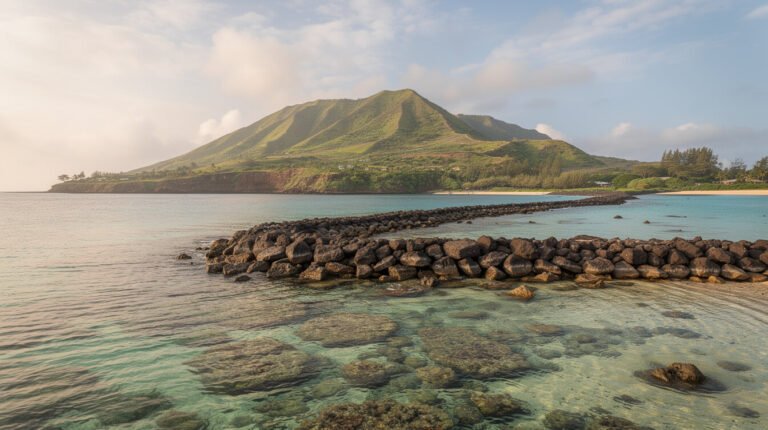
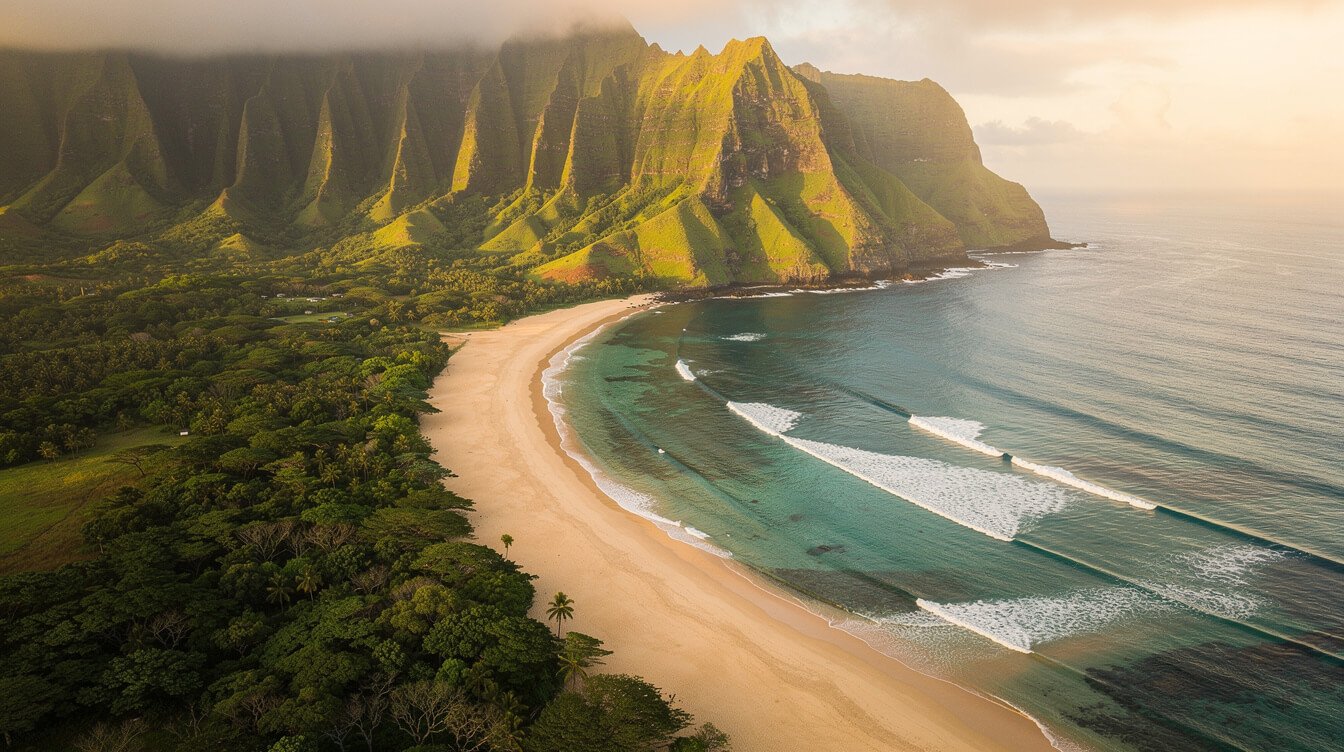
Donkey Beach — officially Paliku Beach, though almost nobody calls it that — sits on the East Side between Kapaʻa and Anahola, right around the 11-mile marker on Kūhiō Highway. The name has nothing to do with the beach itself: decades back, when the Līhuʻe Plantation Company ran sugar cane on the land above, they pastured donkeys and mules in the field up top. The animals are long gone. The name stuck.
Getting there
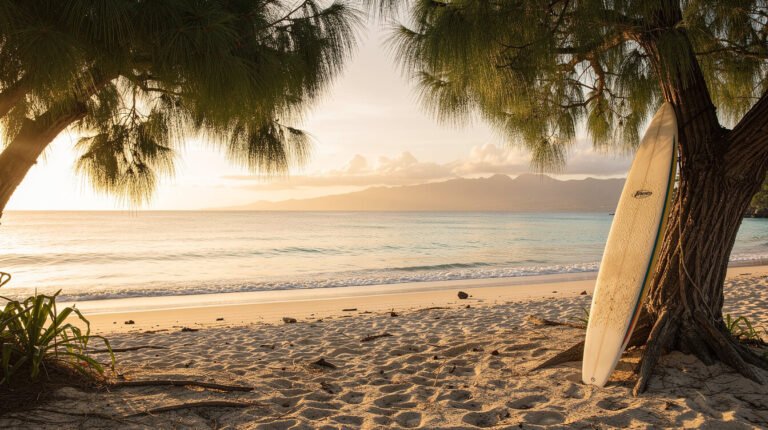
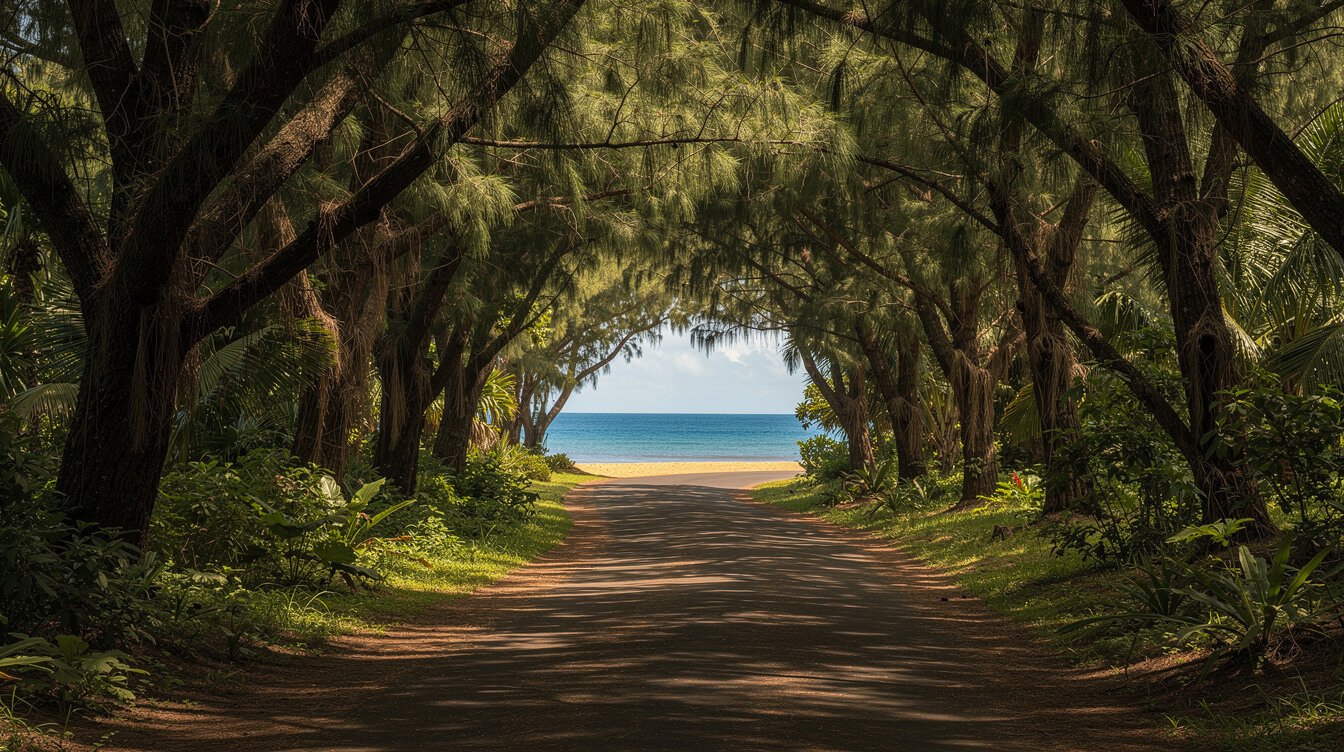
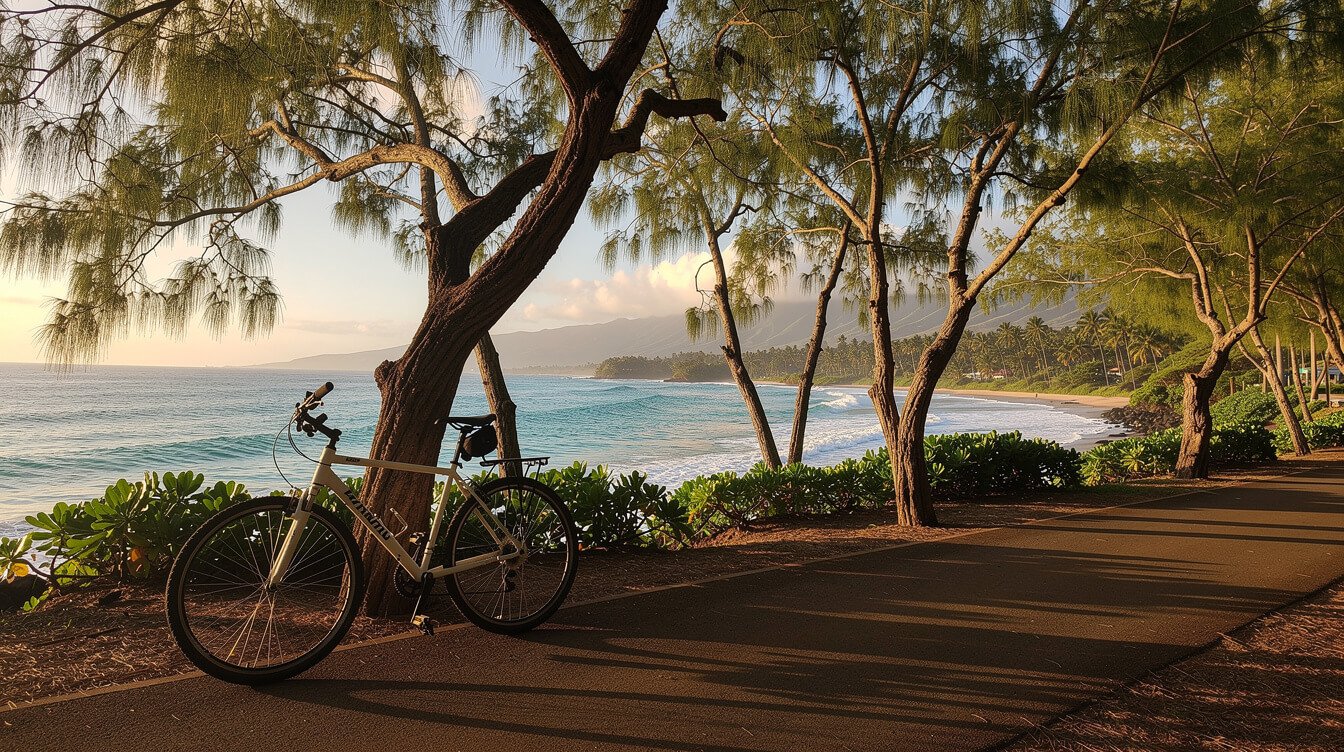
There’s a public parking area with restrooms right off the highway. From there it’s a half-mile walk down a paved path, most of it shaded under a canopy of ironwood trees — genuinely one of the nicer short walks on this side of the island, tree-tunnel light and all. If you’d rather skip the drive, rent a bike in Kapaʻa and take the Ke Ala Hele Makalae coastal path north — it runs right past the beach, with ocean views and, in winter, decent odds of spotting humpbacks offshore.
What you’ll find
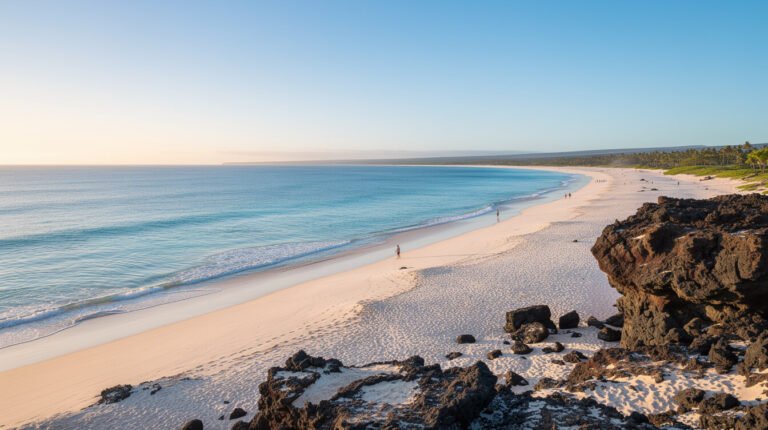
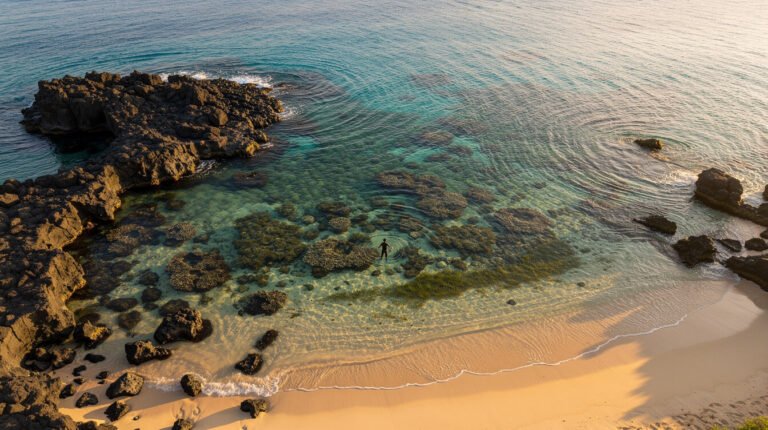
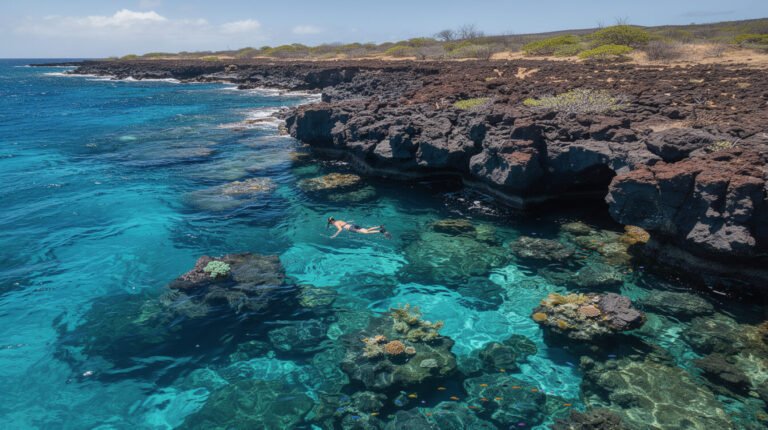
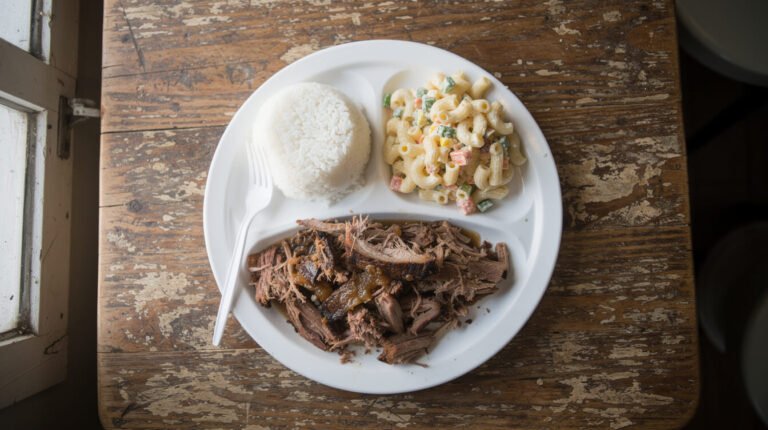
A wide, golden crescent with real shade from the ironwoods — rare on an East Side beach — and a small cove just north over a low hill where snorkeling can be good on calm days. This is not a swimming beach. The shorebreak has a steep drop-off and a strong pull, and it’s a genuine surf spot for people who know what they’re doing, not a place to wade in with the kids. No facilities beyond the parking lot restrooms, so grab food in Kapaʻa before you head out — Al Pastor Tacos and Pita’s Kauai are both solid picks for a beach picnic.
Donkey Beach tops this list because it’s the best balance of the three: an easy, genuinely pretty walk in, real shade, a name-brand surf break to watch even if you’re not paddling out, and a snorkel option next door if the main beach is too rough. It’s the one we’d send a first-timer to.
Go on a weekday morning if you can. The parking lot fills up by mid-morning on weekends once the bike-path crowd and the beach crowd overlap, and the light through the ironwood canopy is best before 10am anyway.
#2: Kauapea, aka Secret Beach — the one that actually lives up to the name
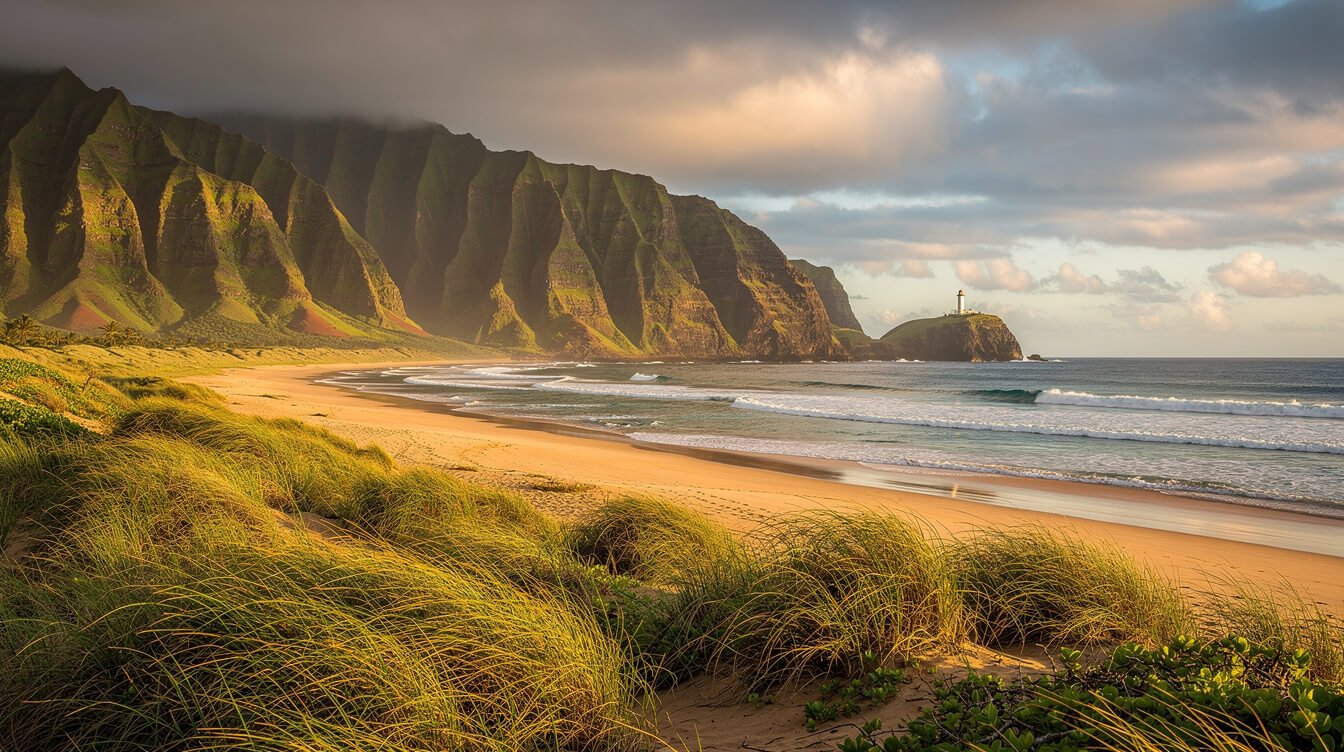
Kauapea, on the North Shore just past Kīlauea, is the beach most visitors mean when they say “Secret Beach” — the nickname stuck harder than the real name ever did. It’s a long stretch of sand below the bluffs near Kīlauea Point, with the lighthouse visible from the shoreline on a clear day, and it’s the most dramatic of the three by a wide margin.
Getting there
This is the one with the real trail. There’s a small dirt pull-off area, no official parking lot, and a steep, unmaintained path down through the ironwoods that turns to slick red mud after rain. Wear real shoes. It’s not a long walk, but it’s not a stroll either, and the climb back up in the heat is the part people underestimate.
What you’ll find
Length and space — Kauapea is a much bigger stretch of sand than Donkey Beach, so even on a busy day you can walk to a quiet stretch. Winter (roughly November through March) is prime humpback-watching season from the bluff above and the beach itself. The trade-off is that the surf here runs stronger and the currents are more serious, with no lifeguard and a shore break that’s punished plenty of overconfident swimmers. This is a beach to admire more than one to play in, especially outside of a flat summer swell.
It ranks #2 instead of #1 because the access is genuinely harder and the water is genuinely riskier — you’re trading Donkey Beach’s easier walk and safer shorebreak for more space, more drama, and a real workout getting back to the car.
#3: Moloaʻa Beach — small, calm, and almost nobody finds it
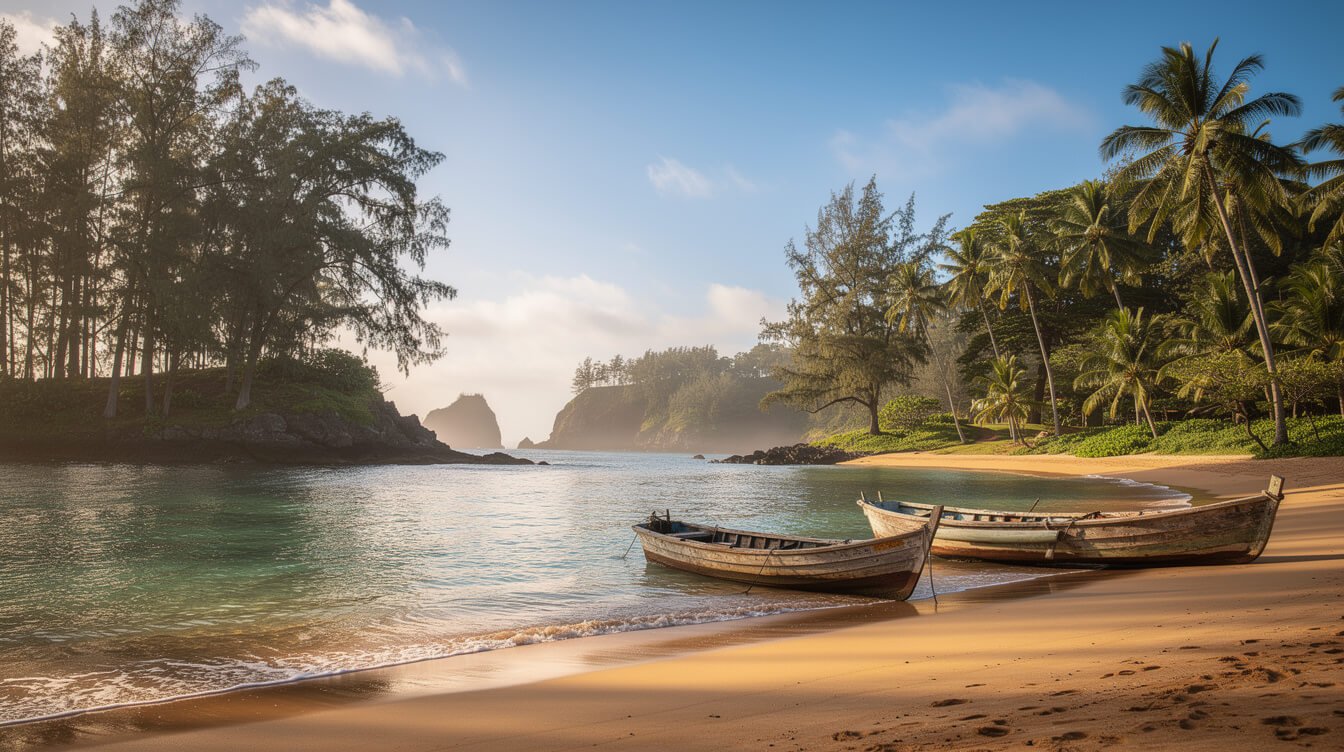
Moloaʻa sits between Kapaʻa and Kīlauea, tucked at the end of a residential road with no beach signage to speak of — you’re following a hunch and a map, not a trailhead. It’s a small crescent bay, a stream mouth on one end, and it’s the quietest of the three on an average day, mostly because it’s genuinely easy to drive right past it.
Getting there
Drive to the end of Moloaʻa Road and look for the narrow public right-of-way between the houses — there’s limited roadside parking, no lot, so get there early or expect to circle. It’s a short, flat walk in, no real trail to speak of.
What you’ll find
A small, sheltered bay that’s generally calmer than Donkey Beach or Kauapea, though currents can still pick up near the stream mouth and rocky points on either end — “calmer” doesn’t mean “safe to ignore.” It’s a good pick for a short visit, a picnic, or an easy morning away from anyone else, rather than a full beach day with a lot to do. Local trivia for the IYKYK crowd: this cove stood in for the castaways’ island in the original Gilligan’s Island footage — blink and you’d miss the connection today, but the shape of the bay gives it away if you know to look.
Moloaʻa lands at #3 because it’s the lowest-effort of the three and the calmest water on a typical day, but it also has the least going on — no surf to watch, no snorkeling to speak of, no dramatic scenery. It’s the right call for a quiet morning, not the beach you build a whole day around.
Safety reality check: currents, access, and when to skip it
None of these three beaches have a lifeguard. That’s the single most important sentence in this article. If something goes wrong, help is a phone call away, not a whistle away, and cell signal on the North Shore trail down to Kauapea is not guaranteed.
- Donkey Beach: steep drop-off, real rip current risk in the main break. The north cove is calmer but not swim-guaranteed — check it visually before you get in.
- Kauapea (Secret Beach): the strongest currents of the three, especially outside summer. Winter swell can be genuinely dangerous even for confident swimmers.
- Moloaʻa: generally the calmest, but currents near the stream mouth and the rocky points on either end of the bay can surprise people who assume “small bay” means “safe.”
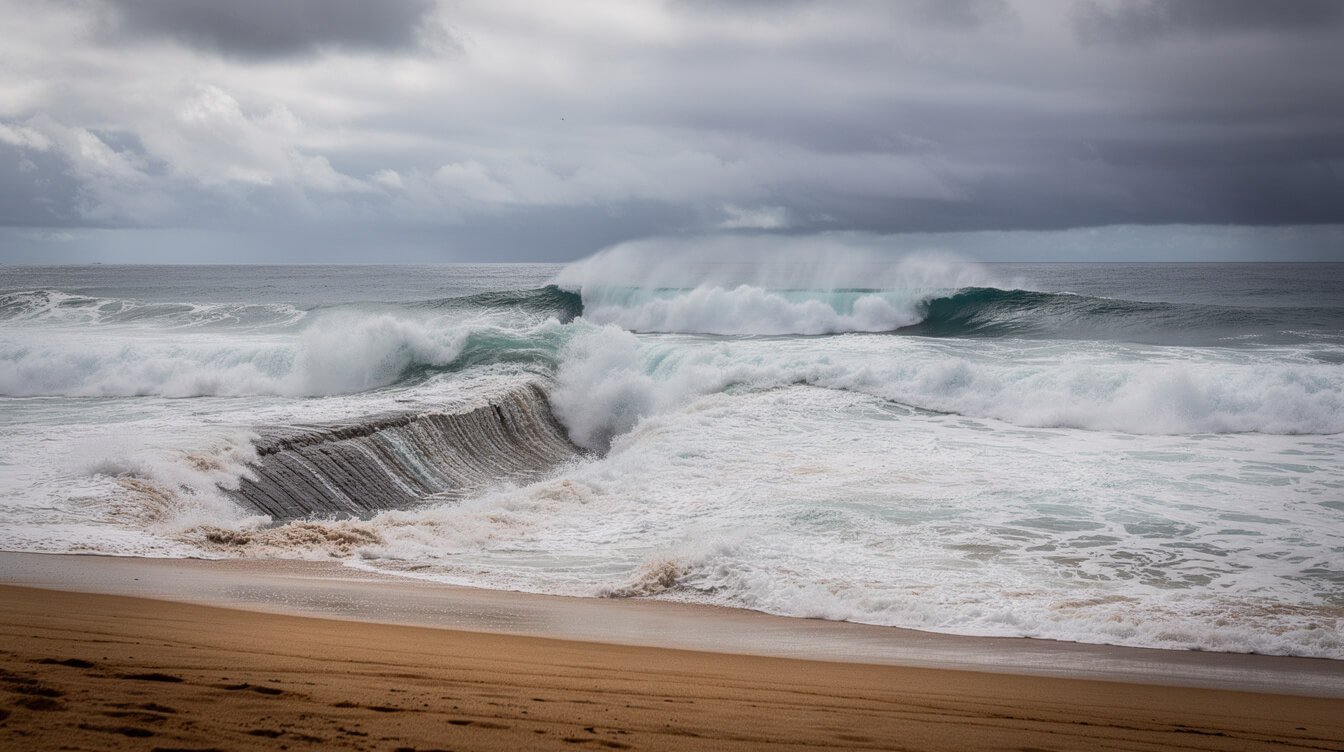
Big surf season on this side of the island generally runs November through March — if the forecast shows a north or northeast swell, treat all three of these as watch-only, not swim beaches, that day. If you’re not sure what the water’s doing, watch it for ten minutes before you decide. If you see whitewater channels pulling straight out to sea, that’s a rip current — stay out of it, and if you get caught in one, swim parallel to shore, not against it. When in doubt, this is a day to stay on the sand, not a day to prove a point.
Getting there without wrecking it for everyone else
All three of these beaches sit next to residential land, and all three have a history of visitors parking wherever they feel like it, cutting new trails through the brush, or leaving trash for someone else to deal with. That’s exactly how a place stops being nice to visit — for locals and for you.
Park only in designated lots or clearly public roadside space, not in front of driveways or on private stretches of road. Stick to the established trail down, even when the “shortcut” looks tempting — those unofficial cut-throughs are how erosion problems start. Pack out everything you pack in, including the stuff that blows away when you’re not looking. And if a spot is genuinely crowded when you arrive, that’s your sign to come back another day, not to squeeze in anyway.
What to bring
- Reef-safe sunscreen — none of these beaches have shops nearby, and Hawaiʻi’s reef-safe sunscreen law applies here same as anywhere else.
- More water than you think you need, especially for the Kauapea trail — there’s nowhere to refill once you’re past the parking area.
- Real shoes for Kauapea specifically. Flip-flops on that trail after rain is how people end up sliding the last twenty feet.
- Cash, small bills, for the food trucks in Kapaʻa if you’re stopping on the way to or from Donkey Beach.
- A trash bag. Not because the county asked — because packing out someone else’s forgotten juice box is just what you do out here.
If you’re the type who wants to look like you belong here and not like you just got off a tour bus, that’s most of it right there — plus maybe not showing up in a shirt that says “Aloha State” in a font no one on this island has ever used. We made the In the 808 We Trust tee for exactly this — real island pride, no tourist-shop cheese, the kind of shirt a local would actually throw on before a beach day.
For the trail-minded, the same respect-the-place logic applies inland — our Best Hikes on Kauai guide covers which trails can handle traffic and which ones genuinely can’t.
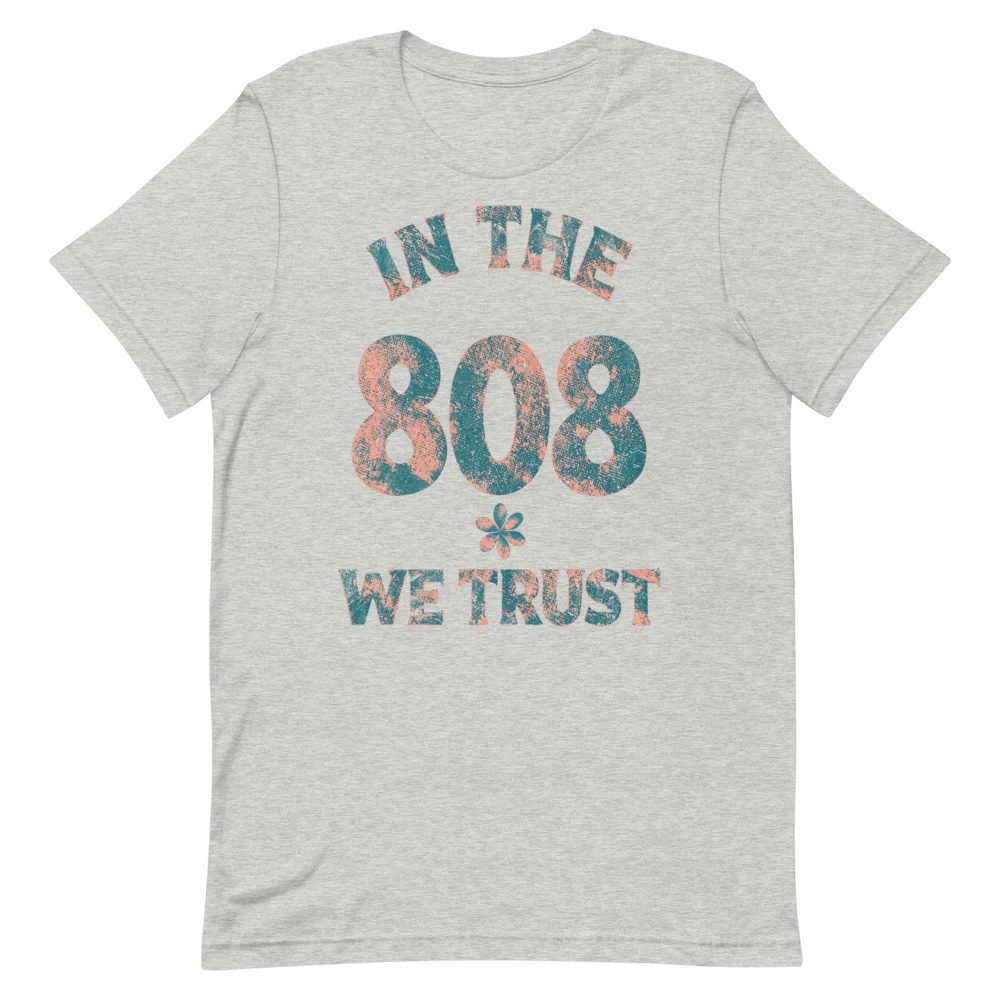
In the 808 we trust
Bold, stacked lettering, zero tiki-font nonsense. The shirt you actually wear to the beach, not the one you buy in the airport on the way out.
Donkey Beach Kauai FAQ
Is Donkey Beach on Kauai good for swimming?
No. The main beach has a steep drop-off and a real rip current risk, and there’s no lifeguard. The small cove just north, over the low hill, is a better bet on calm days if you want to get in the water — but check it visually first, every time. Conditions change day to day.
Can you camp at Donkey Beach?
There’s no camping infrastructure at this access point — no permits issued, no facilities set up for an overnight stay. If you want a legitimate beach camping trip on Kauai, look at the county’s permitted camping parks instead and check current rules before you go.
Are dogs allowed at Donkey Beach?
Leashed dogs are generally fine on the trail down and on the beach itself, but there’s no shade structure, no water source, and it’s a half-mile walk each way in island heat — plan accordingly and bring water for them, not just yourself.
Is Kauapea “Secret Beach” the same place as Donkey Beach?
No, and this mix-up happens constantly. Donkey Beach (Paliku) is on the East Side near Kapaʻa/Anahola. Kauapea, the one everyone calls “Secret Beach,” is a separate beach on the North Shore near Kīlauea, about a 25-minute drive north. Different access, different trail, different currents — don’t show up at one expecting the other.
What’s the closest town to Donkey Beach?
Kapaʻa, about ten to fifteen minutes south by car, has the closest real food and supply options. Anahola, a few minutes north, is smaller but has a general store if you just need water or sunscreen on the way.
Honest verdict: which hidden beach fits your trip
If you only have time for one, make it Donkey Beach — the walk is the easiest of the three, the shade is real, there’s a surf break worth watching even if you’re not in the water, and the snorkel cove next door gives you a backup plan. It’s the one that earns the “hidden beach” reputation without making you work too hard for it.
If you want the postcard version and don’t mind a real trail, Kauapea is worth the mud on your shoes — especially in winter, when you might get whales with your sunset. Go with real shoes, respect the current, and don’t push it if the swell looks big.
And if you just want twenty quiet minutes with your feet in calm water before the rest of the day gets busy, Moloaʻa is the move — no crowd, no fuss, no big production. Just don’t skip checking the water near the stream mouth first.
None of these are actually secret. They’re just the beaches that ask a little more of you than the ones with a parking lot on the sand — and on Kauai, that’s usually where the good ones are.
Talk story with us
One good island thing in your inbox — real spots, real ranked guides, no tourist-brochure fluff. Reply and tell us where you’re from.