Best Snorkeling on Oahu, Ranked by Season Safety (Winter Changes Everything)
Ask ten people for the best snorkeling on Oahu and you’ll get ten lists that all lean on the same three photos of Hanauma Bay taken in July. Nobody mentions the part where half of Oahu’s most-photographed snorkel spots turn into some of its most dangerous surf breaks for a third of the year. Best snorkeling Oahu searches deserve an honest answer, not a highlight reel shot on the one calm week of the year, so here’s the ranking we’d actually give a cousin flying in: what’s safe every month, what’s only safe half the year, and the one etiquette rule almost every visitor breaks without realizing it.
This isn’t a list sorted by prettiest fish. It’s sorted by whether the spot is actually safe the week you’re standing on the sand — because a gorgeous reef that turns into a closeout shorebreak in December doesn’t help you if you’re reading this in January.
How We Ranked the Best Snorkeling Spots on Oahu (Season Safety First)
Most “top Oahu snorkel spots” round-ups rank by water clarity and fish count, full stop. That works fine for a single sunny afternoon in a stock photo, but it leaves out the fact that a big chunk of Oahu’s best-known snorkel spots are on the North Shore — and the North Shore runs on two completely different seasons. We rank by three things, in this order:
- Is it safe right now, this month? — a spot that’s flat and gentle in July can be closed-out, current-ripped, and lifeguard-flagged in December. We call that out by name, not with a vague “check conditions” footnote.
- Is it actually protected, or just calm-looking? — a reef flat inside a breakwater or a fringing reef is a different animal from open coastline that just happens to be glassy today.
- Is the crowd and etiquette situation something you can live with — including, specifically, whether people are going to be doing something they shouldn’t around the honu (sea turtles).
A spot that’s calm and safe fifty-two weeks a year beats a spot that’s merely more famous. That’s the whole logic behind #1 below, and it’s also why Hanauma Bay — genuinely one of the best reef systems in the state — doesn’t open this list. Iconic and easiest-this-week are two different questions, and we’re answering both.
One more thing worth knowing before you plan a day around any of this: Oahu’s leeward (south and west) coast and its north-facing coast run on almost opposite seasonal rhythms. Winter swell hammers the North Shore and largely spares the leeward side; summer tends to flatten the North Shore out while the south shore occasionally picks up its own smaller swell. That’s the entire reason a single “best of Oahu” list has to split by coast and by month instead of handing you one static ranking and calling it done.
#1: Poka’i Bay, Waianae — The Local Pick Almost No Visitor Guide Mentions
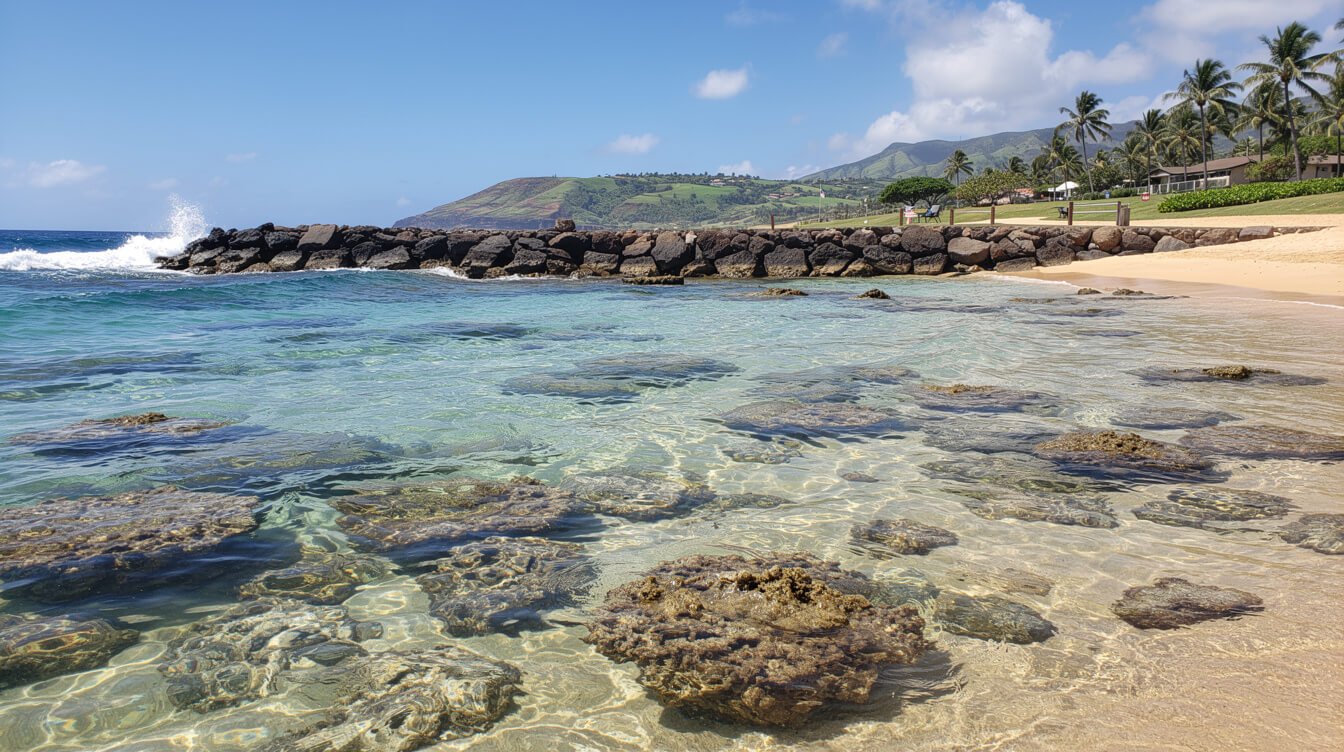
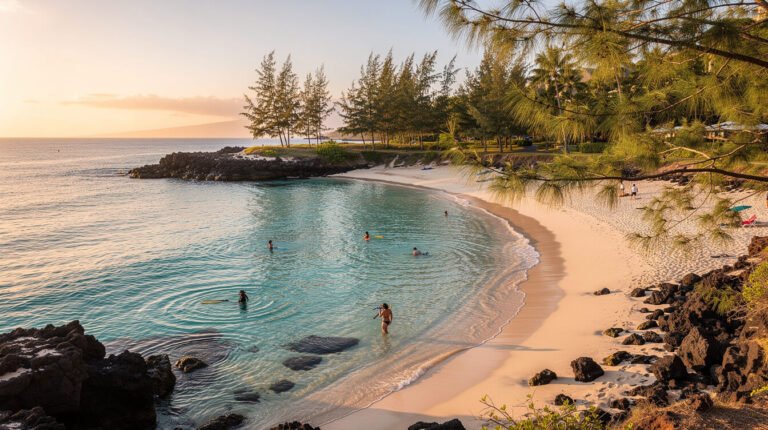
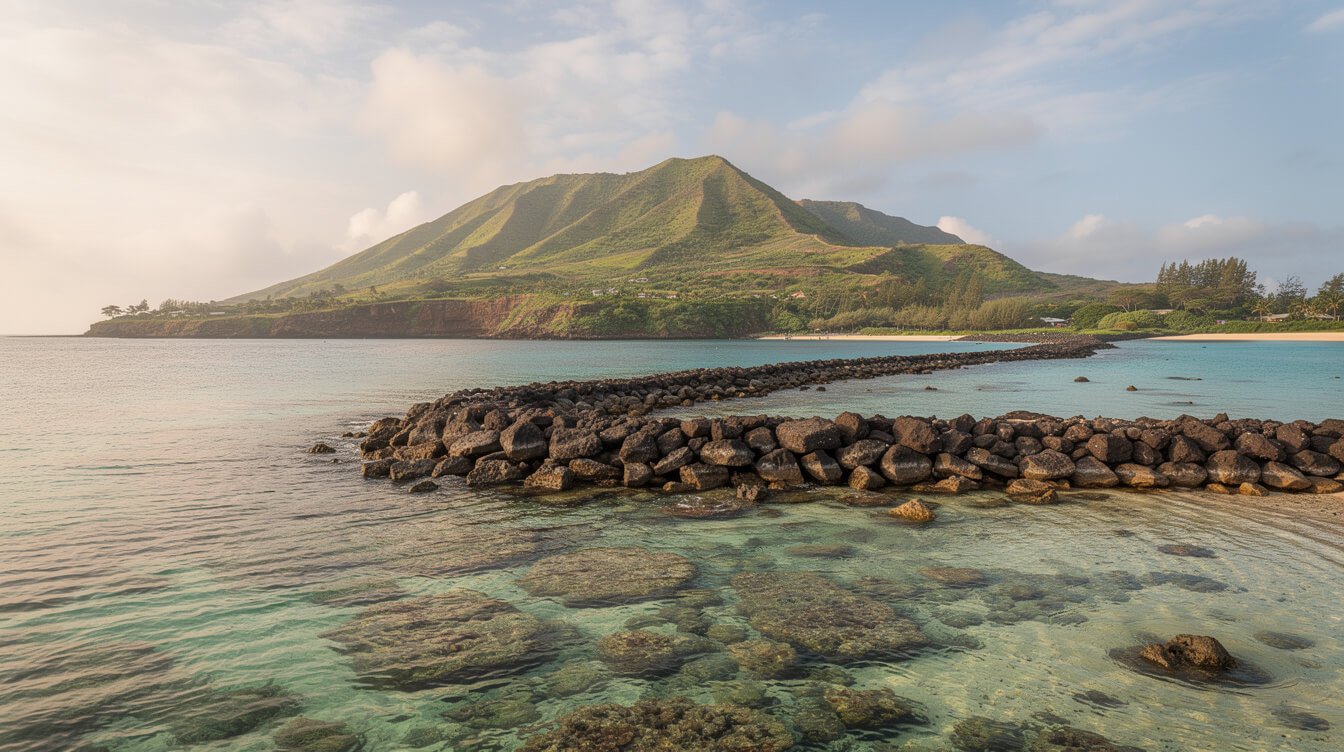
Poka’i Bay sits on Oahu’s leeward coast in Waianae, protected by a low stone breakwater that keeps the water inside genuinely calm nearly every day of the year — no seasonal asterisk required. It’s a community beach park first and a snorkel spot second, which is exactly why it works: no tour buses, no gift shop, no line for parking. Just a reef flat with soft coral, reliable honu sightings near the rocks, and water shallow and protected enough that you can wade out from the sand instead of timing a current. The best coral heads sit in the middle third of the bay, well clear of the canoe and swim lanes, so you don’t need to cross open water to reach the good stuff.
This is the pick we’d actually send a beginner or a family with keiki, and it’s the pick that beats a more famous name for one simple reason: it doesn’t have a bad season. Wind can chop up the outer edge of the bay on rare days, so glance at conditions before you go, but you won’t find yourself standing on the sand wondering if today is one of the six months this spot is off the table. That’s rare enough on this list that it earns the top spot on its own.
Go early — the bay gets a local morning crowd of paddlers, outrigger canoe teams, and swimmers before it gets a tourist crowd at all, and the water is glassiest before the trade winds pick up in the afternoon. There’s a lifeguard tower, restrooms, and free parking right at the beach park, so it’s an easy add to a Waianae Coast day rather than a whole separate excursion.
#2–#4: More Year-Round-Safe Spots (Hanauma Bay, Kahe Point, Ko Olina)
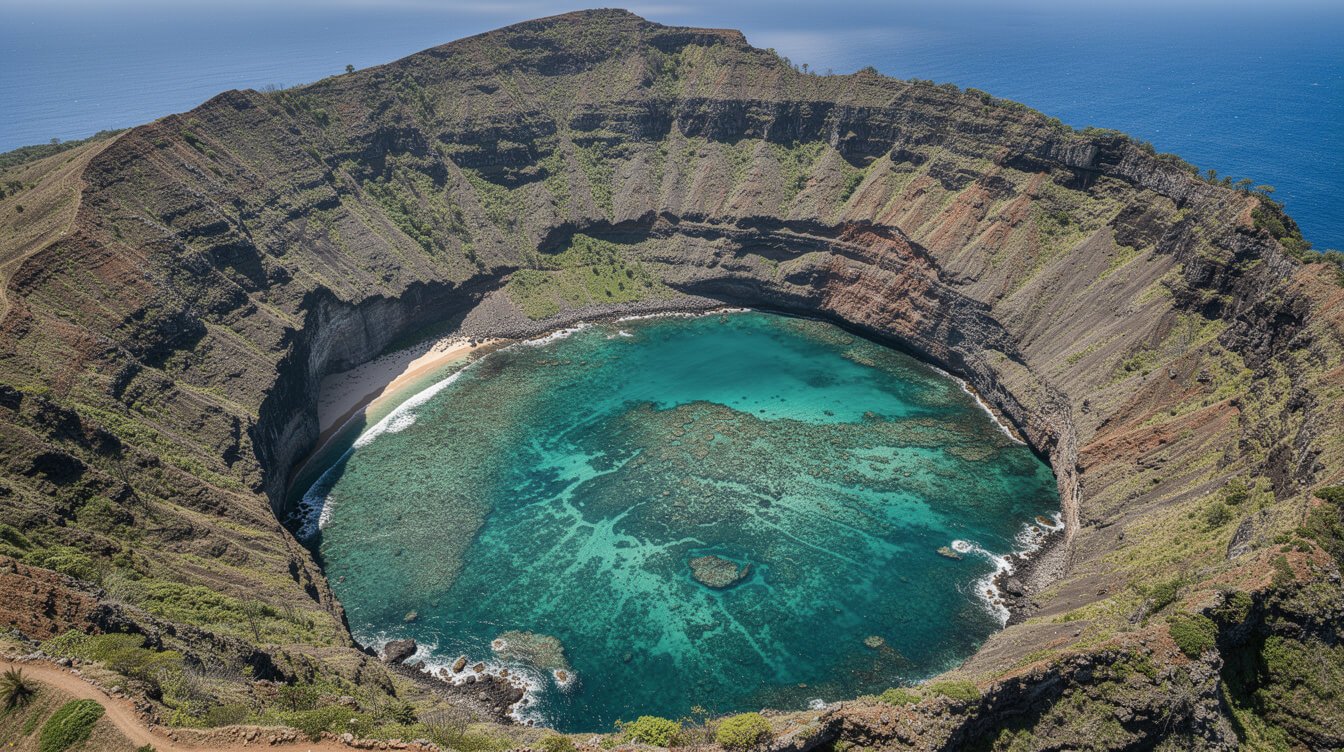
Hanauma Bay Nature Preserve earns #2, not #1, for one reason: the system built to protect it — timed entry reservations, a mandatory education video, a closed day on Tuesdays, a $25 non-resident fee — makes it the most bureaucratic snorkel outing on this list. Once you’re in the water, it’s exactly as good as everyone says: a volcanic crater bay with the densest, most protected reef fish population on the island, calm nearly year-round because the reef itself does the breakwater’s job. Reservations open on a rolling basis and go fast for weekend and holiday slots, so book the moment your travel dates are set rather than the week of. Arrive at your exact window — they do turn away early arrivals — and budget the full orientation video before you’re allowed down to the sand.
Kahe Point (Electric Beach) is the spot regulars don’t advertise loudly, next to the power plant on the leeward coast. The plant’s warm-water outflow draws an unusually reliable population of honu and, on good days, spinner dolphins offshore. It’s calm most of the year, but it’s open coastline rather than a protected cove, so a south swell can stir up surge and visibility here faster than at Poka’i or inside Hanauma’s crater walls — check the surf report, not just the sky. Entry is over rocks rather than sand, so reef shoes or sturdy fins earn their keep here more than anywhere else on this list.
Ko Olina Lagoons are four manmade, rock-walled lagoons fronting the resort strip on the far leeward side, numbered one through four from the Ko Olina Marina end. They’re the most reliably flat water on this entire list — genuinely toddler-safe on a normal day — which makes them the easiest recommendation for young kids, at the cost of being the most crowded and the least “wild” reef experience here. Good fish life along the rock walls, minimal current, and parking that fills up by mid-morning on weekends; lagoons two and three tend to have the calmest water and the least standup-paddleboard traffic if you have a choice.
Winter-Only-Safe: The North Shore Spots That Flip Every November
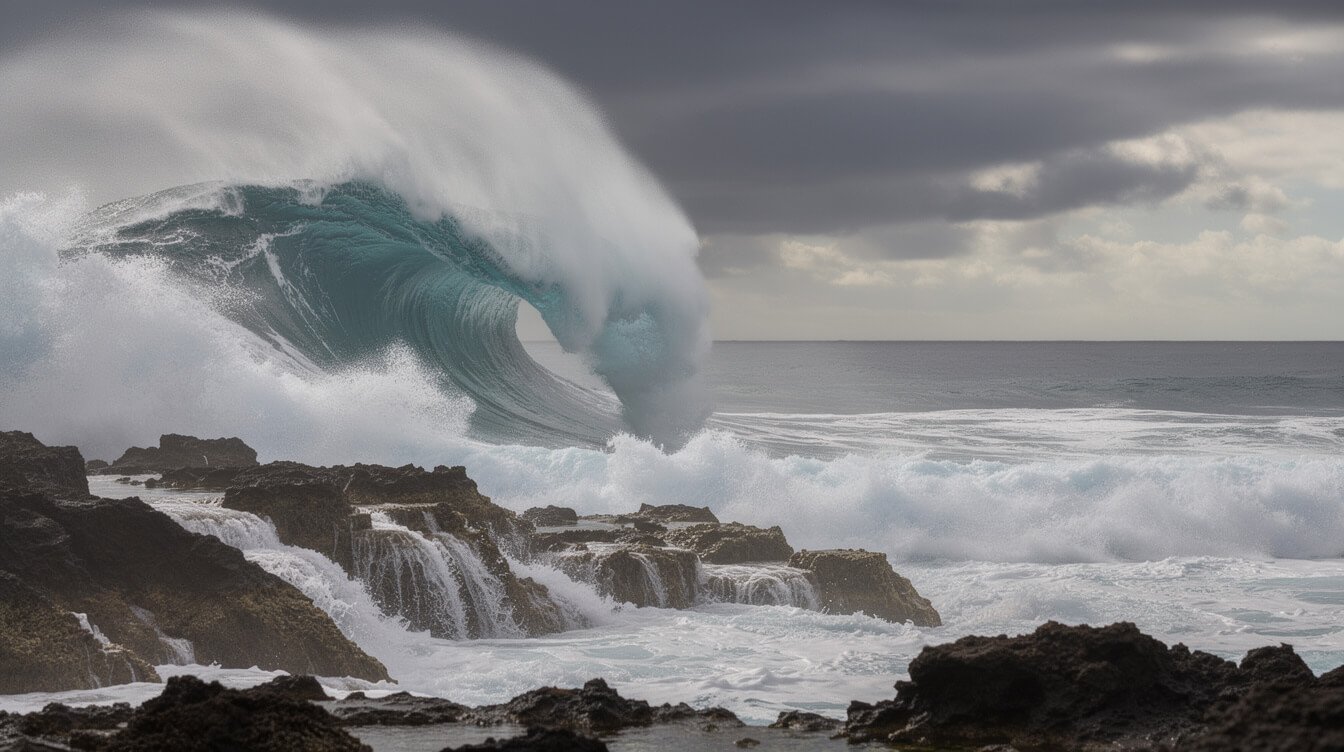
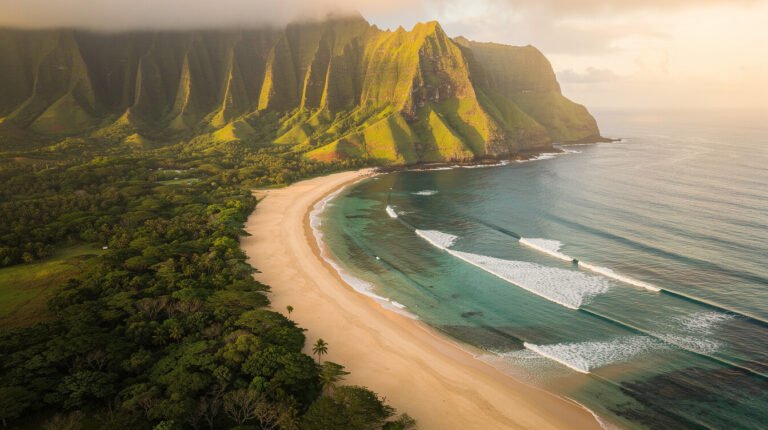
This is the section every generic listicle skips, and it’s the one that actually matters for safety. Sharks Cove, Three Tables, and Waimea Bay are three of the most photographed snorkel spots on Oahu — and every one of those glassy, turquoise photos was almost certainly taken between roughly May and September. From about November through March, the North Shore’s winter swell turns these same coves into some of the most dangerous big-wave zones on the island. Sharks Cove specifically sees serious injuries and drownings almost every winter from people who saw a summer photo and showed up in January expecting the same water.
The rule of thumb locals actually use: if the National Weather Service has a High Surf Advisory or Warning posted for Oahu’s north-facing shores, none of these three spots are a snorkel destination that day — full stop, no exceptions for “it doesn’t look that bad from the parking lot.” In summer, all three are legitimately excellent: Sharks Cove’s lava-rock coves hold some of the clearest water and richest fish life on the island, Three Tables’ flat submerged reef ledges are a gentle, current-free option next door, and Waimea Bay’s sandy-bottomed cove is calm enough for beginners. Same coastline, opposite verdict, depending entirely on the calendar.
City and County of Honolulu lifeguards post physical warning signs and flags at these beaches when conditions turn, and they close specific access points when it’s serious enough — treat a closed sign as final, not as a suggestion to walk around it. If you’re visiting during the shoulder months (October or April), don’t assume either season’s rules apply; check the surf report for that specific day, since the switch doesn’t happen on a fixed date.
Turtle Etiquette on Oahu: The NOAA 10-Foot Rule
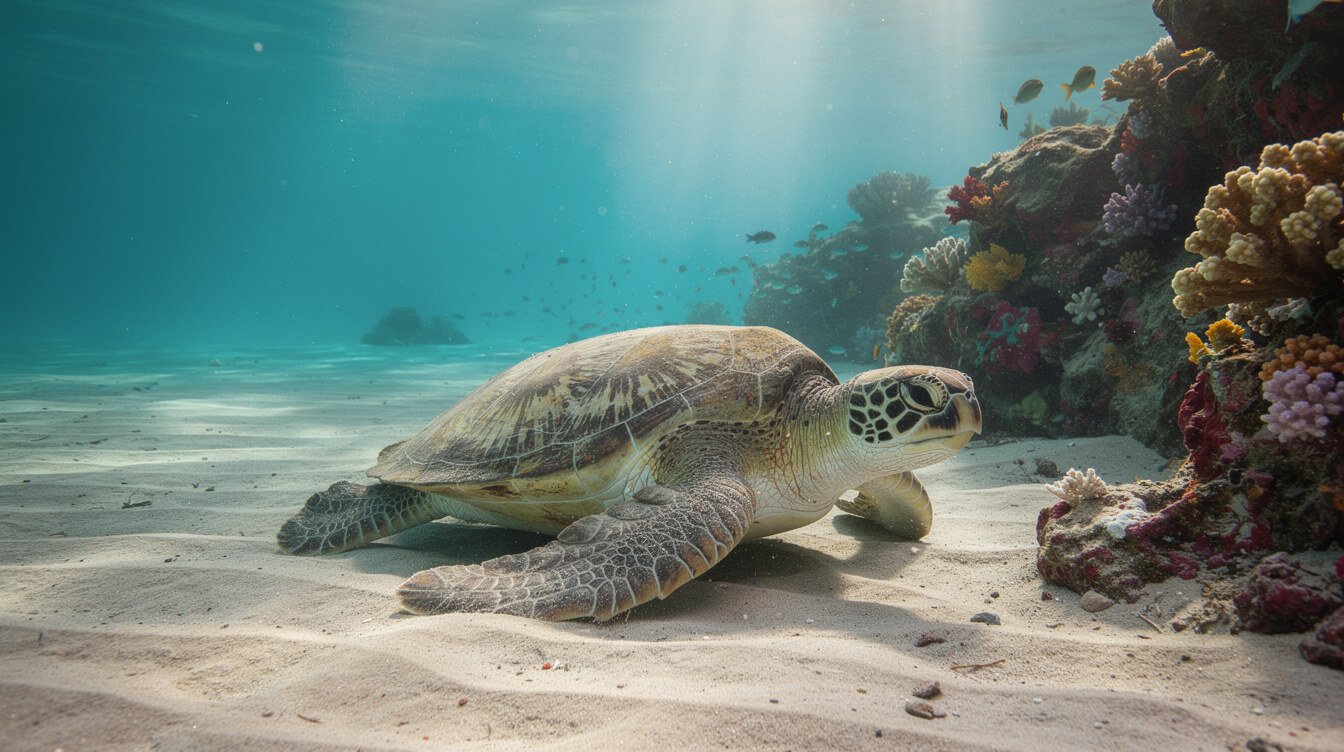
Every spot on this list has honu in the water at some point, and Laniakea (“Turtle Beach”) on the North Shore draws crowds specifically to see them — crowds that break federal law on a near-daily basis without realizing it. Green sea turtles are protected under the Endangered Species Act, and NOAA’s guidance is specific: stay at least 10 feet away, in the water and on the sand, and never touch, chase, or crowd a turtle to get a photo. That distance isn’t a suggestion — it’s enforceable, and rangers do cite people at Laniakea.
Beyond the legal reason, there’s a practical one: honu that get repeatedly cornered by tourists for photos change their resting and basking behavior, which is bad for a species that’s still recovering. The good etiquette move is simple and doesn’t cost you the sighting — let the turtle set the distance, use your camera’s zoom instead of your feet, and if a turtle is hauled out resting on the sand, treat that patch of beach as its space, not a photo backdrop. You’ll get a better, calmer photo anyway; a turtle that isn’t stressed doesn’t bolt mid-shot. The same 10-foot rule applies to Hawaiian monk seals if you happen to spot one hauled out on the sand — rarer, but the same law and the same distance.
Gear and Conditions: How to Actually Check Before You Go
The single most useful habit on this whole list: check the surf report the morning of, not the night before, and definitely not the week before you booked the trip. Oahu’s National Weather Service marine forecast and any local surf report will tell you the swell direction and height for that day — a north or northwest swell is the one that flips the North Shore spots above, so if you see either of those listed with any real size, cross the North Shore off for that day and head to a leeward pick instead.
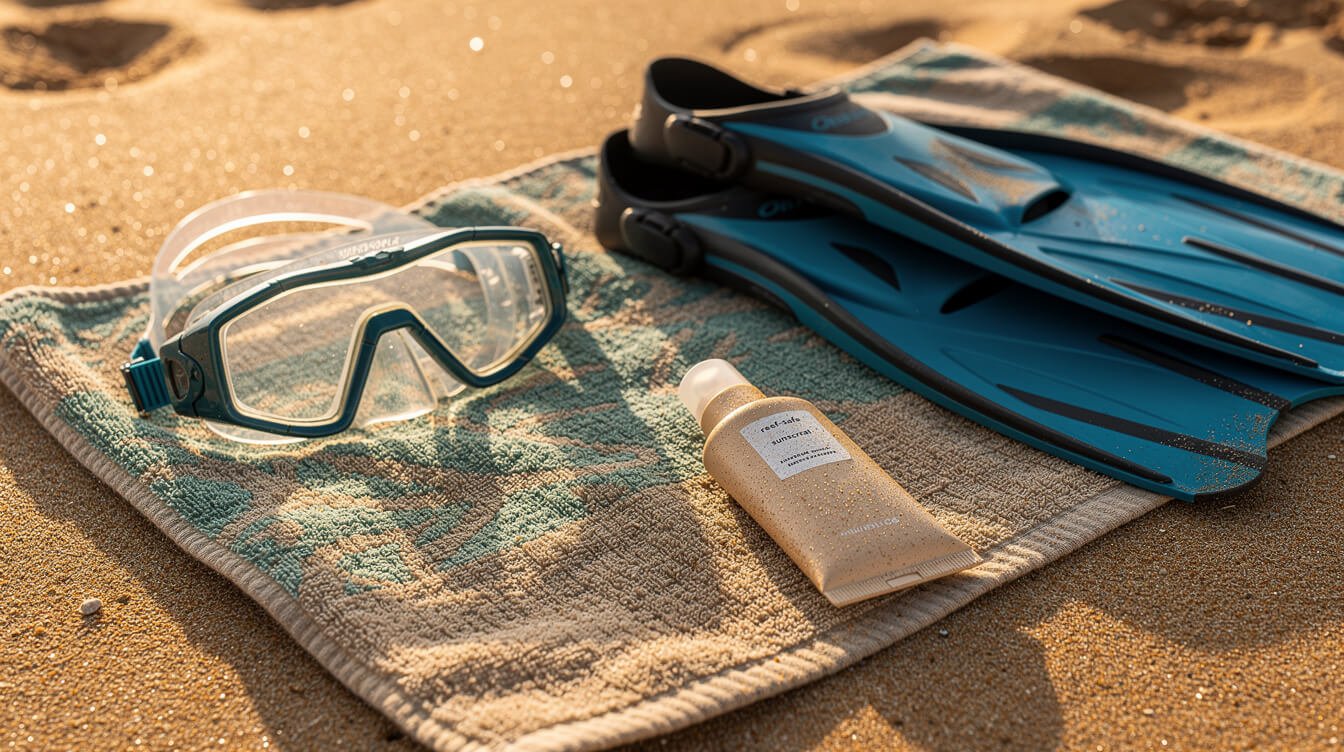
On gear: bring your own mask and snorkel if you can — rental gear fogs and leaks more than people expect, and a mask that actually seals is the difference between a great first snorkel and a frustrating one. Use reef-safe, mineral-based sunscreen; the older chemical sunscreens are genuinely harmful to coral and are restricted at some sites. A rash guard does more work than sunscreen reapplication and keeps you from needing to touch the reef to steady yourself. And the most basic rule that still gets ignored constantly: never stand on coral, even to rest. It’s alive, it’s slow-growing, and one careless step undoes years of growth.
If you’re new to any of this, ask a lifeguard before you get in — Oahu’s lifeguards know that day’s conditions at that specific spot better than any app, and they’d rather answer a question than pull you out later.
Two more habits worth building before you ever touch the water: always snorkel with a buddy, and know what a rip current looks like before you need to. A rip shows up as a visibly calmer, sandier-looking channel between areas of breaking waves — it feels like the ocean pulling you out rather than pushing you around. If you’re ever caught in one, don’t fight it straight back to shore; swim parallel to the beach until you’re free of the pull, then angle in. It’s a short list of habits, and it’s the difference between a story you tell at dinner and one you don’t get to tell at all.
FAQ: Best Snorkeling Oahu, Answered
What’s the best snorkeling on Oahu in winter?
Stick to the leeward side: Poka’i Bay, Ko Olina Lagoons, or Hanauma Bay (when you can get a reservation). The North Shore spots — Sharks Cove, Three Tables, Waimea Bay — are the ones to skip roughly November through March.
What’s the best beginner or kid-friendly snorkel spot on Oahu?
Ko Olina Lagoons for the calmest, most current-free water, or Poka’i Bay if you want something a little more local and a lot less crowded, with similarly gentle conditions.
Where’s the best spot to see sea turtles while snorkeling on Oahu?
Kahe Point (Electric Beach) has the most reliable honu sightings on this list. Laniakea is famous for turtles too, but it’s a beach-viewing spot more than a snorkel destination, and the 10-foot rule above applies there more than anywhere else on the island.
Do I need a reservation to snorkel at Hanauma Bay?
Yes. Hanauma Bay Nature Preserve requires an online timed-entry reservation for non-residents, charges an entrance fee, and is closed on Tuesdays. Book ahead — slots go fast.
Is it safe to snorkel at Sharks Cove?
Yes, in summer, when it’s genuinely one of the best spots on Oahu. In winter, when north swell arrives, it becomes dangerous surf terrain and is not a snorkel spot at all. Check the surf report for the day, not the season in general.
What should I do if I see someone getting too close to a turtle?
You’re not obligated to intervene, but you can quietly step back yourself and set the example — and if it’s a serious violation (someone touching or chasing a turtle), Hawaii’s DLNR and NOAA both take reports.
Should I rent snorkel gear on Oahu or bring my own?
Bring your own mask if you can — fit matters more than anything else for a leak-free seal, and a mask you’ve already tested at home beats a rental you’re trying for the first time in the water. Fins and a snorkel are fine to rent locally if you’re short on luggage space.
Final Thoughts: Check the Season, Respect the Honu, Enjoy the Water
Oahu’s snorkeling doesn’t need to be oversold — a protected bay in Waianae that locals actually use, a crater reef so good it needs a reservation system, a North Shore that’s paradise in July and dangerous in January, and honu that deserve ten feet of space whether you’re above the water or in it. The only thing that ruins an Oahu snorkel day is showing up at the wrong spot in the wrong season, or crowding a turtle for a photo you didn’t need to take that close. Get the season and the etiquette right, and every spot on this list delivers exactly what it promises. And if this is your first trip and you only have time for one stop, make it the leeward side — Poka’i Bay or Ko Olina will still be calm on the one day you actually have free, no calendar-checking required.
Already planning the rest of the trip? We’ve also ranked the best snorkeling on Maui, the best scuba diving in Hawaii, and the best beaches on Oahu, if you’re island-hopping.
And if you want something to wear after you towel off — take a look through the shop.