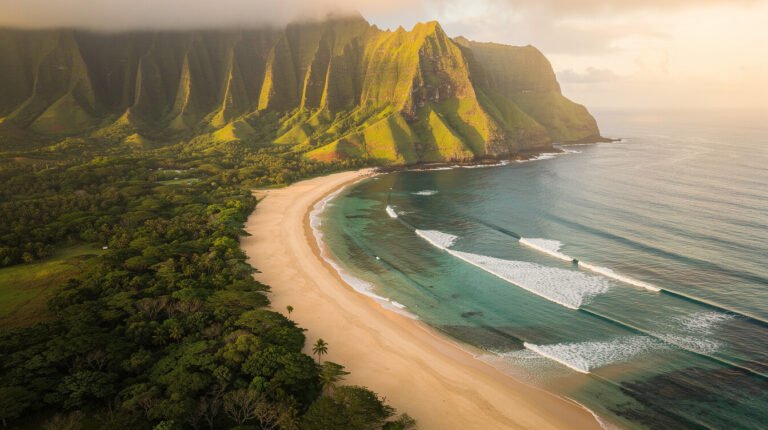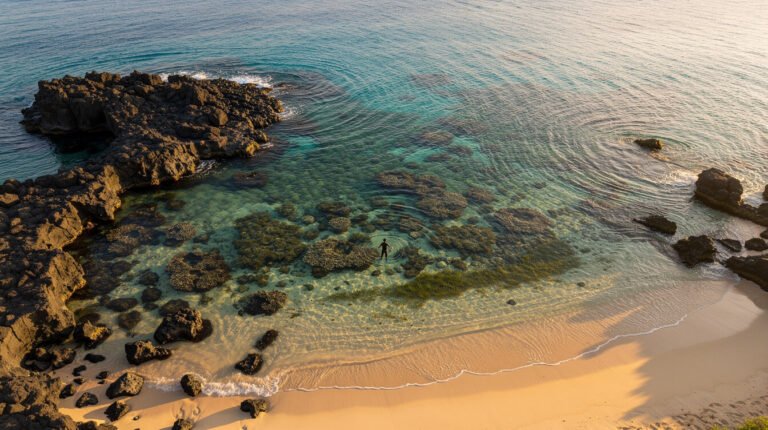
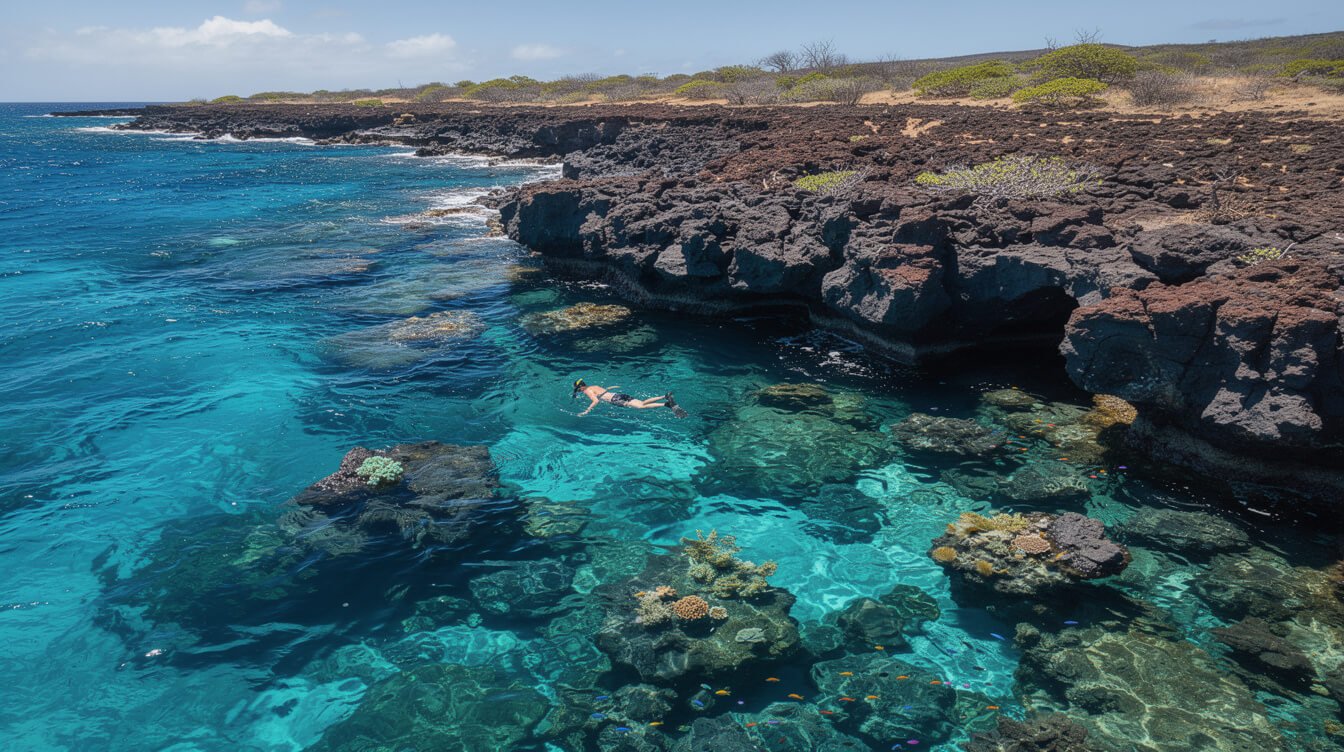
Best Snorkeling on the Big Island: A Local’s Honest Ranking
If you ask five people where the best snorkel spot on the Big Island is, you’ll get five confident, contradicting answers — and at least two of them will send you to a spot better suited for a tour boat brochure than an actual afternoon in the water. The Big Island isn’t Maui or Oahu. Most of the good stuff sits along the dry, lava-rock Kona-Kohala coast, entry is rougher than sand, and the difference between a great day and a bad one is usually about fifteen minutes of homework nobody does.
This is that homework, done honestly. We ranked by what actually matters here — shore access without a boat, fish and honu you’ll genuinely see (not “might, if you’re lucky”), and how bad the lava rock entry really is — not by which spot photographs best for someone who flew in Tuesday and leaves Friday. If you already know the Big Island a little, some of this will confirm what you suspected. If you don’t, it’ll save you a scraped shin.
How We Rank Big Island Snorkel Spots
Four things move a spot up or down this list, in order:
- Shore access reality. Can you actually walk in, or does the listing quietly assume you booked a boat? A lot of “top Big Island snorkel spots” posts blend the two without saying so.
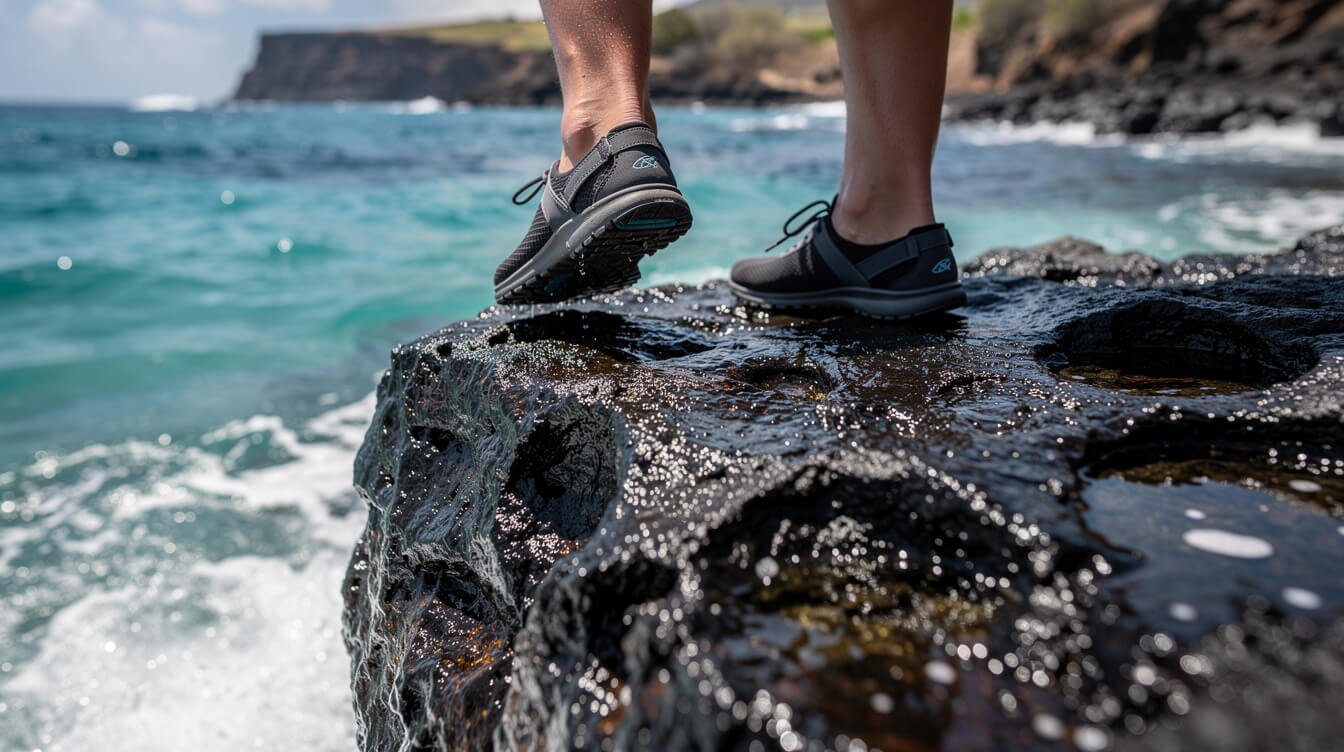
- Entry difficulty. This coast is young lava — sharp, uneven, sometimes slick with algae. A spot with incredible fish life but a brutal entry drops in rank if it’ll wreck a first-timer’s day.
- What you’ll actually see. Not “marine life abounds” — specific, honest odds. Honu (green sea turtles) here are close to a sure thing at a couple of spots and a coin flip at others.
- Crowd and parking honesty. Free public spots get slammed by 9am. We tell you which ones and when to actually go, and where the lot fills before the tour vans even show up.
One more thing before the ranking: this is the best snorkeling on the Big Island from someone who lives with this coastline, not a highlight reel. A couple of famous names on other lists don’t make the cut here, and we say why. We’re also not counting anything you can only reach by four-wheel-drive down an unmarked lava road — if a spot needs a rental car disclaimer that voids your insurance, it’s not going on a “best of” list in good conscience.
#1: Kahalu’u Beach Park — The One Locals Actually Send Visitors To
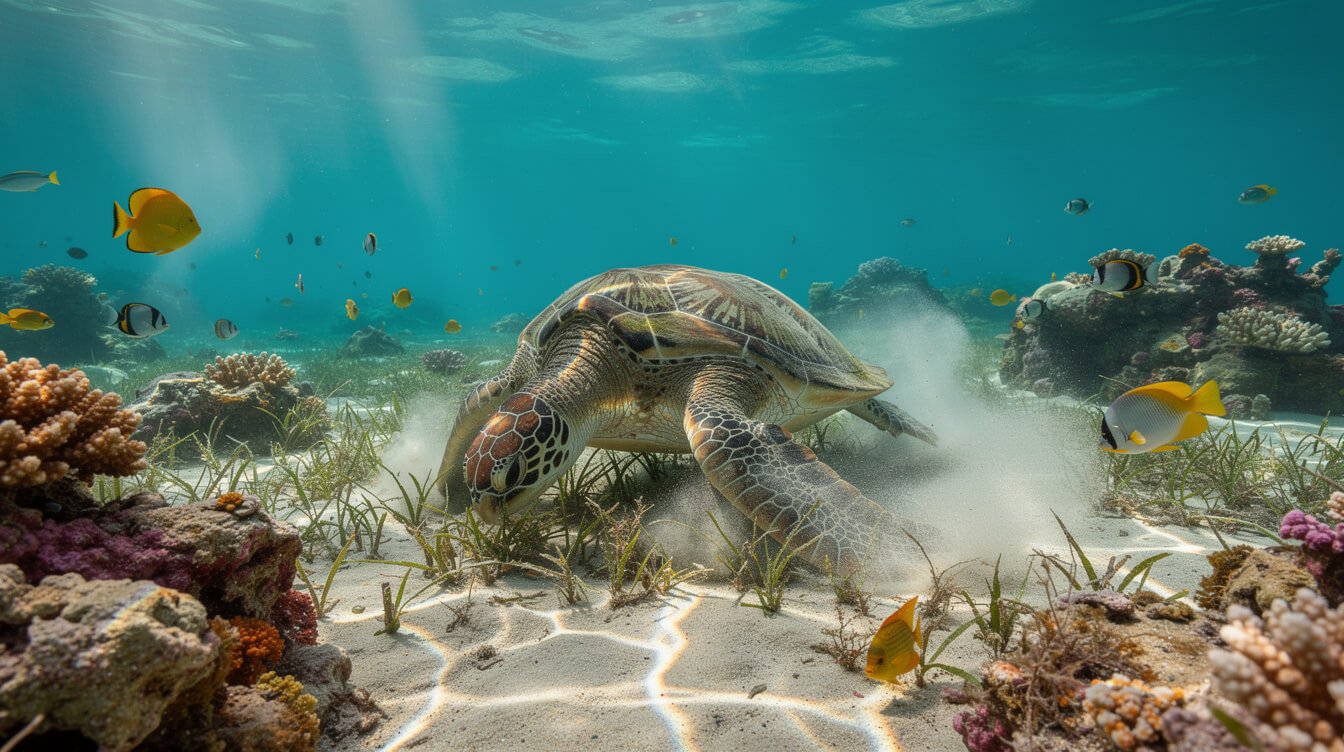
Kahalu’u wins because it does the one thing every other spot on this list struggles with: it’s beginner-safe and genuinely good. Free parking (fills up, but it’s there), a shallow reef flat you can wade into from sand, lifeguards on duty, and honu that graze the reef so consistently that Kahalu’u has its own Reef Teach volunteers stationed on weekends just to keep people the legal 10 feet back from the turtles.
The reef here has taken damage over the years — this isn’t the most pristine coral on the island — but the fish density and the turtle odds are close to guaranteed, which is exactly what makes it #1 for anyone who isn’t already a confident ocean swimmer. Go before 9am on a weekday, park across the street at the church lot if the beach lot is full (it’s allowed, and it’s how locals do it), and give yourself an hour before the tour buses start rolling in. By 10am on a Saturday it’s a different beach entirely, wall-to-wall boogie boards and tour groups.
Best for: first-timers, kids, anyone who wants honu without a boat. Skip if: you’ve snorkeled Hawaii before and want to see healthier coral — head to #2 instead.
#2: Honaunau Bay (“Two Step”) — Advanced Water, the Best Reef on This List
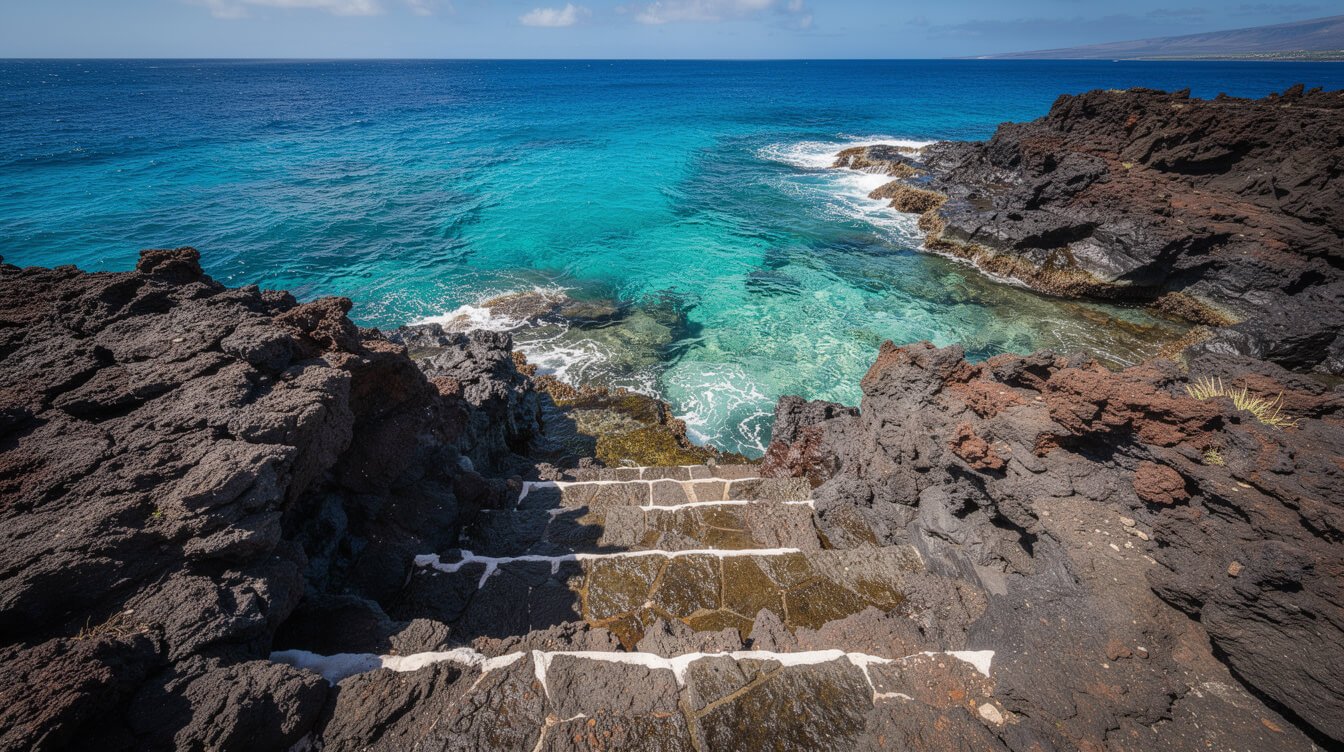
Two Step is named for the natural lava steps that make entry almost civilized by Big Island standards — rare enough here that it’s worth the name. Past the steps, the coral is noticeably healthier than Kahalu’u, the water is usually clearer, and you’re snorkeling right along the edge of Pu’uhonua o Honaunau, a National Historical Park. That proximity means the bay itself is treated with real care — no glass-bottom boat traffic, no development crowding the shoreline, and a small, unpaved parking area that fills up fast because everybody who knows this coast knows exactly what it is.
This is a step up in difficulty, though. There’s no sand entry — you’re climbing down lava rock into open water, and there’s often a small swell doing its own thing at the steps. Reef shoes aren’t optional here; they’re the difference between a good story and a bad one. Once you’re in, expect eagle rays, occasional dolphin pods offshore, and reef fish variety that outclasses almost everywhere else on this coast. Early morning, before the wind picks up and chops the surface, is when the visibility is genuinely excellent rather than just decent.
Best for: confident swimmers who want the best reef health on the island. Skip if: you’re not comfortable with a rock entry or you’re snorkeling solo — bring a buddy here.
#3: Kealakekua Bay — History, a Marine Sanctuary, and the Kayak-Permit Reality
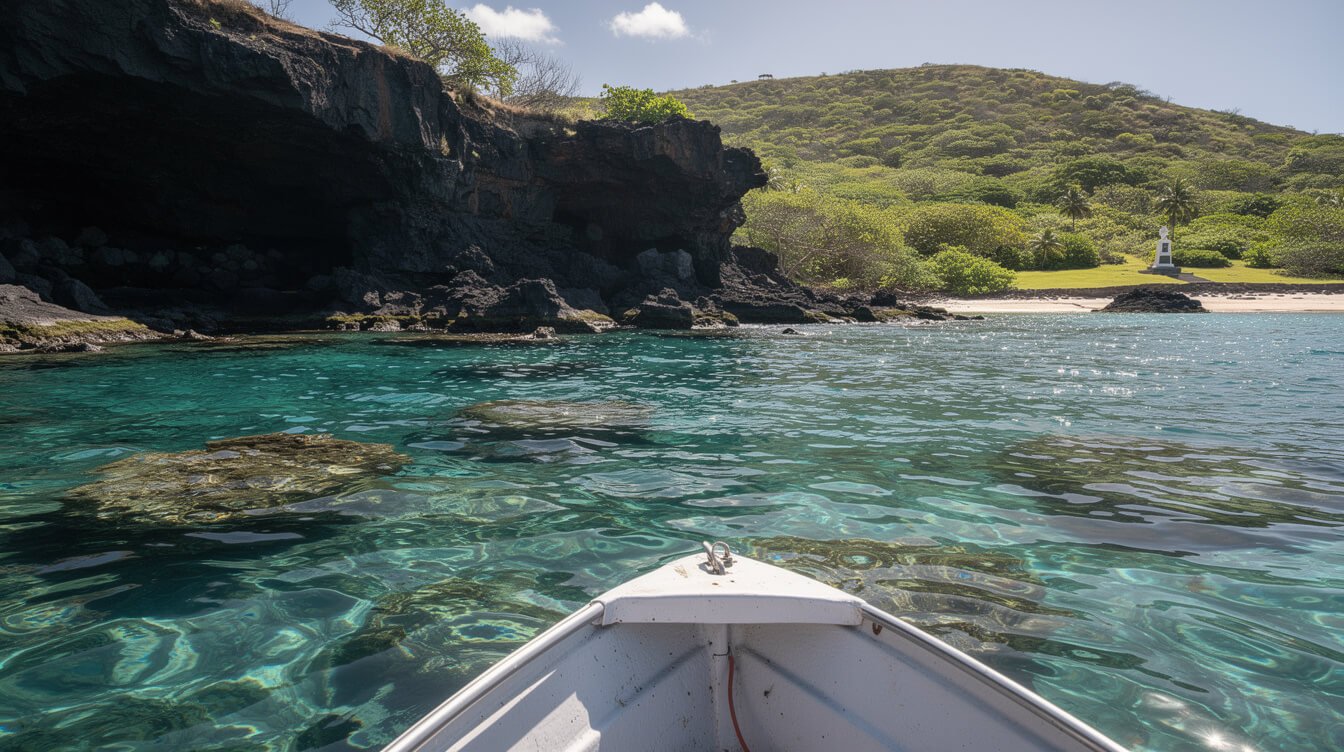
Kealakekua is a State Marine Life Conservation District, which is the practical reason the water here is some of the clearest on the island — no fishing pressure, protected since the 1960s. It’s also where the Captain Cook Monument sits, on the far shore near Ka’awaloa, and where you’ll find Hikiau Heiau at Nāpo’opo’o — a shoreline temple site that’s real, visible, and off-limits to enter or climb on. If your route passes near it, look, don’t land, and treat it the way you’d treat any historic site: with distance and respect, not as a photo prop.
Here’s what most “top 5” lists skip: you can no longer just paddle a kayak straight across to the Monument side. The state now requires a permit for kayaks and paddleboards launching from certain points, largely because the bay was getting loved to death. Most people now book a boat tour or a guided kayak outfit that already holds the permit — factor that into your day, because showing up with your own kayak and no permit is a wasted morning. Once you’re in the water, though, the payoff is real: this is consistently the clearest, calmest water on this whole list, and the fish life along the cliff edges near the Monument rivals anywhere in the state.
Best for: the clearest water on this list and a genuine slice of Hawaii history. Skip if: you don’t want to deal with permits or a tour booking — Two Step gets you similar reef quality with a lot less logistics.
Boat Tours vs. Shore Entries — and Where the Manta Ray Hype Actually Fits
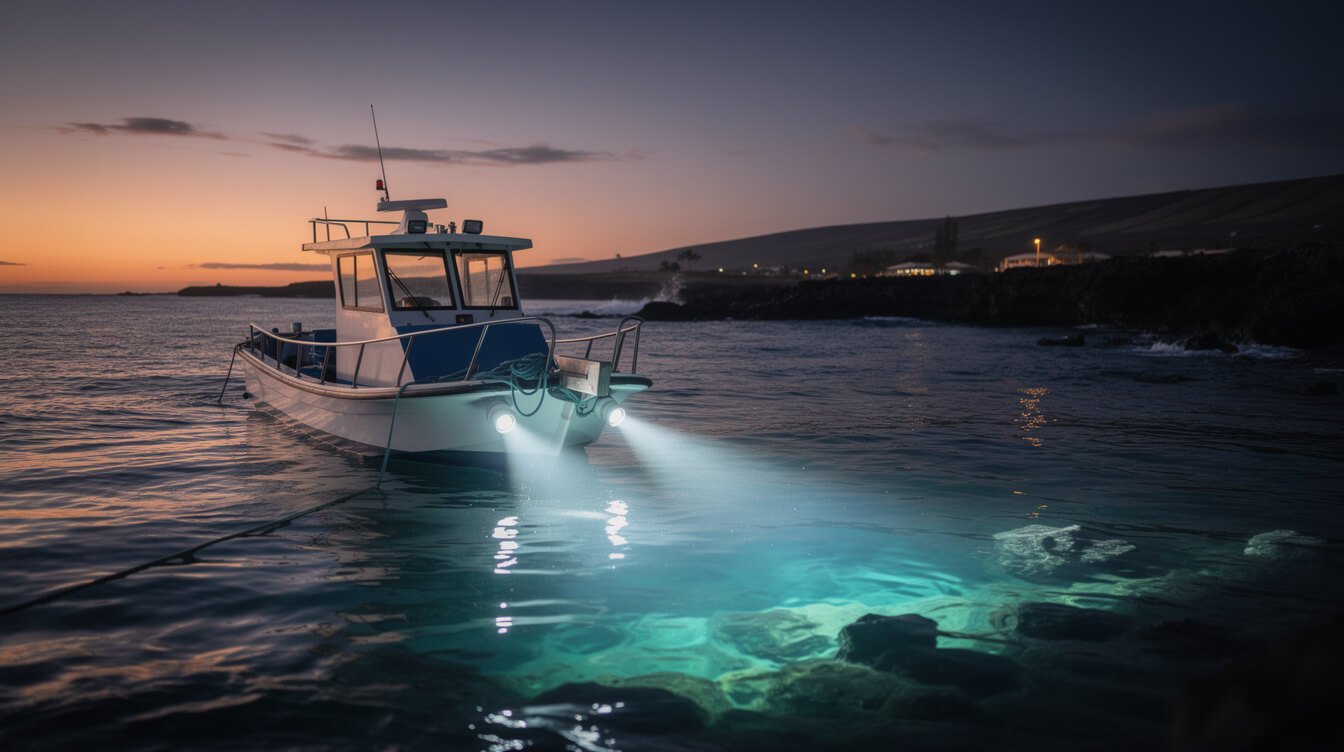
The Big Island’s most famous “snorkel spot” isn’t really a shore spot at all: the manta ray night snorkel off Keauhou / Kona. It’s real — Pacific manta rays genuinely feed here at night, drawn by dive lights that light up plankton — and it’s worth doing once. But it’s a boat tour, not a stop you find on your own, and it deserves an honest note: some operators run too many boats and too many lights over the same reef, and the rays have shown behavior changes from the crowding over the years.
If you go, pick a smaller operator that limits boats per site and briefs you on staying still and keeping hands in — the rays are doing you the favor by showing up, not the other way around. A hard rule that should be obvious but isn’t always followed: never touch a manta, never chase one, and never use a flash camera near their eyes. If a company’s marketing photo shows a guest reaching out to touch a ray, that’s a company to skip, not a highlight to hope for.
For our
Yellowfin Tuna Mahi Mahi Woodblock Aloha Shirt
crowd — the ones who’d rather wear the fish than just photograph it — this is the trip that earns the shirt.
Worth saying plainly: a boat tour and a shore entry are different experiences, not a better-or-worse ranking. A boat gets you to reef that’s harder to reach on foot and skips the lava rock walk-in entirely, which matters if mobility or confidence in the water is a real factor. A shore entry costs nothing but gas and gives you control over your own timing. Neither one makes you a “real” snorkeler or a tourist — pick based on what actually fits your day, not what sounds more adventurous in the retelling.
Honorable mention: Old Airport Beach Park, the backup when Kahalu’u is slammed
When Kahalu’u’s lot is full and the tour buses have claimed the shoreline, this is where locals quietly go instead. Old Airport sits on the old Kona airport runway grounds just north of downtown Kailua-Kona — a long stretch of tide pools and small coves rather than one obvious beach, which is exactly why it stays less crowded. The fish life won’t match Two Step and the entries are still lava rock, but it’s free, it’s rarely packed even on a Saturday, and there’s enough shoreline that you can walk until you find a pocket of calm water that suits your comfort level. Bring the same reef shoes you’d wear to Two Step — this isn’t a sand-entry spot either.
Real Safety: Lava Rock, Currents, and What Nobody Tells Tourists
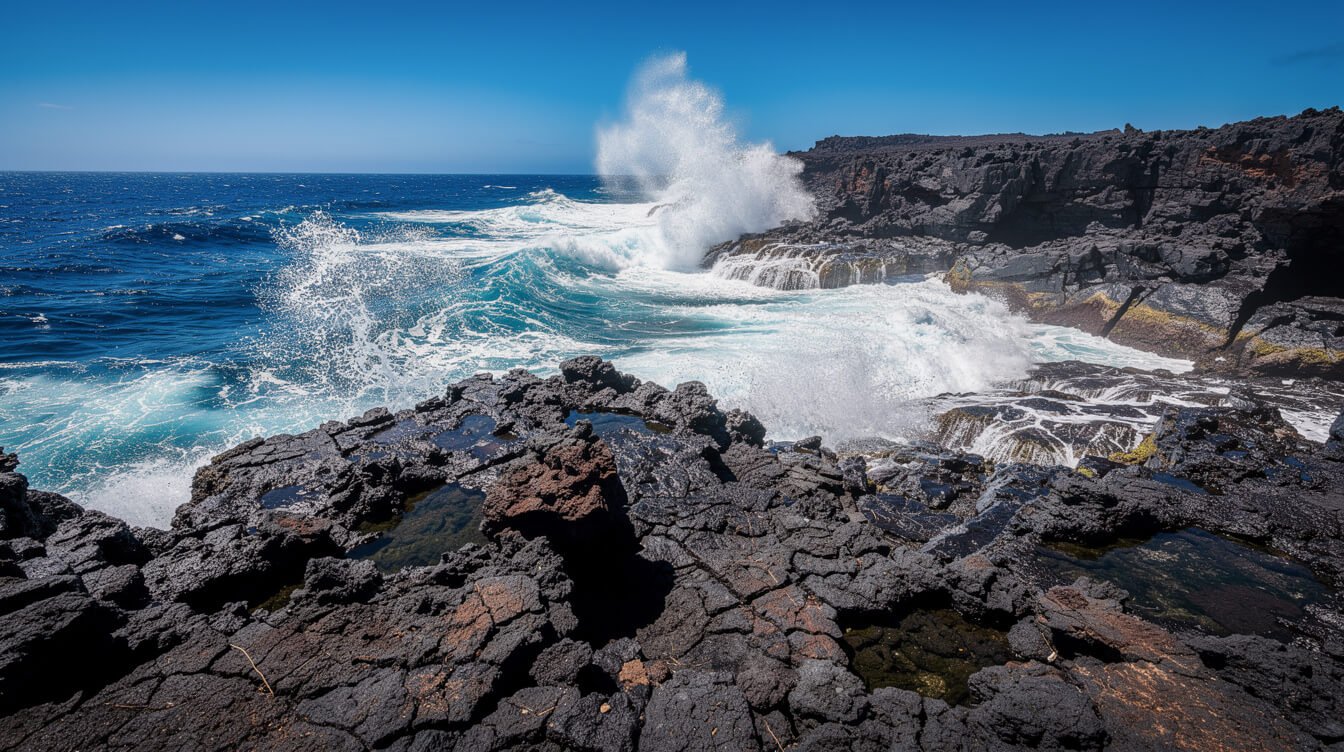
This is the section every other list buries in a “tips” footnote. It shouldn’t be a footnote.
Lava rock entries are a different skill than sand
Sand forgives you. Lava rock doesn’t. Wet lava rock with a thin coat of algae is one of the more common ways people get hurt on this coast — not from the ocean, from the walk in. Reef shoes with real tread, not sandals, and take entries slow. If a wave set is rolling in, wait it out on the rock before stepping down, and always have a free hand rather than carrying your gear on your entry.
Currents move differently on this coast
The Kona side is generally calmer than the North Shore of Oahu or the Hana coast of Maui, but bays like Honaunau and Kealakekua can develop a surface current that pulls along the shoreline, not out to sea — you’ll drift further from your entry point than you think without noticing. Check conditions before you go, and always swim back with something left in the tank.
Reef-safe sunscreen is the law here, not a suggestion
Hawaii state law bans the sale of sunscreen containing oxybenzone and octinoxate, both of which damage coral. Buy reef-safe before you land, or better, wear a rash guard and skip the chemicals near the reef entirely.
The 10-foot honu rule is federal, not optional
Green sea turtles are protected under the Endangered Species Act. Ten feet is the legal distance — not a courtesy, a rule NOAA actively enforces on this coast, especially at Kahalu’u where volunteers are watching.
What to actually bring
A mask that fits your face (spit-and-rinse test before you buy, not after you’re at the beach), reef shoes over fins for anywhere with a rock entry, and a rash guard that does double duty as sun protection and jellyfish buffer. A dry bag for your car key is worth more than it sounds — Big Island parking lots are not the place to leave valuables in view.
Frequently Asked Questions About Big Island Snorkeling
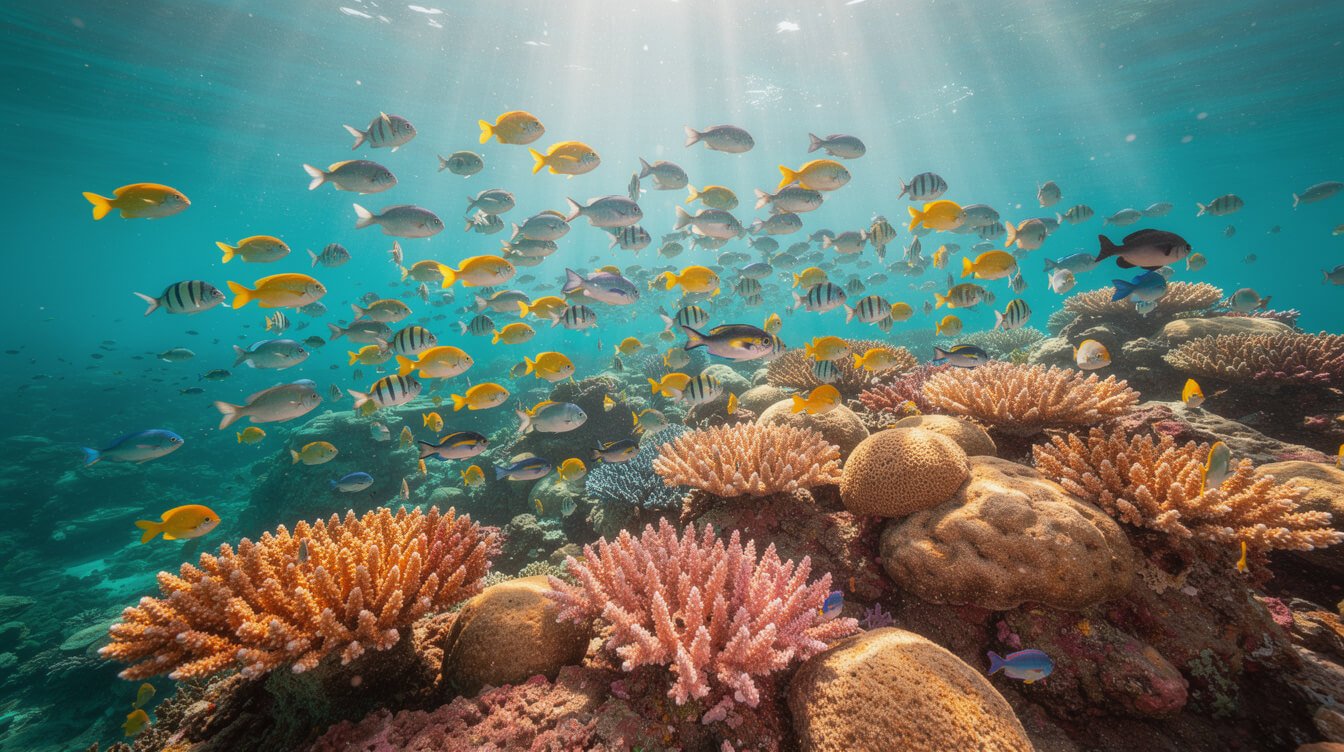
What’s the best time of year for Big Island snorkeling?
Summer (May through September) generally brings calmer water on the Kona side, though this coast is more forgiving year-round than Oahu’s North Shore or Maui’s Hana side. Winter can still bring occasional south swells or Kona storms that stir up visibility for a few days — check the marine forecast the morning of, not the week before.
Where should I go if I’m snorkeling with young kids?
Kahalu’u, without question. Shallow reef flat, lifeguards, sand entry, and the honu are the reward for minimal effort — the same reasons it’s #1 on this list.
Do I need a guide or tour to snorkel the Big Island?
No, for Kahalu’u and Two Step — both are legitimate shore spots you can do on your own with basic gear. Kealakekua and the manta ray night snorkel are the two exceptions where a boat or permitted outfit genuinely makes the day easier and, in Kealakekua’s case, is close to required now.
What does a manta ray night snorkel actually cost, and is it worth it?
Expect somewhere in the range of most Big Island evening ocean tours — pricing varies by operator and season, so treat any exact number you read as a snapshot, not a promise, and confirm directly with the outfit before booking. What’s worth paying for either way is a smaller operator with a real briefing and a capped number of guests per light — that’s the difference between a genuinely good encounter and a crowded one.
Are there box jellyfish on the Big Island?
Yes, and it’s worth actually tracking rather than guessing. Box jellyfish tend to arrive along Hawaii’s leeward shores roughly 8 to 10 days after each full moon, in noticeably higher numbers than the rest of the month. It’s not exclusive to Kona, but it’s real enough that a rash guard and a quick check of the current jellyfish calendar before you go is a smarter move than hoping.
Is the snorkeling better on the Big Island than Maui or Oahu?
Different, not simply better or worse. If you’ve done our Maui snorkeling guide or our Oahu snorkeling guide, the honest comparison is: the Big Island’s coral health at spots like Two Step rivals anywhere in the state, but the lava rock entries make it a step up in difficulty from the sandy beach entries you’ll find on Oahu or Maui. If you’re deciding between a Big Island trip and a return visit to our Big Island beaches guide, the snorkel spots above overlap with a few of those same beaches — Kahalu’u shows up on both lists for good reason.
Final Thoughts
The Big Island rewards people who do fifteen minutes of homework before they get in the water — and punishes the ones who don’t with a scraped shin on lava rock or a wasted trip to Kealakekua without a permit. Start at Kahalu’u if you’re new to this coast, graduate to Two Step once you trust your footing, save Kealakekua for a day you’ve booked the permit or the tour, and treat the manta rays and the history at Kealakekua with the same respect you’d want shown to your own backyard. That’s the actual local move here — not the highlight reel, the honest one.
Snorkeled somewhere on this coast that should’ve made the list? We’re always ranking. And if you’re building an ocean-life aloha shirt collection to match the trip, browse the shop for a few more that’ll fit right in.