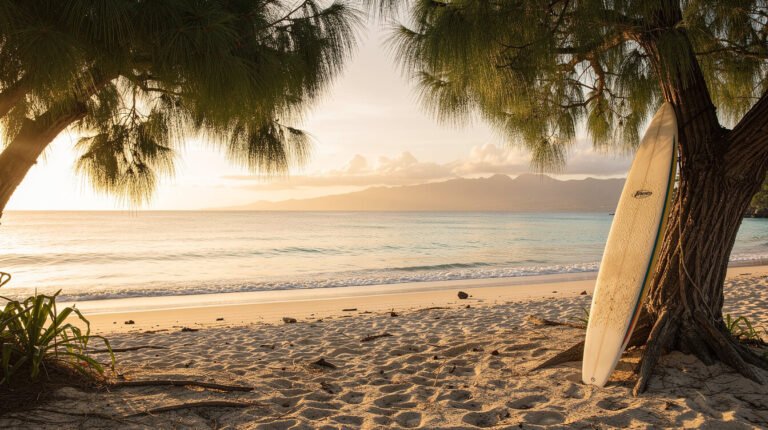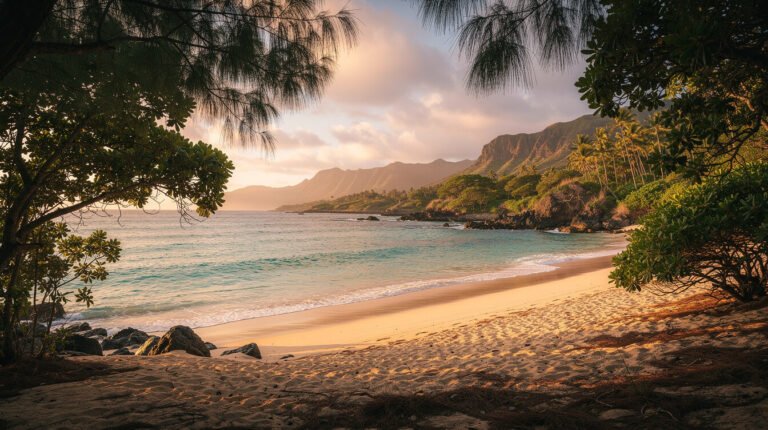
Best Beaches in Kauai, Ranked by Season Safety (Not Just Pretty Photos)
Every Kauaʻi beach guide on the internet gives you the same postcard shots and the same vague “swim with caution” footnote. None of them tell you the one fact that actually matters if you’re picking a beach here: Kauaʻi has the highest ocean drowning rate of any Hawaiian island, and which beach is safe changes with the season. This ranking of the best beaches in Kauai leads with that — real, per-beach, per-season honesty — then the scenery, not the other way around.
Part of that risk is just geography. Kauaʻi is the oldest of the main Hawaiian Islands, which sounds like trivia until you realize what it means for the coastline: five million extra years of erosion, deeper channels between reef sections, and fewer of the shallow, reef-locked bays that make swimming forgiving on younger islands like Oʻahu or the Big Island’s leeward coast. That’s exactly why a real ranking of Kauaʻi’s beaches has to weigh the water itself, not just the view — a lesson every longtime resident learns from a lifeguard, a friend, or a close call, usually before their first summer here is over.
We’re ranking eight beaches, from the reliable everyday swim spot that takes the top slot to the North Shore stunners that need an asterisk half the year. We’ll also tell you which beaches to skip if you’re not an experienced ocean swimmer, when each beach actually empties out, and answer the questions people search for most: best for kids, best for swimming, best for snorkeling.
How We Ranked the Best Beaches in Kauai
Three factors, in this order:
- Season-adjusted water safety first. A beach that’s a flat, swimmable lake in July and a life-threatening shorebreak in January doesn’t get ranked as if it’s safe year-round. We tell you which season we’re talking about, every time.
- Access reality second. A permit system, a 4WD-only road, or a walk that eats an hour of your day changes whether a beach is actually usable on your trip, not just pretty in a photo.
- Scenery and what-you-can-actually-do-there third. Once safety and access are accounted for, we rank on the real experience — swimming, snorkeling, tide pools, quiet, or the view.
That order is deliberate. Kauaʻi is the oldest and most eroded of the main islands, which means fewer reefs have grown in to buffer the open ocean the way they have on Oʻahu or the Big Island’s leeward side. The upside is some of the most dramatic coastline in the state. The downside is that “beautiful” and “safe to swim” are two different questions here, more than on any other island — and most guides answer only the first one.
The #1 Pick — and Why It Beats #2
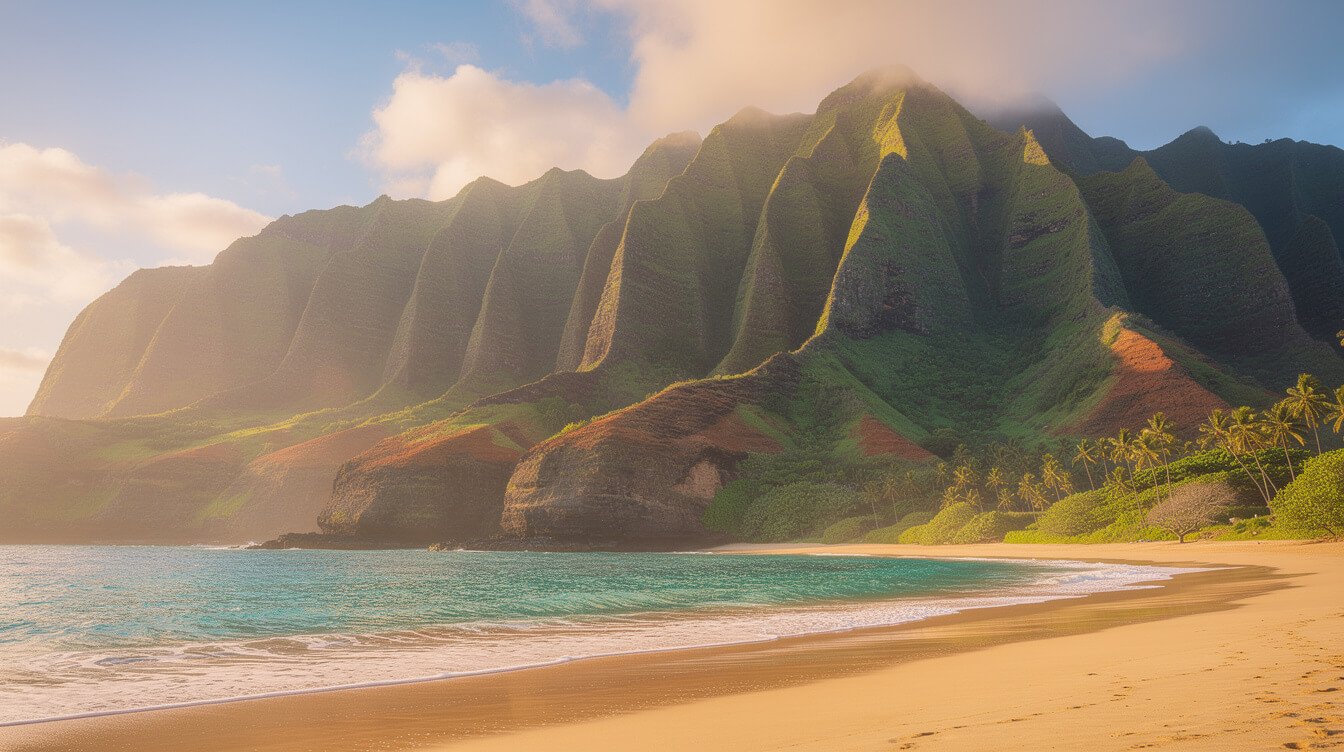
1. Poʻipū Beach Park
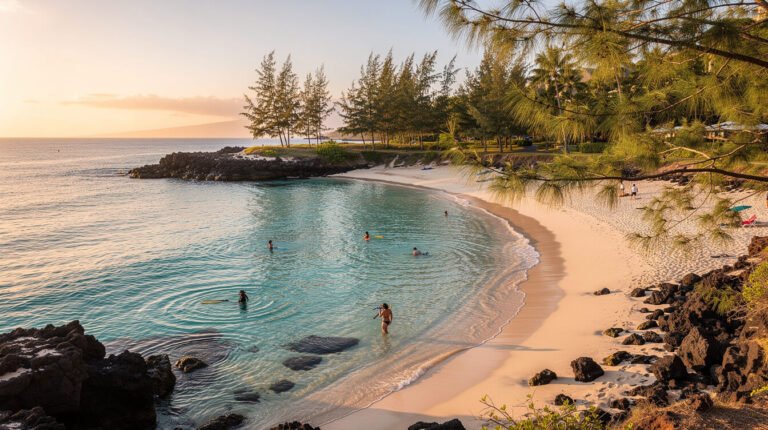
Poʻipū wins because it does the one thing almost no other great-looking Kauaʻi beach does: it’s swimmable nearly year-round, not just in a specific weather window. A sand spit splits the park into two coves — one calm and shallow enough that it’s basically a keiki (kids’) wading pool, the other open enough for real swimming and beginner snorkeling. Two lifeguard towers cover it seven days a week. Hawaiian monk seals haul out here often enough that volunteers keep rope and cones on hand specifically for it; if you see a roped-off patch of sand near the lifeguard tower with a seal sleeping in it, that’s normal, not an emergency — stay back the legally required 100 feet and let it nap.
There’s no reservation system, no permit, no unpaved road. You park, you walk fifty feet, you swim. That combination — real ocean access, real safety infrastructure, zero logistics tax — is rarer on this island than the guidebooks let on.
It’s also just a good hang. The two coves mean a family can split up without splitting up the trip — little kids in the calm wading pool, more confident swimmers and snorkelers in the open cove, everyone back together for lunch at the picnic tables above the sand. Add in the monk seal sightings, which happen often enough that regulars know the drill without being told twice, and Poʻipū covers more of what an actual beach day needs than any other spot on this island.
2. Kēʻē Beach
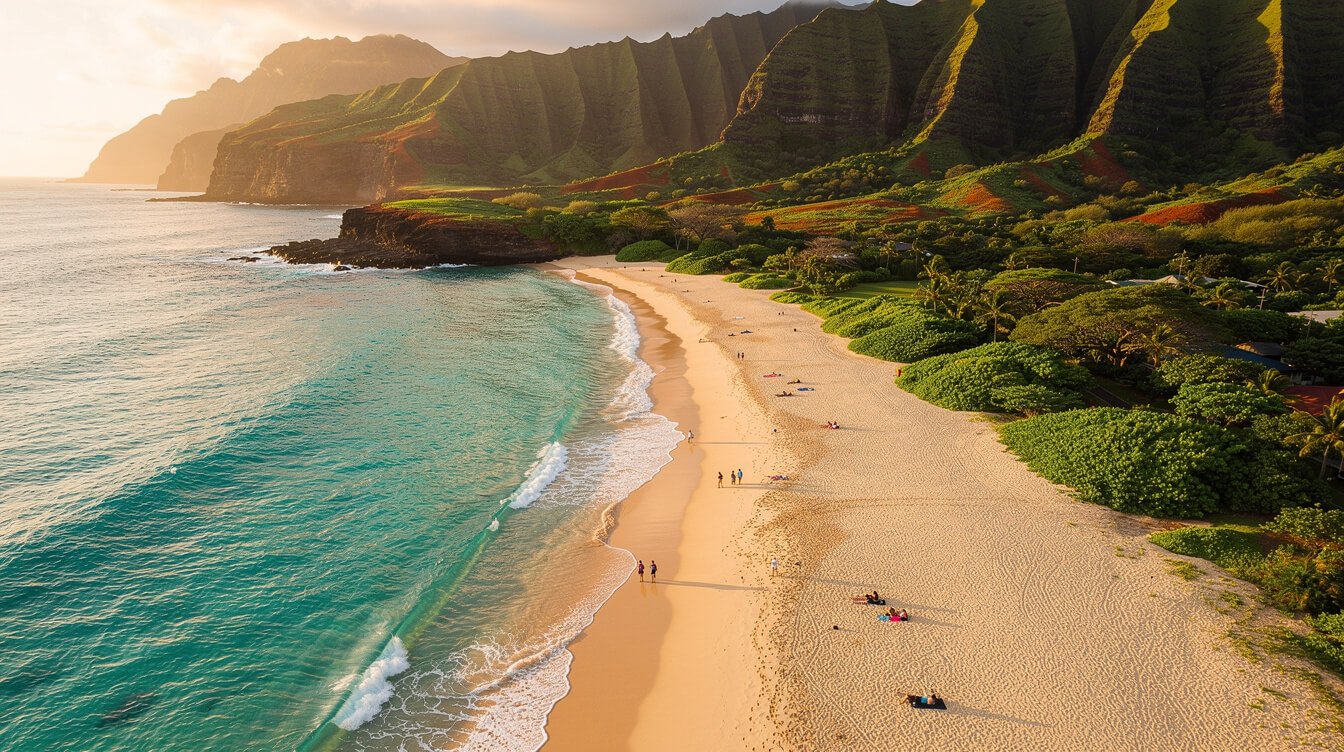
Kēʻē is the more famous of the two, and if you’ve seen a photo of Kauaʻi’s Nā Pali Coast, there’s a decent chance it was taken from here — it’s the beach at the very end of the road, where the pavement stops and the Kalalau Trail begins. It has a shallow, reef-protected keiki pool that’s genuinely one of the best kid-safe pockets on the island, in calm summer surf.
Here’s why it’s #2 and not #1: getting there now requires a Hāʻena State Park reservation booked in advance at gohaena.com — either a $10 vehicle pass that covers parking and entry, or a $5-per-person ticket if you’re arriving by shuttle or drop-off. Reservations open 30 days out, there’s a hard cap of 900 visitors a day, there’s no cell signal once you’re in the park to book on the fly, and there are no same-day tickets. Outside that protected pool, the water at Kēʻē has real currents and no lifeguard, and the whole calculation changes the moment winter surf shows up. It’s worth the planning. It’s just planning Poʻipū doesn’t ask of you.
The reservation system exists for a real reason beyond crowd control, too. Hui Makaʻāinana o Makana, a community group formed in 1998, holds a long-running curatorship agreement to protect and restore the archaeological and agricultural sites mauka of the beach — loʻi (taro terraces), old house sites, and other places that predate any of this being a parking lot — and the 900-visitor cap came directly out of the community-based master plan built around that stewardship work. In 2021, the Hui took over day-to-day management of the park itself. That’s worth knowing before you treat the reservation as a mere inconvenience — it’s doing more than managing parking.
Ranked #3–5: The North Shore, Beauty With an Asterisk
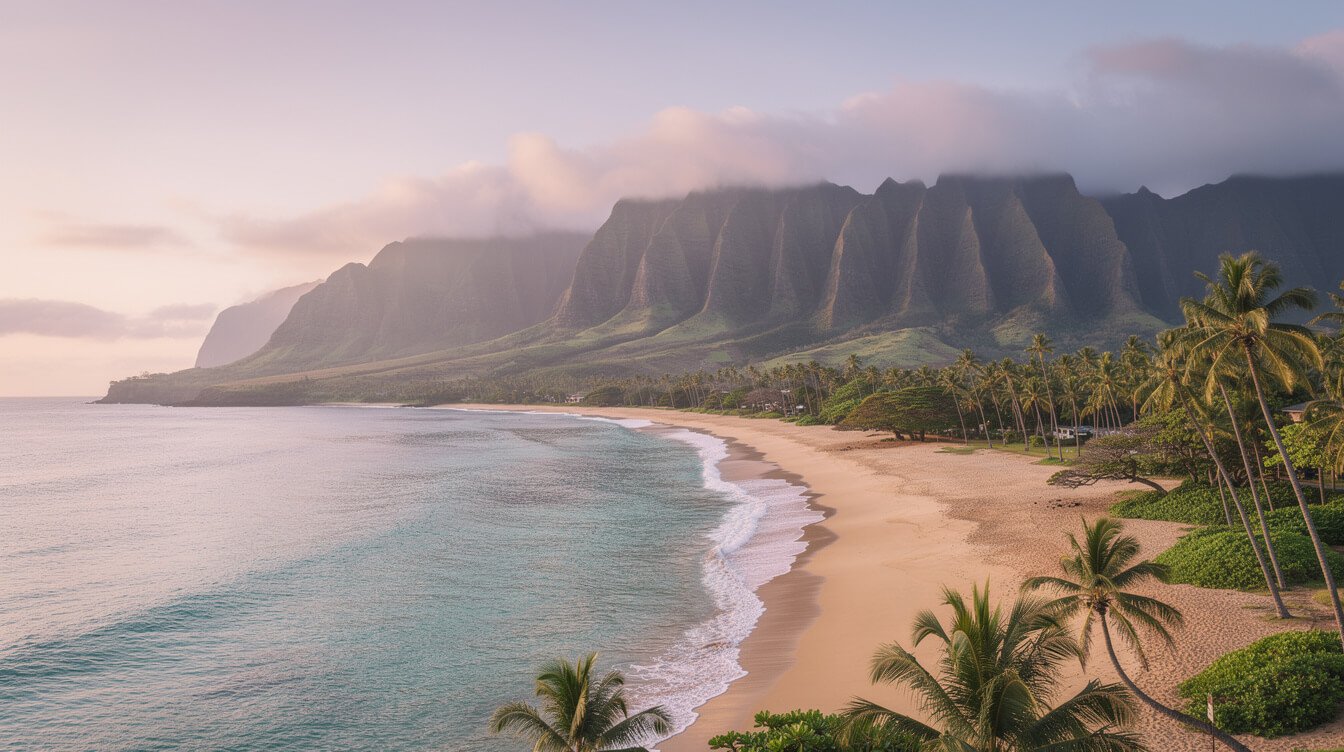
3. Hanalei Bay
Two miles of sand curling under mountains that look digitally added, fronting a real town — restaurants, a pier, shave ice, not a resort strip pretending to be one. In summer, the bay is calm enough for beginners and stand-up paddling. In winter, the exact same bay turns into a serious, internationally known surf break with waves that can reach well overhead. Same beach, opposite personality, depending on the month — check the surf forecast, not just the calendar, before you assume which version you’re getting. The pier at the east end of the bay is the move for photos: it puts you out over the water without fighting anyone else for the angle, and it’s one of the few spots on the bay where you can watch the winter swell roll in from a genuinely safe distance.
4. ʻAnini Beach
The one to bring your kids to when Kēʻē’s pool feels too crowded. ʻAnini sits behind one of the longest fringing reefs on Kauaʻi, which keeps the water inside it flat and shallow most of the year — the rare North Shore beach that doesn’t come with a seasonal warning label. Locals treat it as the family beach: more coolers and pop-up canopies than surfboards, a boat ramp at one end, and enough of a lagoon that it’s a legitimate beginner snorkel spot when the water’s clear.
5. Tunnels (Mākua) Beach
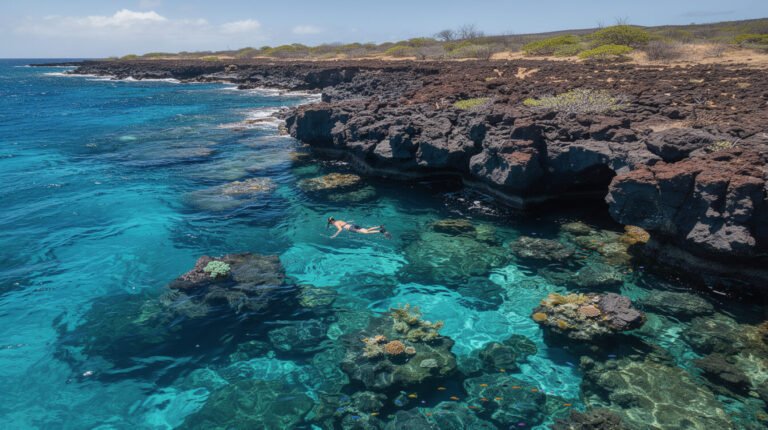
Its real name is Mākua; “Tunnels” is the nickname, earned by the lava tubes riddling the reef offshore, which make for some of the best snorkeling structure on the island in calm summer conditions. That same reef structure is exactly why it’s ranked below ʻAnini and not above it: when the surf is up, the channels between the tubes turn into fast-moving rip current highways, and this is a beach experienced snorkelers treat with real respect rather than casual confidence. Go on a flat, glassy summer morning and it’s extraordinary. Go on a north-swell day and it’s a beach to photograph from the sand, not swim. If you’re not sure which day you’ve got, look at the shorebreak before you look at the water past it — a calm-looking lagoon can still be feeding a strong exit current through the tube channels, which is the part visitors underestimate most.
Ranked #6–8: The South Shore and East Side, Steady All Year
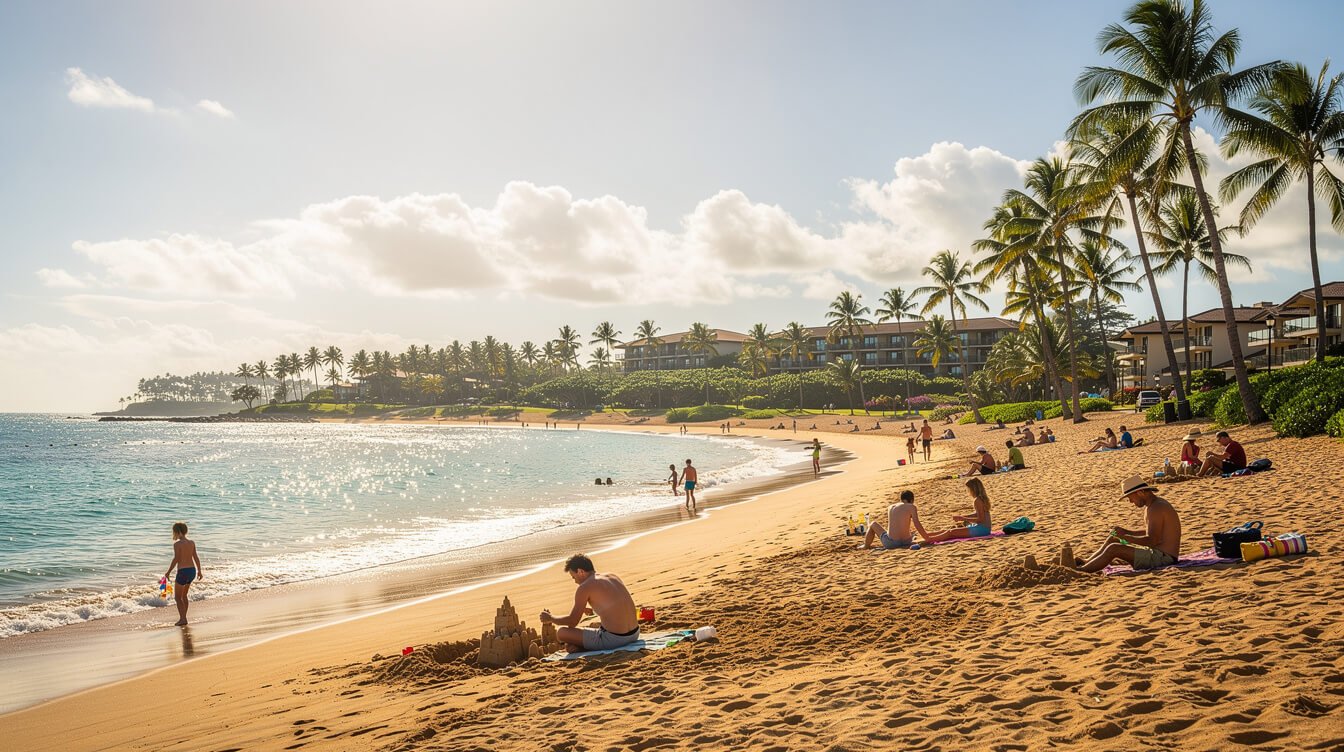
6. Salt Pond Beach Park
A reef-protected lagoon near Hanapēpē that stays calm enough for real swimming most of the year, which is exactly the South Shore consistency this list keeps coming back to. It’s named for the natural salt ponds just inland, where local families have hand-harvested Hawaiian salt for generations using a method that goes back over a thousand years — worth a respectful look from the road, but the salt beds themselves are private, still actively worked, and not a photo-op or a tourist stop. Swim in the lagoon, admire the ponds from a distance, and leave it at that.
7. Lydgate Beach Park
Two boulder-walled saltwater pools — locals call them Morgan’s Ponds — built in 1964 specifically to give the community a stretch of ocean that big winter surf can’t reach. The smaller pond is genuinely toddler-safe; the larger one is open enough for real swimming and easy snorkeling without ever dealing with a current. A lifeguard tower overlooks both, and the adjacent Kamalani playground makes this the single easiest “everyone in the family is happy” beach stop on the island.
8. Kalapaki Beach
Tucked into Nāwiliwili Bay a few minutes from Līhuʻe airport, Kalapaki is the beach visitors fly past on their way to somewhere else and locals actually use on a Tuesday afternoon. A breakwater keeps the bay calm most of the year, there’s a volleyball net that sees regular pickup games, and it’s close enough to the airport to be a genuinely good first stop if you land with hours to kill before check-in, or a last stop before a red-eye home. It doesn’t have the drama of a North Shore backdrop, and that’s precisely the point — after a week of checking the surf report before every swim, an unremarkable, reliably calm bay starts to look like the smartest beach on the island.
Kauai Beaches We Don’t Recommend for Casual Swimmers
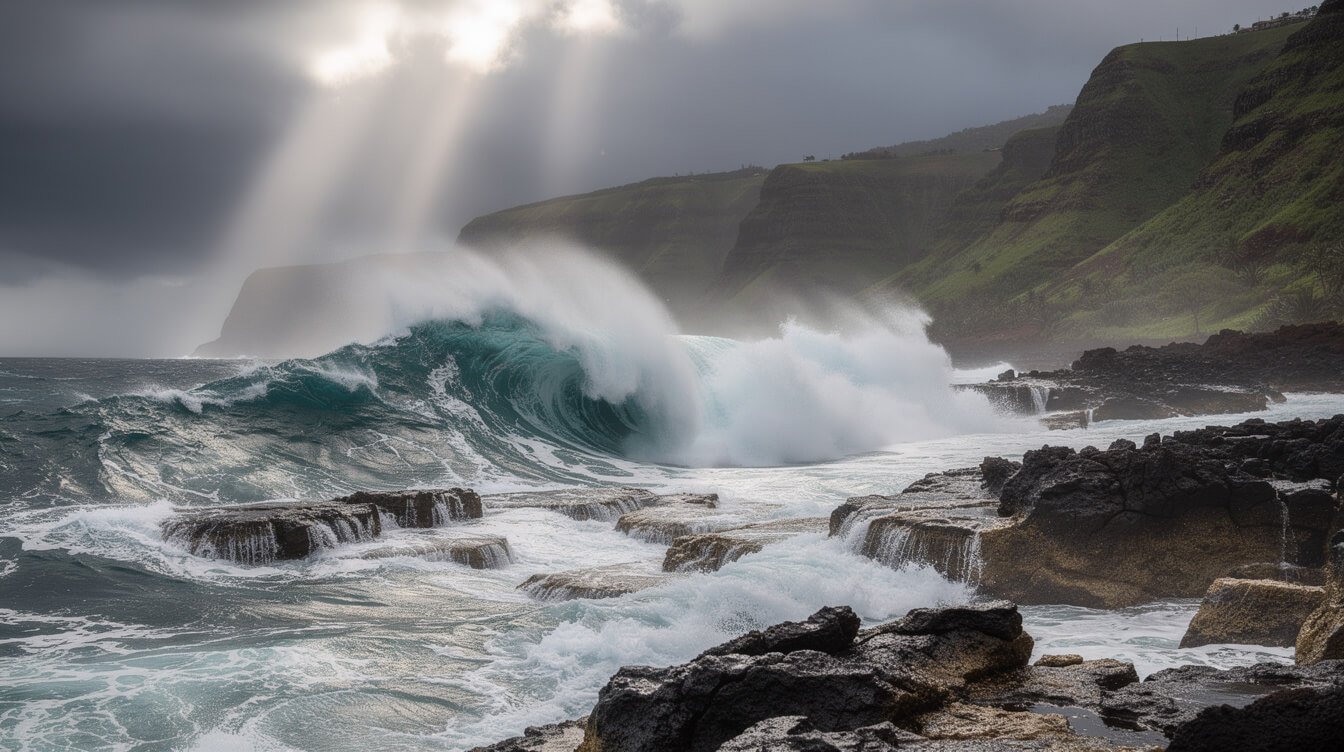
These are real, worth-seeing places. They’re just not swim beaches for anyone without serious ocean experience, and no honest ranking should bury that in a footnote. If you take one thing from this whole guide, take this: on Kauaʻi, a completely flat, glassy-looking ocean is not proof it’s safe. Rip currents and shorebreak here can be strong on days that look perfect from the parking lot, which is exactly the trap that catches visitors who are used to gentler islands.
Polihale State Park. The longest beach in the state, at the far west end of the island past a rutted, unpaved five-mile cane road that most rental car agreements explicitly forbid — get stuck out there and you’re paying for it yourself. There are no lifeguards and no cell signal anywhere in the park. This is one of Kauaʻi’s most dangerous beaches by drowning history: powerful shorebreak, strong rip currents, and waves that can reach well over head-height with little warning. Queen’s Pond, a small reef-sheltered pocket near the south end, is the one relatively calmer spot, and only in settled summer conditions. Go for sunset, bring a vehicle you’re not attached to, and treat the water as a photo subject, not a swim option.
Kauapea (Secret Beach). A genuinely stunning stretch near Kīlauea, reached by an unmarked trail that keeps crowds thin. Strong currents and rough surf show up here even when the ocean looks deceptively flat, there’s no lifeguard, and winter turns it fully unsafe for swimming. Beautiful for a walk. Risky for a dip outside of the calmest summer days, and even then, know your limits.
Larsen’s Beach. A wide, uncrowded North Shore beach with excellent tide-pooling at low tide, undercut by strong currents that make it a poor swim choice for anyone but strong, experienced ocean swimmers. Explore the reef flat on foot at low tide; leave the actual swimming for a beach on this list with a lifeguard tower.
Crowd-Timing Cheat Sheet: When Each Beach Is Actually Empty
- Poʻipū Beach Park: before 9 a.m. or after 4 p.m. Midday is tour-van hour.
- Kēʻē Beach: your reservation window controls this now — the earliest available shuttle or entry slot each day is consistently the calmest.
- Hanalei Bay: weekday mornings. Weekends bring the whole North Shore out, locals included.
- ʻAnini Beach: almost always uncrowded — it’s a genuine local secret hiding in plain sight, no special timing required.
- Tunnels (Mākua): early, on a flat summer morning, before the dive and snorkel tour vans arrive around 10.
- Salt Pond Beach Park: weekday afternoons; weekends fill with local family gatherings, which is a fine reason to go, just not for solitude.
- Lydgate Beach Park: any weekday outside of school pickup hours — it’s a locals’ after-school spot by 2:30 p.m.
- Kalapaki Beach: right around flight departure banks at the nearby airport, oddly enough — an hour or two after a wave of flights leaves, the beach thins out noticeably.
General rule across the whole island: cruise ship days (check the Nāwiliwili Harbor schedule if you’re curious) bump crowds at Poʻipū and Kalapaki specifically, since both are easy shuttle-tour distance from the harbor. Everywhere else on this list runs on local rhythm — before-work mornings and after-school afternoons — rather than tourism traffic.
FAQ: Best Beaches in Kauai for Kids, Swimming, and Snorkeling
What’s the best beach for kids on Kauaʻi?
Lydgate Beach Park, without much competition. The boulder-walled ponds remove the current risk entirely, there’s a lifeguard tower, and the playground next door means nobody has to negotiate over when to leave the sand. Kēʻē’s keiki pool and ʻAnini’s shallow lagoon are strong runners-up in calm summer conditions.
What’s the best swimming beach on Kauaʻi?
Poʻipū Beach Park, for the reasons above — it’s swimmable in more conditions, more months of the year, than any other beach on this list, with lifeguards on duty and no reservation to plan around.
What’s the best snorkeling beach on Kauaʻi?
Tunnels (Mākua) Beach on a calm summer day, hands down, thanks to the lava-tube reef structure just offshore. ʻAnini’s lagoon is the better choice if you’re snorkeling with a nervous beginner or a kid, since the reef keeps the water shallow and current-free.
Do I really need a reservation for Kēʻē Beach?
Yes. Hāʻena State Park requires an advance reservation for every visitor arriving by car or shuttle, booked at gohaena.com up to 30 days ahead, with a daily cap of 900 people and no same-day tickets sold at the gate. Hawaiʻi residents are exempt from the fee and reservation system with valid ID.
Which Kauaʻi beaches are safest for swimming in winter?
Poʻipū Beach Park, Lydgate Beach Park, and Kalapaki Beach are the three that hold up best when big winter surf turns the North Shore into a different ocean. All three sit on the calmer south and east sides of the island and are either reef-protected or engineered specifically to blunt incoming swell. Hanalei Bay, Kēʻē, ʻAnini, and Tunnels should all be treated as summer-first swim spots and re-evaluated day-by-day from November through March.
Final Thoughts
The honest version of “best beaches in Kauai” isn’t a top-eight list of pretty photos — it’s knowing which beach matches the water you’re actually going to get that day. Poʻipū earns the top spot by being dependable. Kēʻē and the rest of the North Shore earn their spots by being spectacular, with the seasonal and logistical caveats spelled out instead of buried. And Polihale, Kauapea, and Larsen’s are worth the drive to look at, not to swim.
If you’ve already worked your way through our statewide beach ranking, this is the deep-dive version for Kauaʻi specifically — and it pairs well with our rankings of Oʻahu’s best beaches, the Big Island’s best beaches, and Maui’s best beaches if you’re island-hopping or just settling an argument about which coastline wins.
Got a Kauaʻi beach day planned? Check out the shop for a design made by people who actually know this island, not a tourist-brochure version of it.