Best Beaches on Oahu: A Local’s Ranking by What You Actually Want to Do
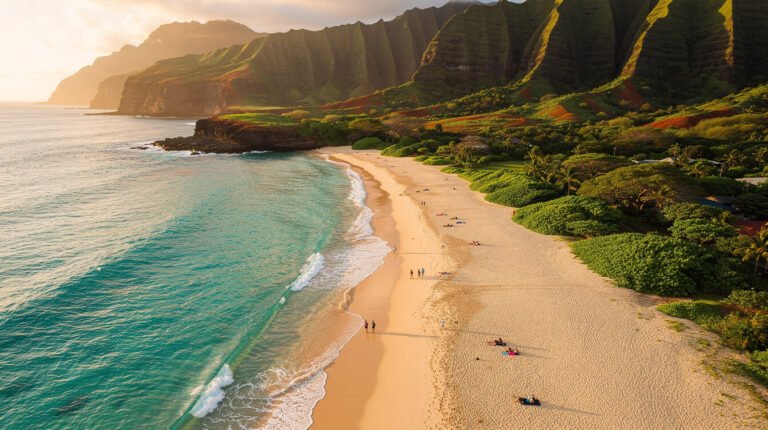
Ask five different people in Honolulu for the best beach on Oahu and you will get five different answers, and every one of them will be right — for that person, on that day. That is the honest answer to best beaches oahu: it is not one beach, it depends on whether you have a toddler, a snorkel mask, a sunset to catch, or just a need to not see another human being for an hour. Here is how a local actually sorts it out, island-wide, with the trade-offs nobody puts in the caption.
How a local picks a beach (it depends on the day)
Tourist lists rank beaches like a beauty pageant — prettiest wins. That is not how anyone who lives here actually chooses. A local checks three things before anything else: which side of the island the wind is blowing from (windward gets choppy and rainy fast, leeward stays glassy), what the surf report says (a flat summer day at Waimea Bay is a completely different beach than a January swell), and who is coming — a two-year-old changes the answer more than any five-star review does.
There is also a fourth, quieter rule: pick a beach for the season you are actually in. Oahu does not really have a bad season, but it has different oceans depending on the month — summer (roughly May through September) flattens the north-facing shores and turns them into swimming pools, while winter (November through February) sends real, sometimes dangerous surf to those same beaches and flips the calm-water crown to the south and leeward shores instead. A ranking that ignores the calendar is not a real ranking.
So this guide is organized the way a local actually thinks: an honest all-around top three with the trade-offs spelled out, then the best pick for specific needs — kids, snorkel, sunset, solitude — because “best” only means something once you know what you are optimizing for.
The best beaches on Oahu, ranked (why #1 beats #2)
1. Kailua Beach Park
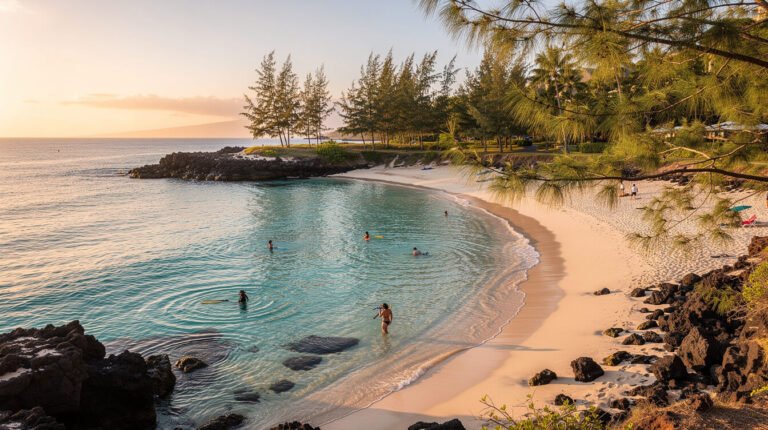
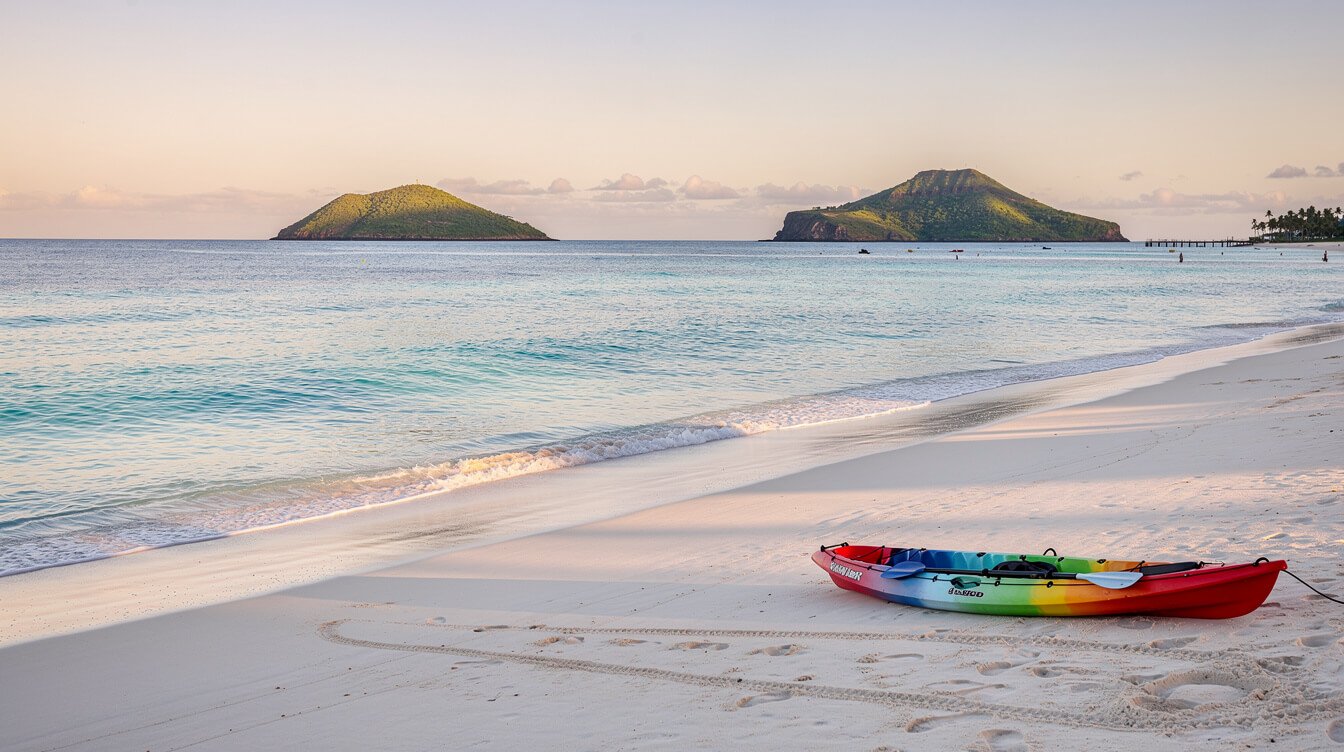
Kailua wins the all-around slot for one reason: it does everything well and nothing badly. Almost a mile of soft white sand, water so calm you can wade out fifty yards and still touch bottom, a real parking lot (not a residential street you are trespassing to park on), bathrooms, showers, picnic tables, and a boat ramp if you want to paddle out toward the Mokulua Islands. The trade wind that keeps the windward side lush also keeps Kailua from ever feeling stagnant or overheated the way some leeward beaches do by 2pm. It is the beach a local actually brings out-of-town family to, because nobody has a bad time at Kailua — not the toddler, not the grandparents, not the person who just wants to read.
2. Lanikai Beach
Lanikai is more beautiful than Kailua — the sand is finer, the water is a more absurd shade of turquoise, and the view of the Mokulua Islands offshore is the one you have seen on every Oahu postcard. So why is it #2? Because the reality of visiting Lanikai does not match the photo. There is no public parking lot — you park on a narrow residential street and walk past people’s houses to reach the sand, the beach itself is narrow and disappears almost entirely at high tide, and there are zero facilities: no bathroom, no shower, no shade beyond a few ironwood trees. It is worth the walk once, ideally at sunrise before the street fills up. It is not where you take the kids for the whole day.
3. Waimea Bay
Waimea is the beach that changes personality with the season, and that is exactly why it earns a top-three spot instead of a higher or lower one. In summer, it is one of the calmest, clearest swimming holes on the island — locals jump off the rock on the north side, families float in water like glass, and the sand shelf drops gently enough for weak swimmers to still feel safe. In winter, the same bay turns into one of the most dangerous big-wave arenas on Earth, home to the Eddie Aikau big-wave contest, closed to swimming entirely when the surf turns on. Rank it by the calendar, not just the map.
Just outside the top three: Diamond Head Beach (Kaimana), a short walk past the Waikīkī hotel strip, is the pick for a local who wants Waikīkī’s convenience without Waikīkī’s crowd — same warm water, a fraction of the people, Diamond Head crater as a backdrop instead of high-rises.
Best Oahu beach for kids and families
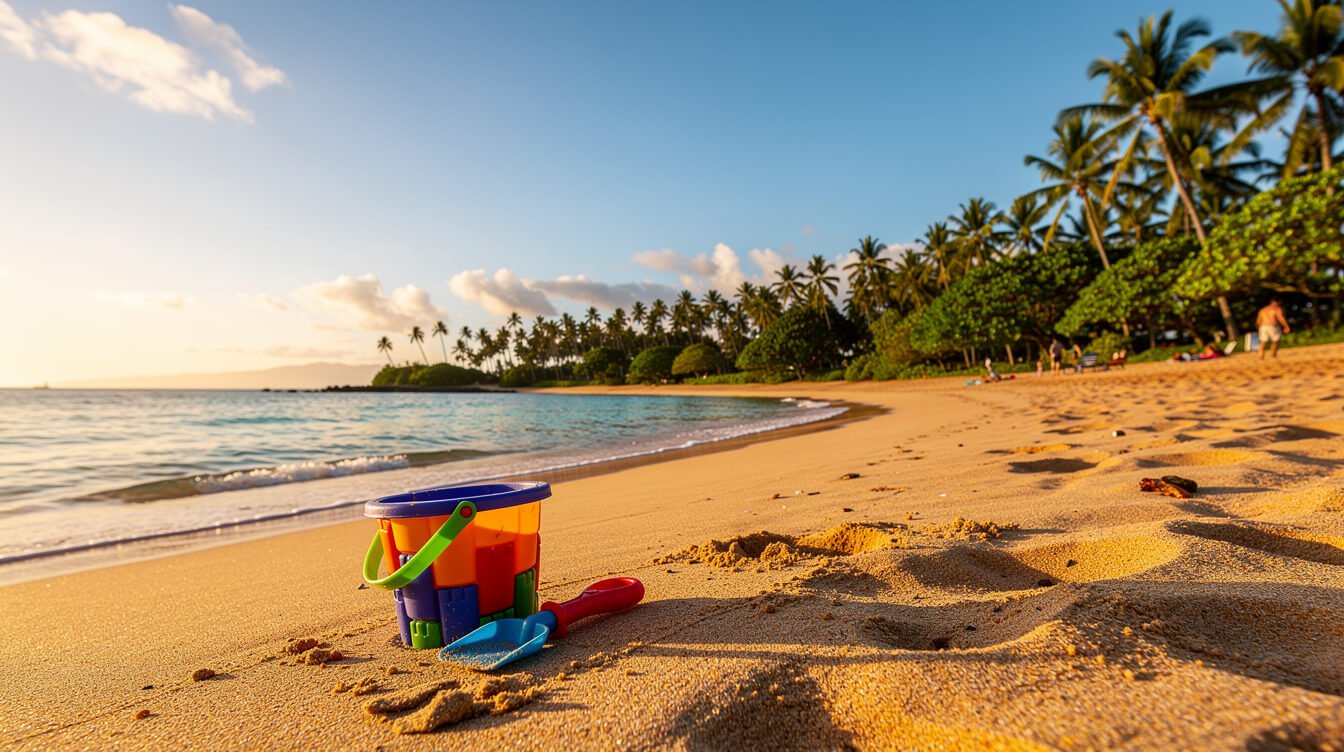
For the best beach for kids oahu search specifically, there are two honest answers depending on your budget for parking hassle.
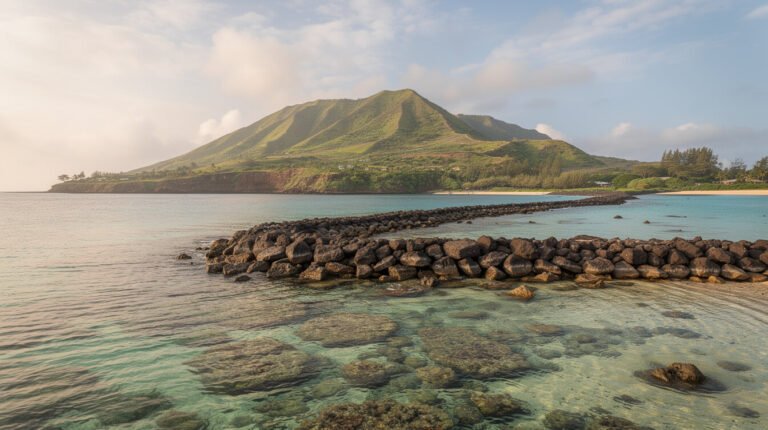
Free and local: Ala Moana Beach Park. This is the beach locals actually use with small kids, not because it is the prettiest but because it works — a long offshore breakwall knocks down the surf before it ever reaches the sand, so the water inside stays lake-flat almost year-round. It has full facilities, a grass park with shade trees for the stroller-and-cooler crowd, packed (not soft-sinking) sand that is easier to walk on than most beaches, and it sits five minutes from Honolulu, so there is no long drive with a cranky toddler in a car seat.
Worth the fee: Koʻolina. The developer-built lagoons on the leeward coast (the resort signage spells it “Ko Olina,” dropping the ʻokina that belongs in the traditional place name) are genuinely the calmest water on the island — four man-made coves with almost no current, shaded loungers, and lifeguards. You will pay for parking and share the sand with resort guests, but if you have a toddler who cannot swim yet, the total absence of current and shorebreak is worth it.
One honorable mention: Waimānalo Bay Beach Park (locals call the state-park section “Bellows,” open to the public on weekends) has wide, forgiving sand and gentler shorebreak than most windward beaches — a solid backup when Kailua’s lot is full, and quieter than either of the two picks above.
Best for snorkel, bodysurf, and sunset
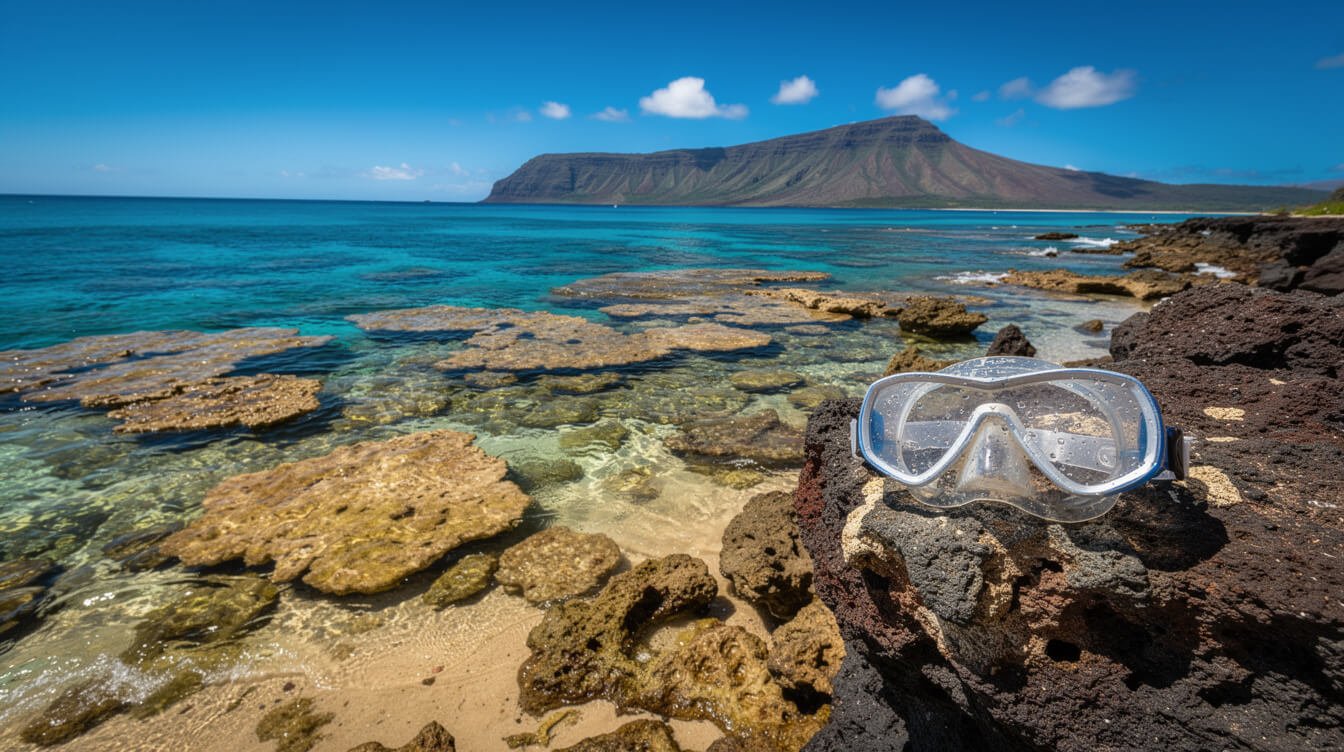
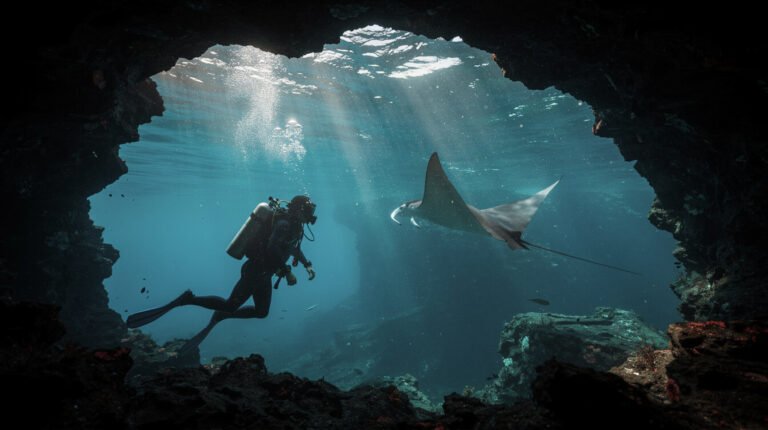
Snorkel: Hanauma Bay. Yes, it is the touristy one, and yes, it earns it — a protected volcanic crater bay with the healthiest reef and easiest fish-watching on Oahu, from butterflyfish and parrotfish to the occasional honu grazing near the reef edge. The catch: it is a Nature Preserve now, not a free walk-in beach. You need a timed reservation booked online in advance, it is closed Tuesdays for the reef to rest, and there is an entry fee for non-residents. Show up without a reservation and you will be turned away at the gate — plan ahead. Once in the water, keep your fins off the coral; standing on it, even briefly, kills it.
Bodysurf: Mākapuʻu Beach. This is a real local bodysurfing spot with serious, fast-breaking shorebreak — thrilling if you know what you are doing, genuinely dangerous if you do not. Watch the local bodysurfers for ten minutes before you go in; if you do not see anyone with fins and a body board go for it, that is your answer. Sandy Beach, covered in the safety section below, has a similar wave but a worse reputation for injuries — Mākapuʻu’s sandbar is slightly more forgiving.
Sunset: Sunset Beach. The North Shore namesake earns the title honestly — wide open western horizon, minimal light pollution, and (outside of winter contest season) far fewer people fighting you for the view than Waikīkī’s sunset crowd. If you are already out west, Yokohama Bay at the end of the Waiʻanae coast road gives an even more unobstructed, undeveloped horizon with almost nobody else watching.
Ocean safety that saves your day
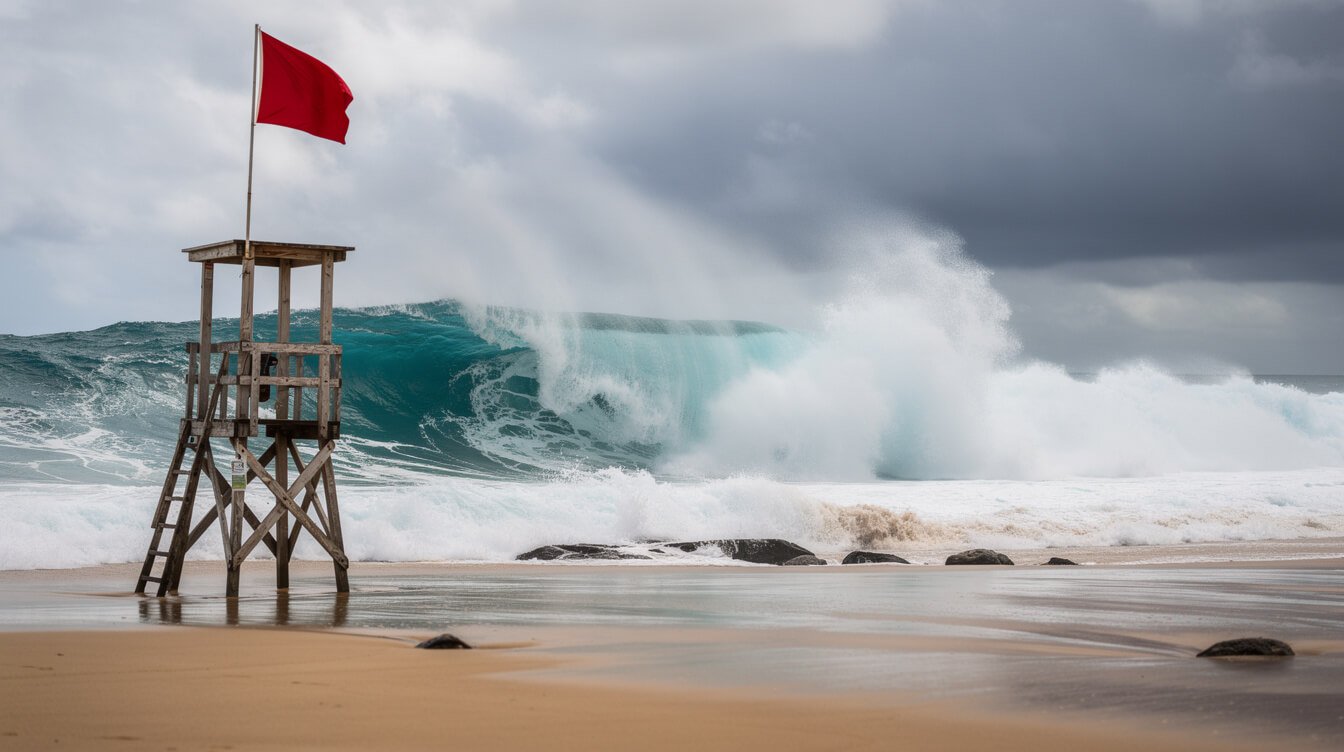
This is the section every tourist list skips, and it is the one that actually matters. Oahu’s beaches are not a resort pool — the ocean here is real, drowning is consistently one of the leading causes of visitor injury and death in Hawaii, and every year people get seriously hurt at beaches that look calm in a photo. None of that is meant to scare you off the water. It is meant to make sure you respect it the way locals do.
- Sandy Beach (“Sandy’s”) has a reputation among lifeguards for the worst shorebreak-related neck and spinal injuries on the island — the wave breaks directly onto shallow sand instead of rolling in gradually. If you are not an experienced bodyboarder, watch from the sand.
- Green, yellow, and red flags at lifeguard towers are not a suggestion — they change island-wide based on real conditions that morning, not the forecast from yesterday. Green means calm, yellow means moderate hazard, red means stay out. Pulling someone out of a rip current is the single most common lifeguard rescue on this island.
- Rip currents don’t pull you under, they pull you out. If you get caught in one, do not fight it straight back to shore — swim parallel to the beach until you are out of the current, then angle back in.
- Never turn your back on the ocean. Sneaker waves — larger sets that arrive with no warning — are how people get swept off rocks and shoreline ledges that looked perfectly safe seconds earlier.
- Box jellyfish show up on a schedule. They tend to arrive on Oahu’s south and west shores roughly eight to ten days after a full moon. Beach signage will post an active jellyfish warning — read it before you wade in.
- Winter swaps the rules. North Shore beaches (Sunset, Waimea, Pipeline) that are calm swimming holes in summer become closed-to-swimming wave arenas from roughly November through February. Check the surf report, not just the beach’s summer reputation.
The local spots — and how to be a good guest
If you want where locals actually go on a Sunday, skip the beaches with a tour bus in the parking lot. Mokulēʻia, on the North Shore’s quiet west end past the surf towns, has no facilities, no crowds, and long stretches of sand that stay empty even on a holiday weekend — bring your own water and shade, because there is nothing out there to buy. Yokohama Bay (Keawaʻula), at the literal end of the road on the Waiʻanae coast, is the same story — undeveloped, no lifeguard most of the year, spotty cell service, and worth the drive precisely because almost no one else makes it.
Being a good guest at any of these comes down to a few real rules, not vibes:
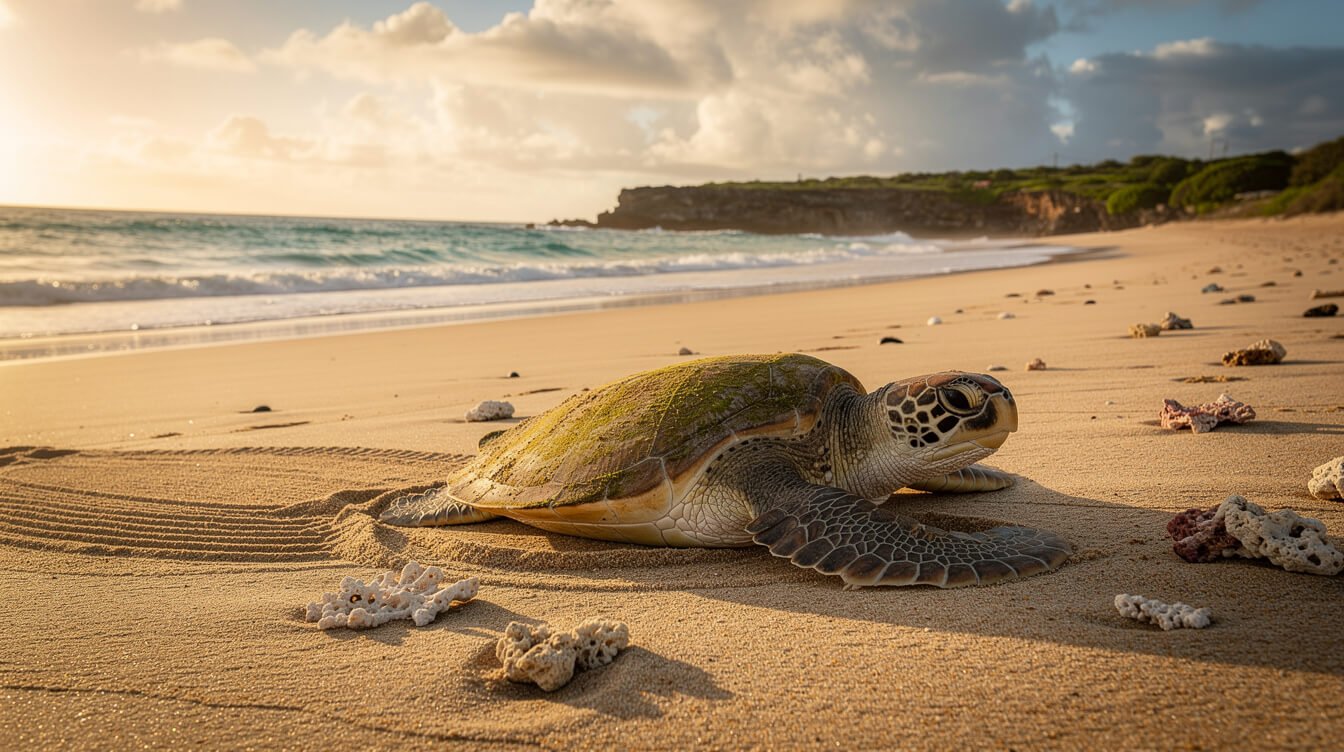
- Honu (green sea turtles) and monk seals are federally protected. Stay at least 10 feet from a honu and 50 feet from a monk seal — they haul out on the sand to rest, and that is normal, not an emergency. Do not approach, circle, or crowd them for a photo.
- Pack out what you bring in. Most of these local spots have no trash cans specifically to discourage large-crowd use — that means your rubbish leaves with you.
- Think twice before geotagging the quiet ones. A precise pin on a spot that stays uncrowded because almost nobody knows about it is how it stops staying uncrowded. Tag the island, not the exact cove.
- Weekends belong to residents too. Saturday and Sunday are when local families actually get to use their own beaches — a weekday trip is quieter for you and less crowded for everyone who lives here.
Know before you go
A few practical things that will save you a wasted trip. Reef-safe, mineral sunscreen (zinc oxide or titanium dioxide) has been required by Hawaii state law since 2021 — regular chemical sunscreen is banned for sale here and harms the reef, so pack the right kind before you land. Parking at popular spots (Lanikai, Hanauma, Sunset Beach in winter) fills by mid-morning; go early or go late, and never park somewhere marked private or you risk a tow. Rental cars parked at trailheads and beach lots are a known target for break-ins statewide — leave nothing visible in the car, valuables included, even for a quick swim. Trade winds usually pick up by early-to-mid afternoon, so mornings tend to be calmer water and better visibility for snorkeling almost everywhere on the island. And if a beach ever has a closed sign, a posted hazard flag, or a lifeguard actively waving people out of the water, that overrides anything written in this guide — conditions change by the hour, this list does not.
FAQ: quick answers
What is the single best beach on Oahu?
For an all-around day with no downsides, Kailua Beach Park. For the most beautiful photo, Lanikai — just know you are walking a residential street to get there.
Do you need a reservation for Hanauma Bay?
Yes. Hanauma Bay Nature Preserve requires a timed reservation booked online in advance, is closed Tuesdays, and charges non-residents an entry fee. Walk-ups without a reservation are turned away.
Which Oahu beach is safest for swimming with small kids?
Ala Moana Beach Park (free, breakwall-protected) or the Koʻolina lagoons (paid parking, calmer water) are the two honest answers — see the family section above for the full trade-off.
Is Waikīkī worth visiting if you are not a tourist?
Honestly, yes, for what it is good at: easy beginner surf lessons, people-watching, and a sunset with the Diamond Head skyline behind it. Just do not expect a quiet beach day — go elsewhere for that.
Is parking free at Oahu beaches?
Most public beach parks (Kailua, Ala Moana, Sunset, Waimea, Sandy Beach) have free public lots. Hanauma Bay and the Koʻolina lagoons are the main exceptions — both charge for parking and, in Hanauma’s case, entry.
What is the best time of year for Oahu beaches?
Summer (May through September) is the calmest, most swim-friendly window island-wide, especially on north-facing shores. Winter (November through February) brings serious surf to the North Shore, which is great for watching but not for swimming there — shift to the south and leeward beaches instead during those months.
Final thoughts
The real answer to “best beaches oahu” was never going to be one name — it is knowing which beach matches your day, respecting the ocean enough to check the flag before you check the view, and leaving the quiet spots as quiet as you found them. Born and raised, or island at heart, that is how a local actually does it.
Made your pick for the day? Grab a plate lunch on the way — our honest ranking of Honolulu’s best restaurants has the real local spots, not the tourist strip. Planning an island-hopping trip, our statewide beach ranking covers Maui, Kauaʻi, and Hawaiʻi Island too — including our Big Island beaches guide if lava-made black sand is more your speed. And if you want the shirt that says you actually know these beaches instead of just visiting them, the shop has the design a local would wear home.