Best Scuba Diving in Hawaii, Ranked by a Local Who Actually Dives It
Ask a tourist where to go scuba diving in Hawaiʻi and they’ll name an island. Ask a local and you’ll get a list of actual dive sites — because the best scuba diving in Hawaii was never really an island-versus-island question. It’s a site-versus-site one, and almost nobody ranks it that way. Every “guide” online breaks it down island by island, gives you a bullet list of names, and calls it a day. That tells you where things are. It doesn’t tell you where to actually spend your one boat trip.
This is our honest, cross-island ranking: the real standouts, the strong seconds, and — just as important — which of these actually match your certification level instead of just your Instagram feed. We dive these waters, we know people who work these boats, and nobody’s paying us to put their operator at the top.
How we rank the best scuba diving in Hawaii — not just by island
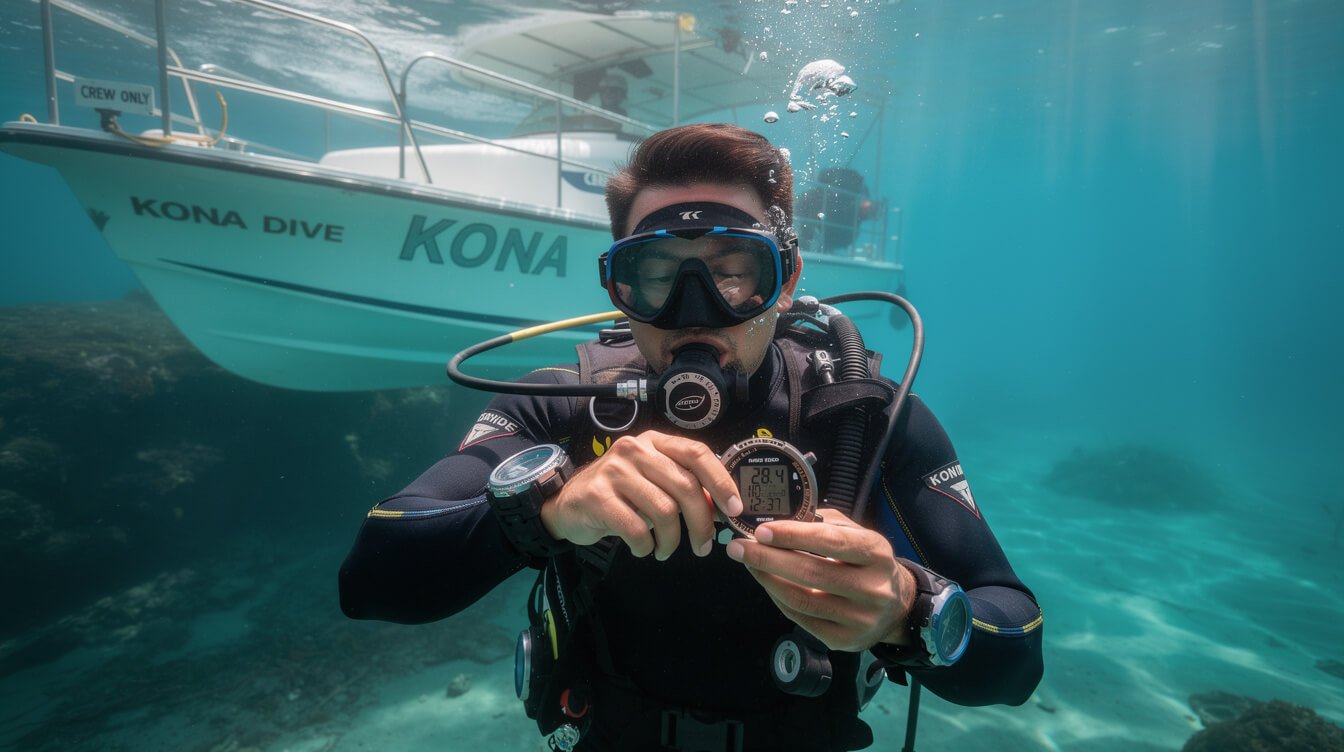
Every “best diving in Hawaii” list follows the same template: a paragraph per island, a few site names, no real reasoning for why one beats another. We ranked these against four things instead.
Marine life odds. Not “you might see something cool if you’re lucky” — the sites where a specific, memorable encounter is close to guaranteed on a normal day, versus the ones where you’re hoping the ocean cooperates. There’s a real difference between those two kinds of dives, and most lists don’t bother separating them.
Underwater terrain. Hawaiʻi’s whole underwater landscape was built by lava — arches, tubes, caverns, walls that drop straight into blue water. Some sites use that terrain in a way that genuinely changes the character of the dive. Others are just a sandy bottom with a nice reef, which is fine, but it’s not the same thing.
Skill match. A site that’s incredible for an advanced diver with a hundred logged dives can be a miserable, current-fighting slog for someone three dives out of certification. We tell you honestly which is which, instead of letting you find out the hard way at ninety feet with your air running low.
Crowds and boat traffic. Some of the most-hyped sites in the state get a dozen boats anchored over them by nine in the morning. We factor that in, because a great site with fifty divers kicking up sand that morning isn’t the same dive as the same site at first light with two boats.
Every site on this list earned its spot against those four things — not against how many times it’s been geotagged on a dive shop’s Instagram.
Best scuba diving in Hawaii, #1–3: the real standouts
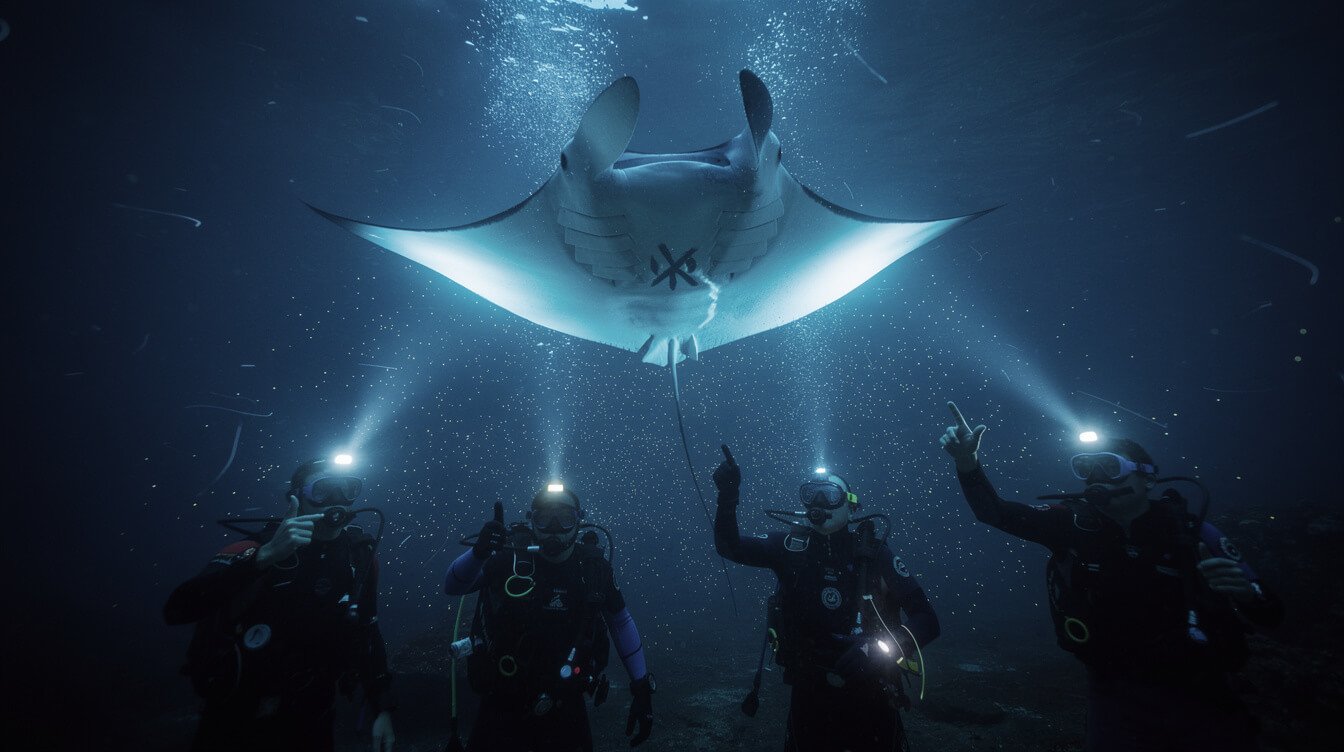
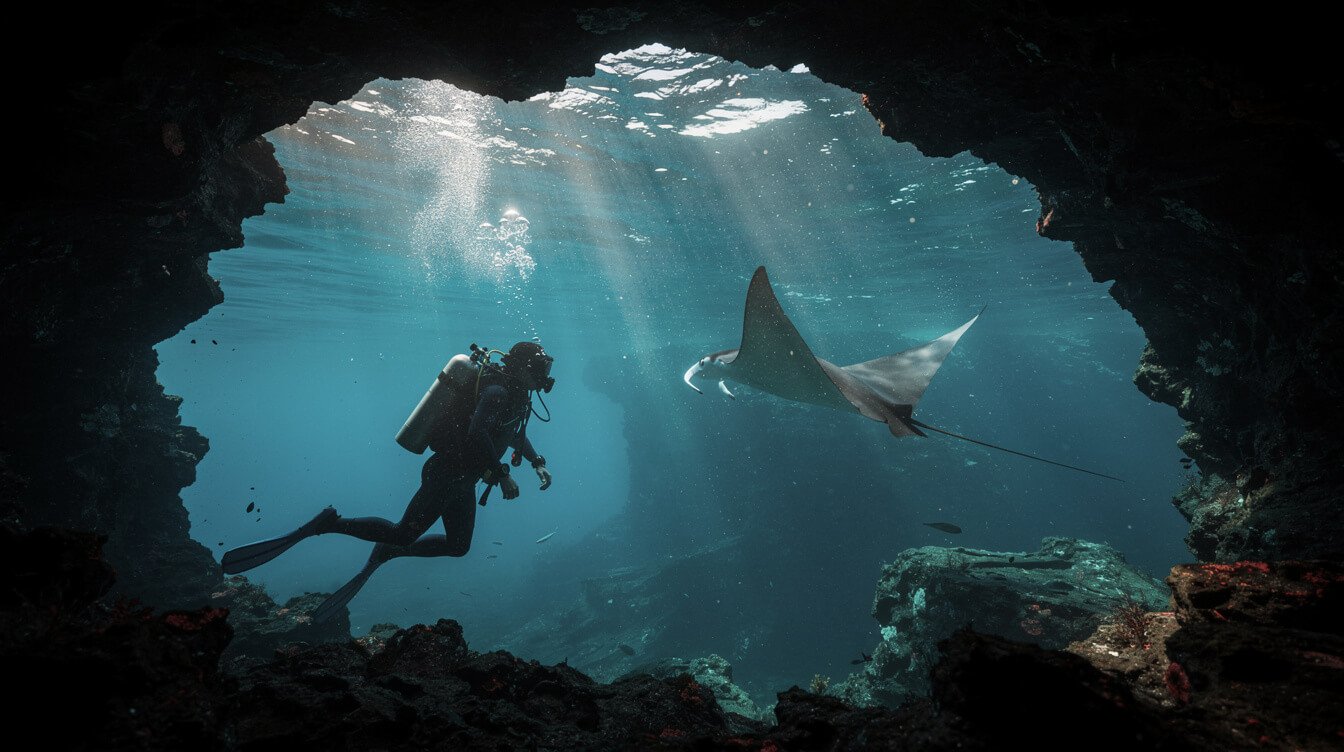
#1 — The manta ray night dive, Kona (Big Island). This is the one that actually deserves the hype it gets. Dive boats and shore groups set bright lights on the sandy bottom off the Kona Coast after dark. The lights draw plankton, the plankton draws manta rays, and on a normal night that means multiple mantas — sometimes a dozen or more — barrel-rolling inches over your head with their mouths wide open, feeding in the light column all around you. It isn’t a maybe. It’s the most reliable big-animal encounter in the entire state, with an animal that can span twelve feet wingtip to wingtip. Nothing else on this list gives you that combination of scale, proximity, and consistency, which is exactly why it’s #1 and it isn’t close.
#2 — Molokini Crater backwall, Maui. Molokini’s inner crescent is where every snorkel-and-dive combo boat parks, and it’s a fine dive — but the backwall, the outer edge of the crater dropping straight down into open ocean, is a completely different experience. Visibility routinely pushes past a hundred feet out there, and the wall itself pulls in pelagic life you rarely see inside the crescent: whitetip reef sharks stacked in ledges along the drop-off, and on a good day, hammerheads passing through the blue below you. It loses to the manta dive on one thing only — the encounter isn’t guaranteed the way Kona’s is. Some days the blue is full of life. Some days it’s just blue.
#3 — Sheraton Caverns, Poʻipū (Kauai). Three connected lava tube caverns, roomy enough to swim through side by side without feeling boxed in, usually stacked with green sea turtles resting on the ledges and whitetip reef sharks tucked into the swim-throughs. It’s calmer than #1 and #2, far more forgiving on skill and air consumption, and it’s still genuinely dramatic terrain rather than a plain reef with a name attached. That combination — real drama, low risk — is exactly why it’s our top pick for a diver who isn’t chasing a specific animal, just a great dive done right.
Best scuba diving in Hawaii, #4–6: strong seconds worth the boat ride
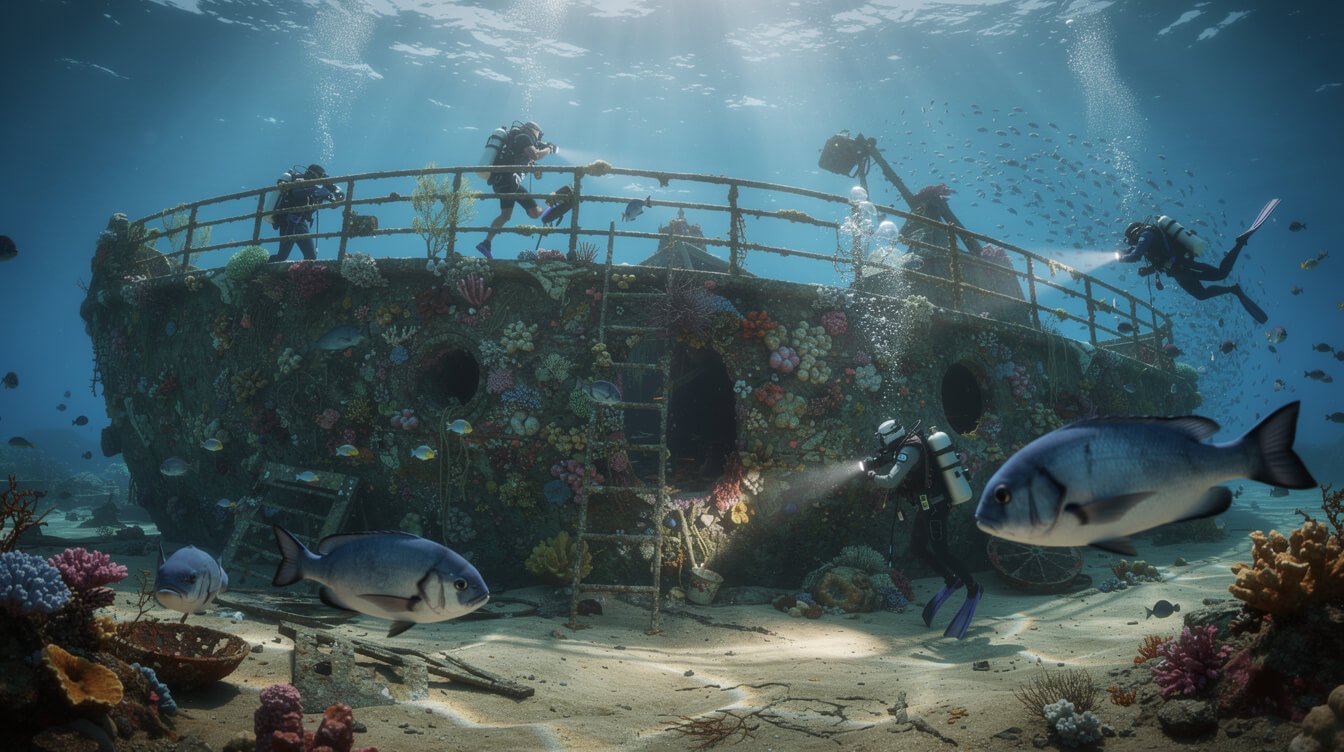
#4 — Cathedrals, Lānaʻi. Two dive sites, First and Second Cathedral, built from collapsed lava tubes that form genuine chamber-like rooms, with narrow skylights where sunbeams cut down through the ceiling in shafts you can watch move as the surface swell shifts. The crossing out here keeps a lot of boats away, so it stays uncrowded even on a good-weather weekend. The terrain alone earns its place in the top five; the emptiness is the bonus.
#5 — The Sea Tiger and YO-257 wrecks, Oʻahu. Two sunken ships off Waikīkī, close enough together that most boats run both in a single two-tank trip. The Sea Tiger sits shallower, upright, and thick with soft coral and schooling fish — an easier, photogenic wreck dive. The YO-257 runs deeper and colder, penetrable in parts for divers trained for it, and better suited to someone genuinely comfortable at depth. Oʻahu doesn’t have Hawaiʻi’s best reef diving, but it has some of its best wreck diving, and this pair is the reason.
#6 — Honolua Bay, Maui. A marine life conservation district on Maui’s west side, calm on most mornings, with healthy coral cover and a real shot at green sea turtles and octopus without the depth or current of anything ranked above it. It’s our pick for a newly certified diver who wants a genuinely good Maui dive rather than a scary one, and it’s a rare site where the easiest option on this list is also one of the best-looking.
Which of these actually fits your certification level
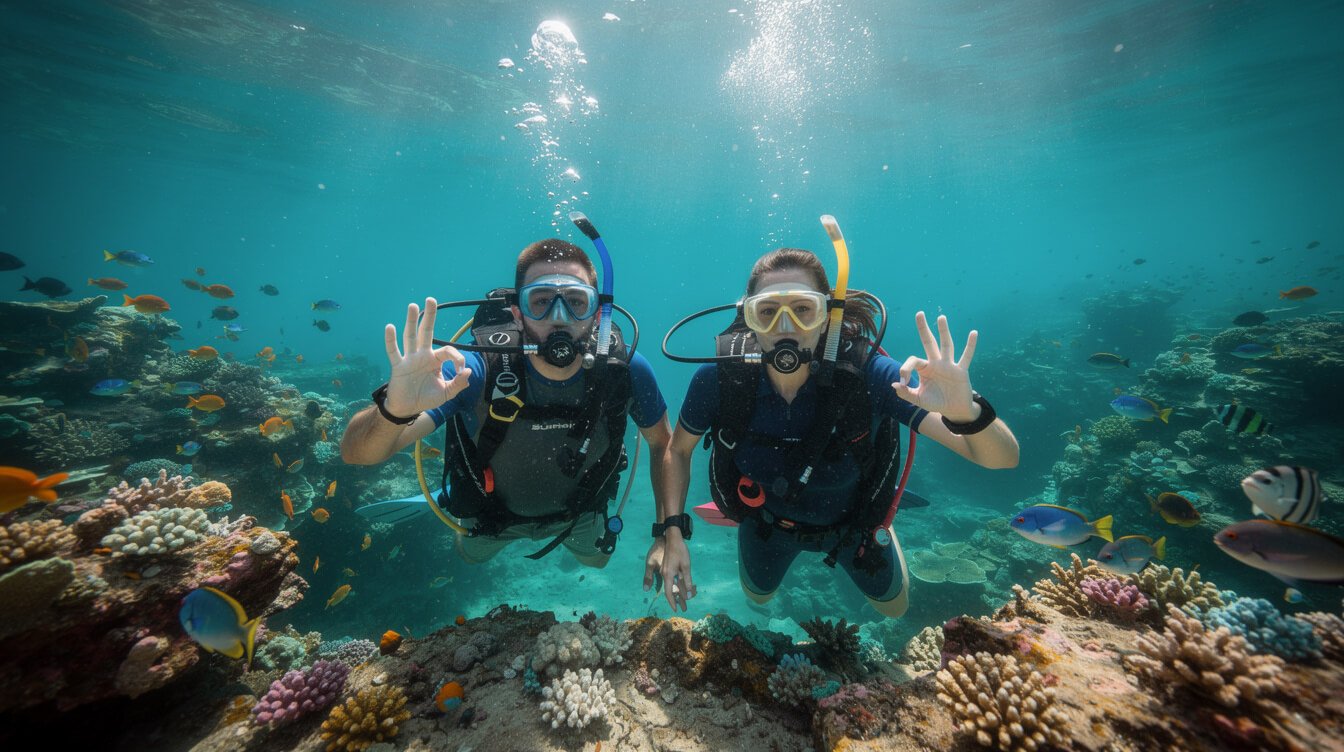
Half the disappointed reviews we’ve read for these exact sites aren’t really about the site — they’re about a diver who booked something above their level and had a miserable time instead of a great dive. Here’s the honest breakdown, by real skill level, not by marketing copy.
New Open Water diver, first few dozen dives: Honolua Bay (#6) is a genuinely good match. The shallow group on the Kona manta night dive (#1) is usually run as Open Water-friendly too — ask which group you’d be placed in before you book, because the deeper group is a different dive entirely. Sheraton Caverns (#3) is doable with a good operator on a calm day, but call ahead and ask about current that week.
Comfortable diver, 20+ logged dives: The Sea Tiger (#5), Molokini’s inner crescent, and most of the Cathedrals (#4) swim-throughs are a solid match for this range — dramatic enough to be memorable, forgiving enough not to punish you for a rusty skill or two.
Advanced Open Water or better: The Molokini backwall (#2) and the YO-257 (#5) both run deeper and colder with real current, and this is exactly where that certification matters — not as a card in your wallet, but as actual skill you’ll use on the dive.
Whatever level you’re at, book with an operator who asks about your log book before they ask for your credit card number. If a shop skips that question entirely, that’s a sign to call a different boat, not a compliment to your diving.
Real conditions: currents, season, and when to skip a site that day
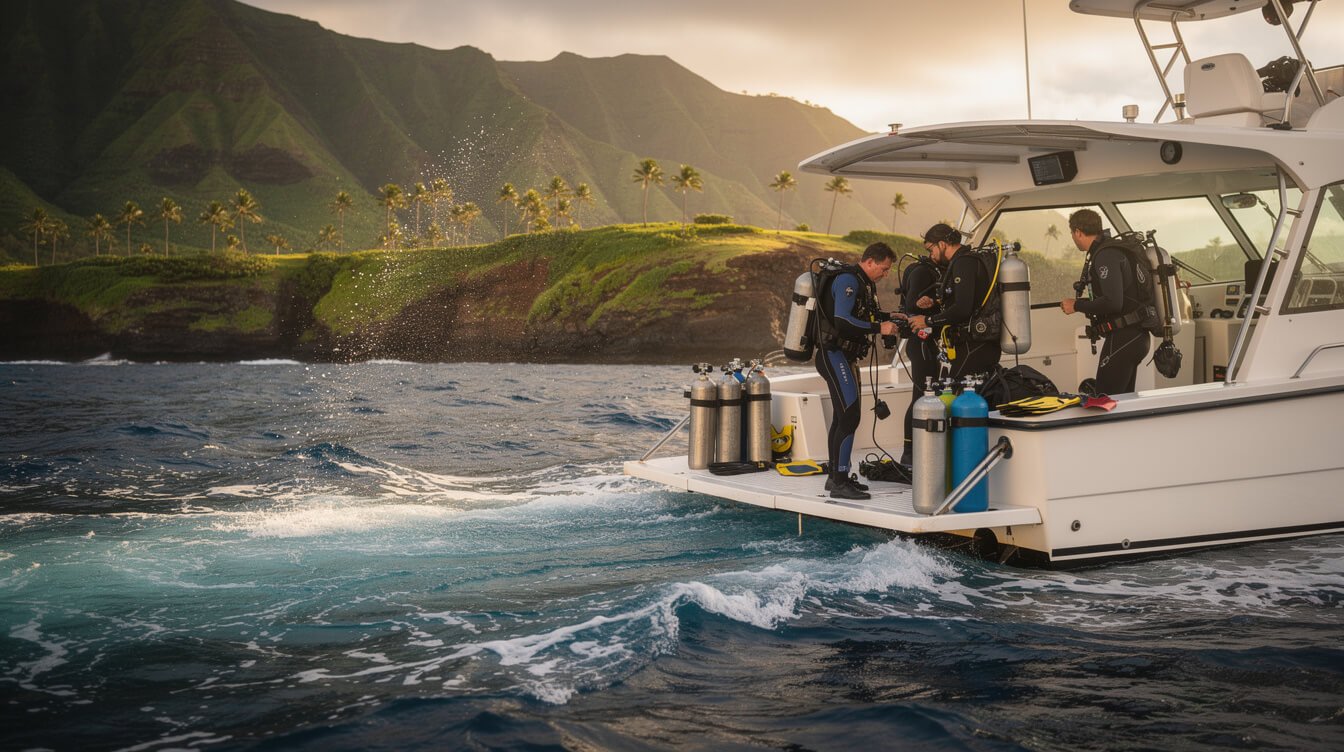
Hawaiʻi dives year-round, which is part of why people love it here, but “year-round” doesn’t mean “identical conditions every month.”
Summer (roughly May through October) brings calmer seas and the best average visibility, especially on north-facing shores that get hammered by swell the rest of the year. This is also when a handful of the more exposed, current-heavy sites — including trips out to Niʻihau off Kauai — actually run, since they depend on that calmer window to be safe at all.
Winter (roughly November through April) brings bigger swell to north shores and, with it, humpback whale season — you can genuinely hear them singing underwater on a quiet dive, which is one of the few things on this list that isn’t rankable, just worth experiencing. South-facing sites like Honolua Bay and much of Molokini’s protected side stay diveable through winter even when the north shore is blown out.
Water temperature sits between roughly 75 and 81°F depending on season and depth, warm enough that most divers wear a 3mm wetsuit or even just a rash guard on the shallower sites, though anyone spending real time at depth on the YO-257 or the Molokini backwall will feel the difference a thicker suit makes after forty-five minutes.
The honest rule: if your operator calls the morning of and reschedules or swaps your site, that’s not bad service — that’s a good operator reading real conditions instead of running the trip anyway because you’re only in town for a week. Take the swap.
Reef and marine life etiquette that isn’t optional here
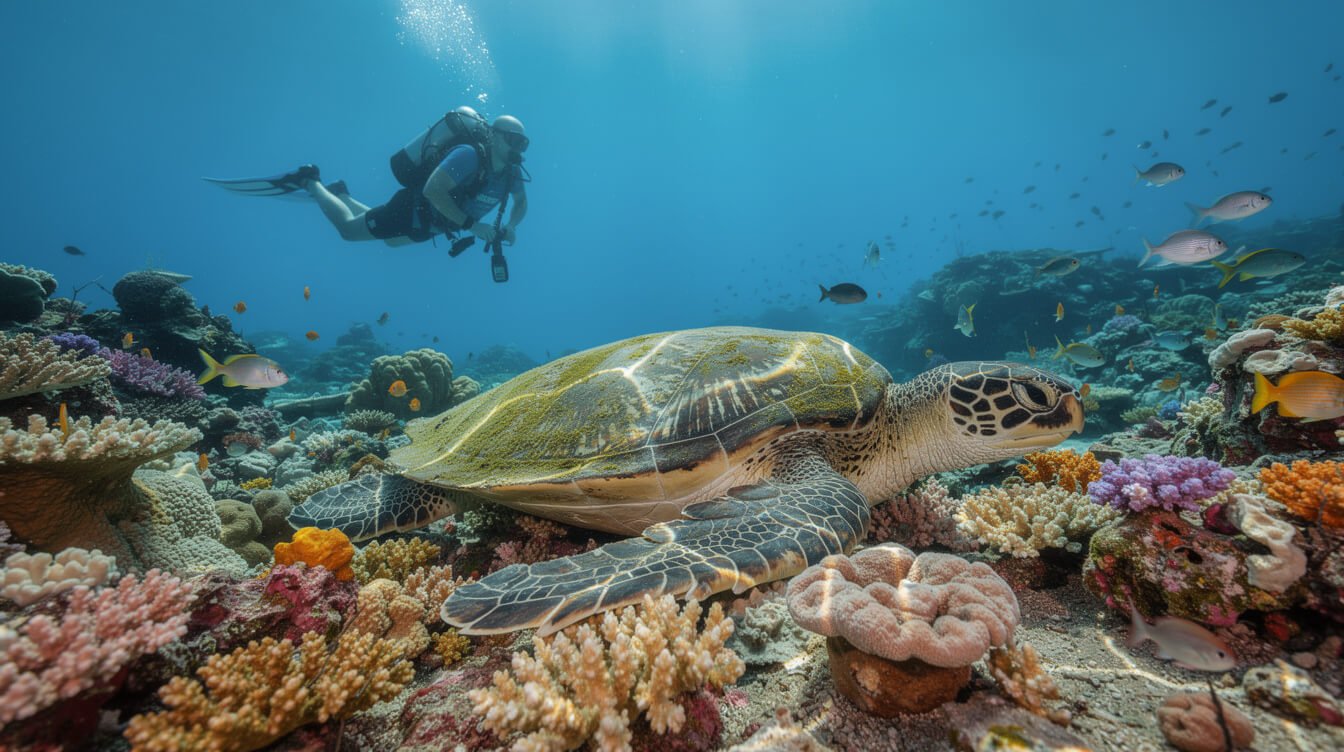
This isn’t a suggestion list, and it isn’t us being precious about it. Getting this wrong is the fastest way to hurt an animal, damage a reef that took centuries to grow, or ruin someone else’s dive on the same site.
Honu (green sea turtles) and monk seals are protected species under federal and state law. Keep your distance — roughly ten feet is the standard most operators teach — and never chase, touch, or position yourself between one and the surface it needs to breathe. A closer photo isn’t worth a stressed animal, and it isn’t worth the fine either.
Reef-safe sunscreen is Hawaiʻi law, not a brand preference. Oxybenzone and octinoxate are banned from sale here because they damage coral even in small concentrations, so check the label on your bottle before you pack it, not once you’re already on the boat with no alternative.
Buoyancy over everything. A fin kick that clips coral can undo decades of growth in a second, and Hawaiʻi’s reefs are already dealing with bleaching stress without divers adding blunt-force damage on top of it. If your buoyancy isn’t fully dialed in, do a check dive over sand before you drop onto any reef site on this list — every operator we’d recommend will happily let you do this.
None of this makes the diving less fun. It’s the difference between a reef that’s still this good for the next diver who visits, and one that quietly isn’t anymore.
FAQ: what divers actually ask before booking Hawaii dives
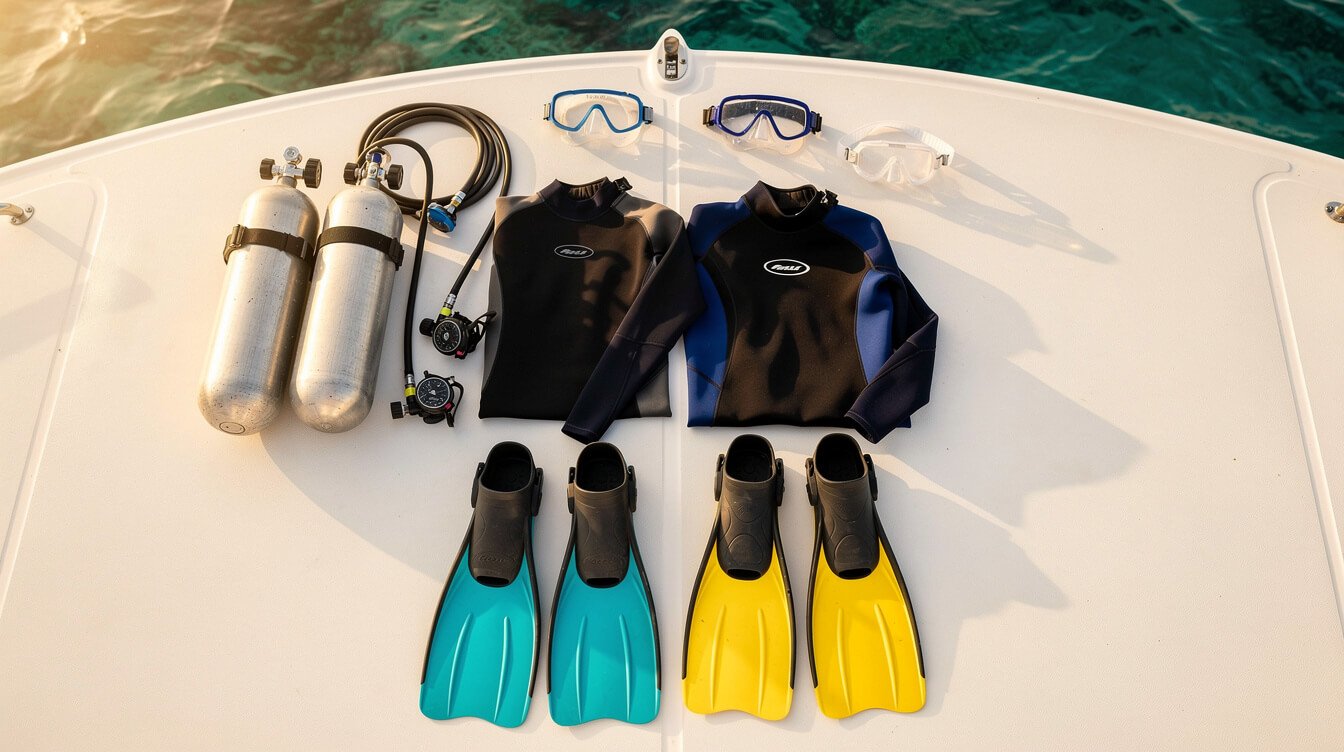
Do I need my own gear?
No. Every site on this list is served by operators who rent full gear, including wetsuits. Given how warm the water runs, most divers get by with a 3mm suit rather than anything heavier, though bring your own mask and boots if you have a fit you trust.
Can a newer diver really do the manta ray night dive?
Yes, with the right operator. Most run it with a shallow, Open Water-friendly group and a separate Advanced group at depth — ask specifically which one you’d be in, since the experience and the current exposure differ between them.
Is the trip out to Niʻihau worth it?
If you’re already an experienced diver visiting Kauai in summer, yes. It’s a long boat ride, only runs when conditions allow, and the currents are genuinely strong. It isn’t on our top six because it’s a different tier of commitment altogether, not because the diving itself is worse — if anything, it might be better, just for a narrower group of divers.
What’s the single biggest mistake first-time Hawaii divers make?
Booking based on the prettiest photo instead of asking what their actual certification and comfort level supports. The sites on this list are ranked by quality, but the right one for you is the one that matches where you actually are as a diver, not where you’d like to be.
How much does a two-tank dive trip run?
Expect somewhere in the range of most half-day charter dive trips nationally, with gear rental, tanks, and weights typically included and the manta night dive usually priced as its own add-on trip rather than folded into a daytime charter. Prices vary enough by operator and island that we won’t pretend to quote you an exact number — call and ask what’s actually included before you book, since “gear included” means different things from one shop to the next.
Should I book a shore dive or a boat dive?
Honolua Bay and a handful of Kona sites work fine as shore dives if you’re comfortable navigating your own entry and exit over reef or rock. Everything else on this list — Molokini, Cathedrals, the Oʻahu wrecks, Sheraton Caverns — is realistically a boat dive. If a shop offers a shore option for one of those, ask why before you take it; it’s usually a sign of a longer surface swim than you’d want.
If the ocean is half the reason you love these islands, we get it. We make Hawaiʻi designs a local would actually wear — real island, done right, never touristy. Browse the shop, or if you’re planning the rest of the trip, check out our take on the best snorkeling on Maui for the days you’re not tanked up, or the best beaches on the Big Island for topside time around your Kona dives.
Final thoughts: dive the site, not the island’s reputation
The best scuba diving in Hawaii was never really an Oʻahu-versus-Maui-versus-Big-Island argument — it’s a handful of specific sites scattered across four islands, each one earning its spot for a different reason. Book the Kona manta dive if you want the single encounter of your trip. Book Molokini’s backwall or Sheraton Caverns if you want the dive itself to be the whole story. Match the site to your certification honestly instead of your ego, respect the honu and the reef like they’re someone else’s house — because they are — and you’ll come home with the trip you actually planned for, not the one you talked yourself into on a dive shop’s sales pitch.
Get the real island guides
One good island thing at a time — honest local beaches, food, and dives, straight to your inbox. No tourist cheese. Come, stay a while.