Best Snorkeling on Maui: A Local’s Honest Ranking (Honu Rules Included)
Ask five different people for the best snorkeling on Maui and you’ll get five different answers, because most of them are ranking beaches by the postcard, not the water. We’re ranking by what’s actually under the surface — reef health, honu odds, water clarity on a normal day (not the one perfect photo you saw on Instagram) — and by how the spot treats the ocean once you get in it. This is a local’s honest ranking, wind-smart advice for when Maui does what Maui does, and the honu rules that matter more than any of it.
If you only read one section, read the one on reef respect. Everything else here is just directions.
How we rank the best snorkeling spots on Maui
Most lists rank by “prettiest beach.” We rank by four things, in this order:
- Water clarity on an average day. Not the calm-morning, no-wind, once-a-month day. What you’ll actually see when you show up.
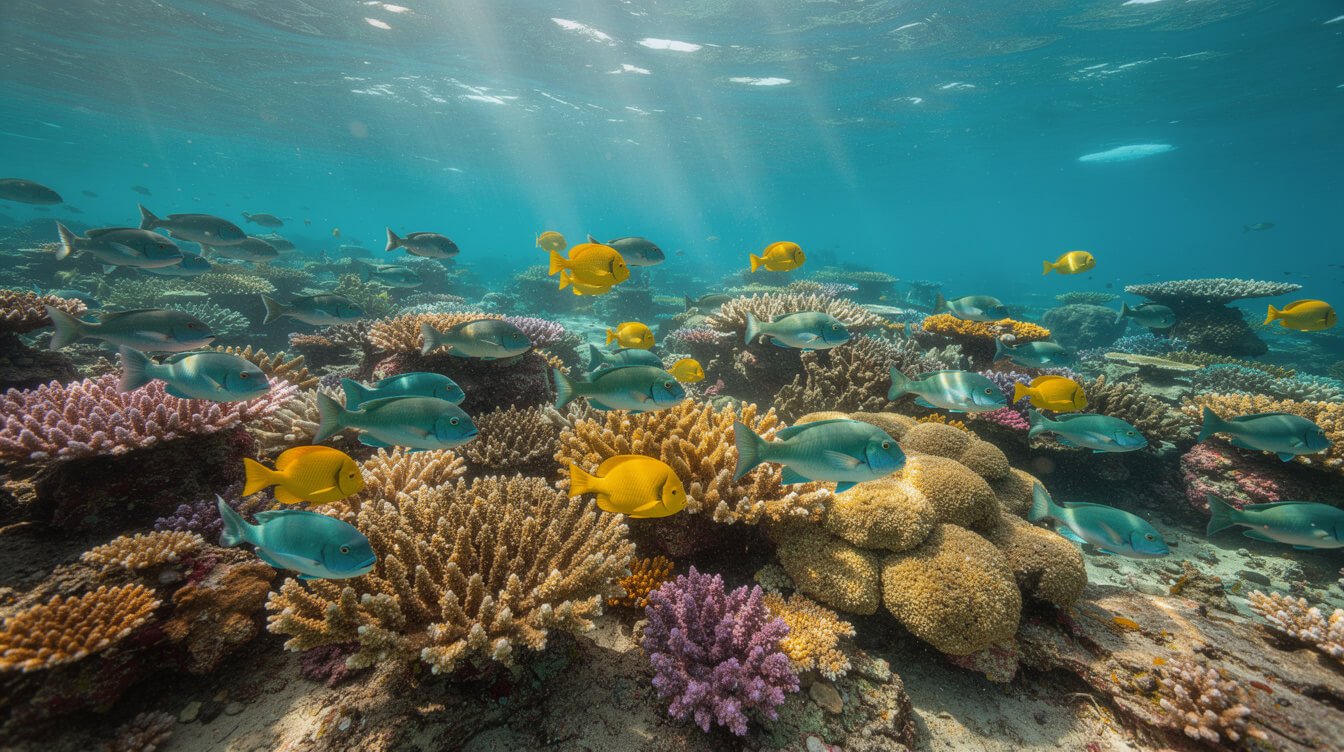
- Reef health. Live coral, not the bleached rubble some spots are still recovering from. A spot with dead coral and one lonely parrotfish doesn’t rank high just because it’s easy to reach.
- Honu odds. Realistic, not promised. Anyone guaranteeing turtles is selling something.
- Crowds. A gorgeous reef with eighty people standing on it isn’t a good spot anymore. We factor in what a normal Tuesday looks like, not what the beach looks like on a cruise-ship day.
We also don’t pretend Maui’s reefs are what they were twenty years ago. Bleaching events over the last several years hit the cauliflower coral especially hard in spots, and you’ll see patches of dead rubble even at the good beaches. That’s part of why the ranking rewards protected water — Marine Life Conservation Districts and no-take zones are recovering faster than the open-access spots, and it shows in the water every single time.
One more thing before the list: this is a shore snorkel ranking. If you want to talk about Molokini — the sunken crater a few miles offshore with the famous fifty-foot visibility — that’s a boat trip, not a beach day, and it deserves its own conversation. Worth doing once, especially if you’ve never seen water that clear, but it’s not what this guide is about. Same goes for Lānaʻi day-trips out of Lahaina harbor — different budget, different logistics, different post.
The top 3 shore snorkel spots on Maui, ranked
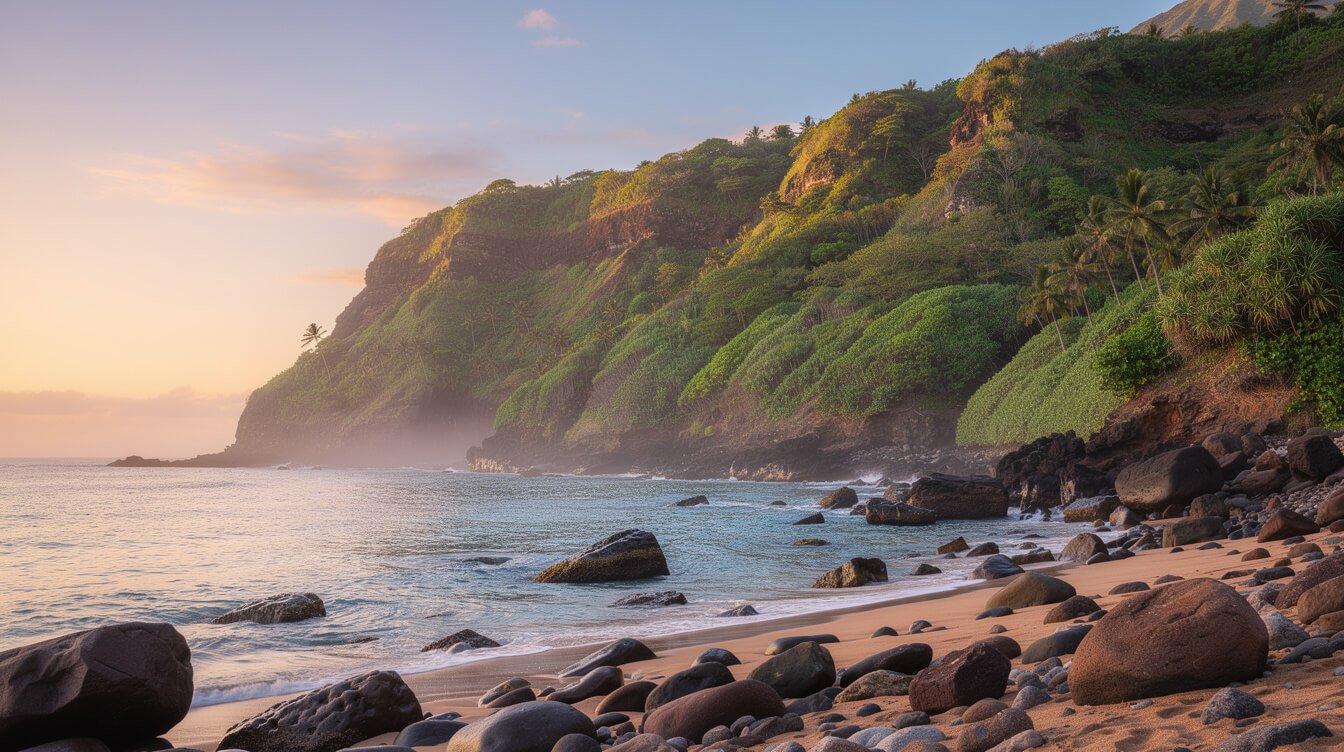
1. Honolua Bay
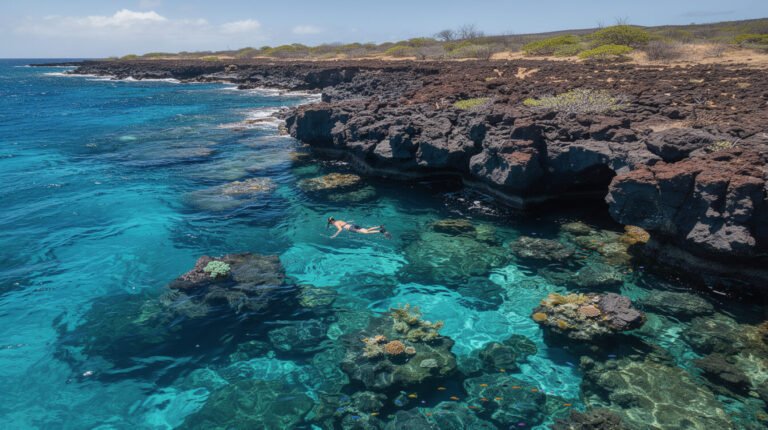
Honolua sits inside a Marine Life Conservation District on the island’s northwest corner, which is the entire reason it wins. No fishing, no taking anything out of the water, decades of protection — and the reef shows it. On a clear, calm morning the coral cover here is the best of anything reachable from the sand, and the fish life matches it: parrotfish grazing in numbers, unicornfish, needlefish holding at the surface, and the occasional white-tip reef shark cruising the deeper edge without bothering anyone.
The drive up is part of the deal — past Kapalua on the two-lane road, down a short dirt path through the trees to a rocky beach with no sand to speak of. There’s no lifeguard, no facilities beyond a portable toilet in the lot, and the entry over rocks is awkward at low tide, so reef shoes aren’t optional here the way they might be elsewhere. The catch, and it’s a real one: Honolua is a valley-mouth bay, so after heavy rain the runoff turns it brown for days. Go early, go on a dry stretch, and check conditions before you drive up — locals will tell you straight that showing up to brown water after a rainy week is the single most common Honolua disappointment.
2. Maluaka Beach (Turtle Town)
South Maui, past Wailea and Makena, and worth the extra drive. Turn onto Makena Road when you’re heading south and follow it past the old resort site to the beach access lot — the parking isn’t obvious from the main road, which is half of why this spot stays calmer than its reputation suggests. Locals still call the whole stretch “Turtle Town” for a reason — the honu odds here are the best on the island, shore access included. Enter near Makena Landing, by the boat ramp, and swim south along the rocks and reef; that’s where the boat tours idle to watch turtles, and you can get the same view without a boat, just a longer swim.
It’s calmer water than Honolua on most days, sandier entry, more forgiving for a first-timer, and the lot rarely fills before mid-morning. Bring a dive flag or stick close to shore if you’re not a confident swimmer — this is also where the tour boats idle, and you want to be visible.
3. Kapalua Bay
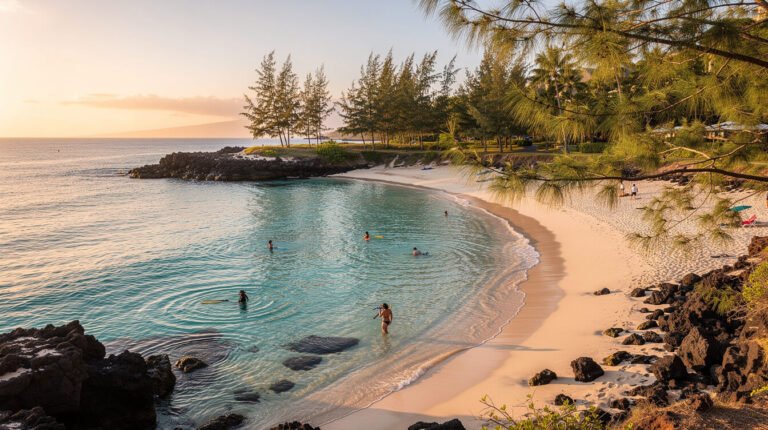
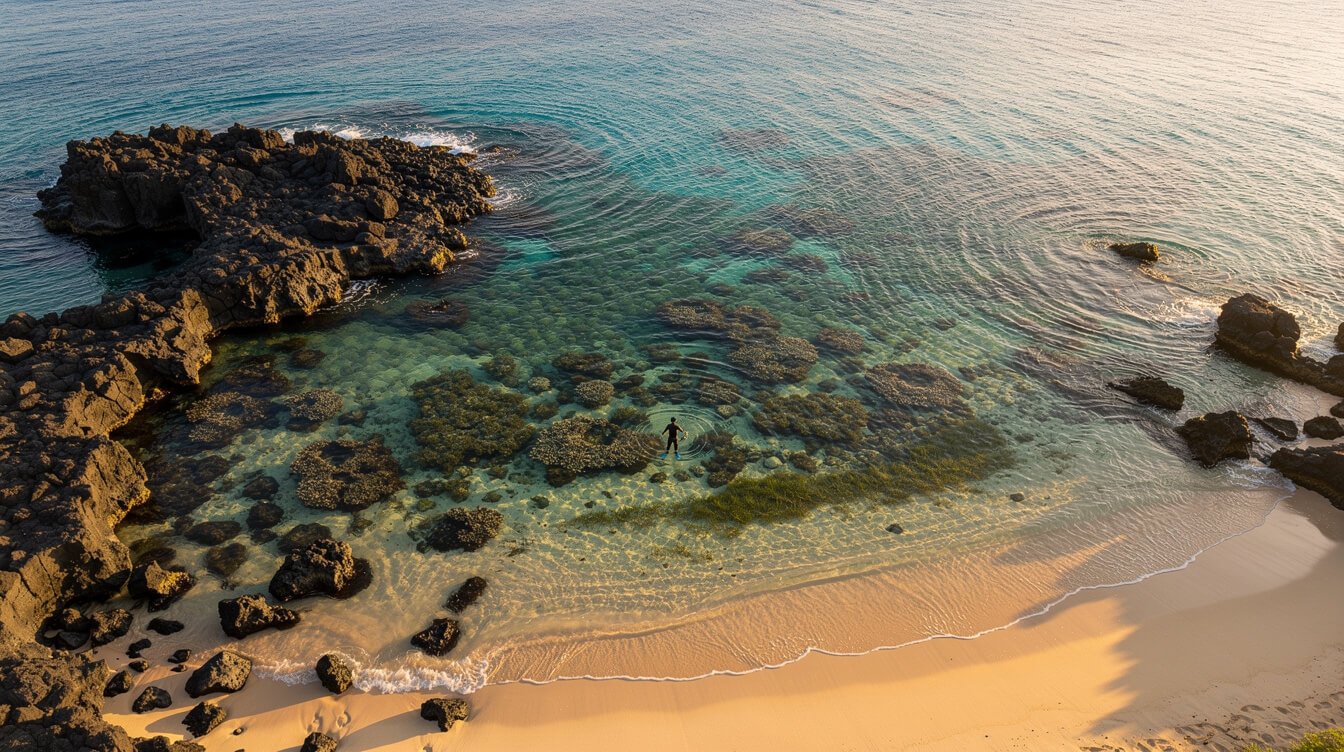
The gentler cousin to Honolua, ten minutes south on the same coastline. Kapalua is a scooped, sheltered bay with a lava-rock point on each end that knocks the swell down before it reaches the sand — which makes it the pick for anyone snorkeling with keiki or anyone who just wants an easy, no-drama entry. There’s a paid public lot a short walk from the beach and actual sand to walk in on, which after Honolua’s rocks feels like a luxury.
The reef isn’t as dense as Honolua’s, but it’s healthy, the fish are used to people (yellow tang, moorish idol, the occasional octopus tucked in a crevice if you look slow and close), and on a west-swell day when Honolua is blown out and murky, Kapalua is often still calm. That’s not an accident — it’s the next section.
Wind-smart: where to snorkel when Maui’s blowing
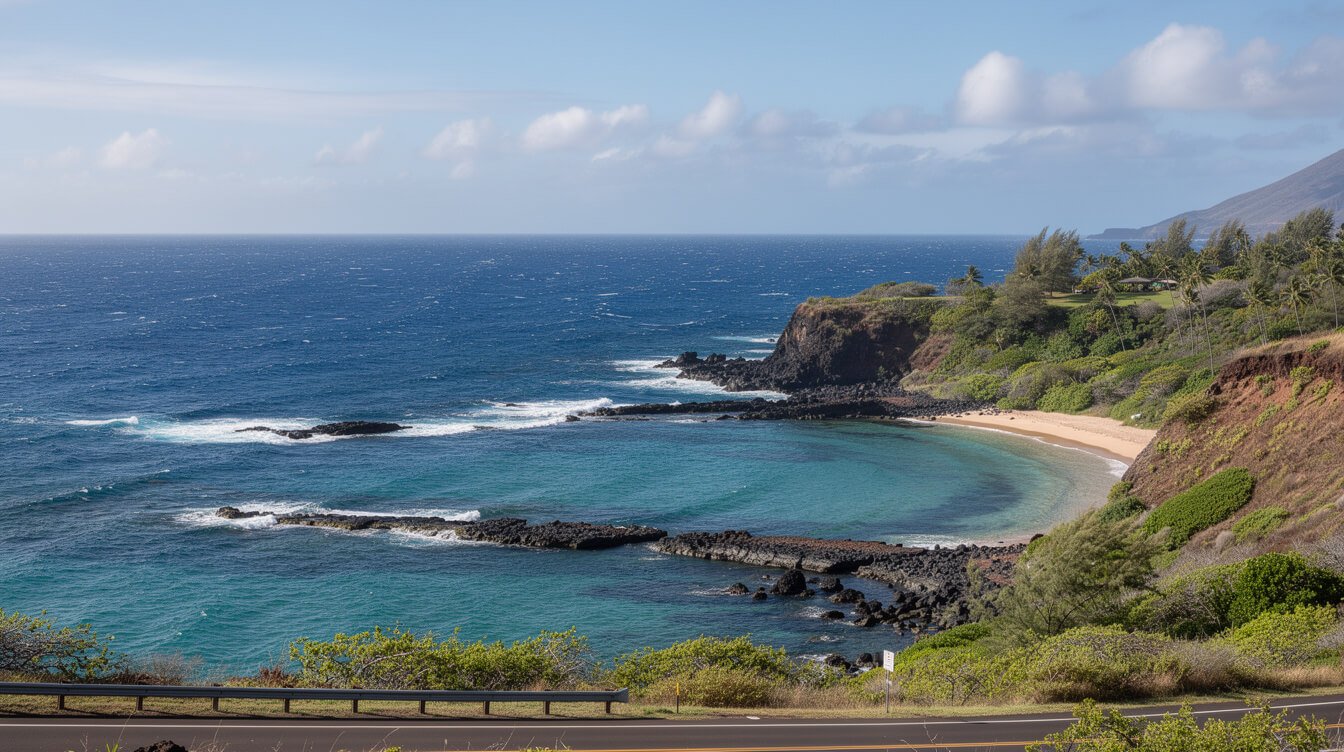
This is the part every outsider list skips, and it’s the difference between a good day and a wasted one. Maui’s trade winds pick up most afternoons, and the west side isn’t uniformly protected — some bays hold up, some turn to chop by 11am.
- Trade winds (the normal pattern, blowing from the northeast): West-side spots — Kapalua, Napili, Honolua, Black Rock — stay relatively sheltered because the island itself blocks the wind. Go anytime, but mornings are still calmer than afternoons.
- Kona winds (rare, blowing from the south/southwest): This flips the script. West-side bays get exposed and choppy, and south-side spots like Maluaka and Poolenalena become the better call.
- General rule locals use: Go early. Trade winds build through the day almost every day, protected bay or not. An 8am entry beats a 1pm entry at literally every spot on this list.
Check a live wind report before you drive — it’s a five-minute check that saves an hour of driving to a blown-out bay. A rough guide: anything under 10 knots is a good window almost anywhere on this list; 15-20 knots means stick to the most sheltered bays (Kapalua, Maluaka); above 20, expect chop and reduced visibility even at the protected spots, and consider calling it a beach day instead of a snorkel day.
Honu etiquette and reef respect (non-negotiable)
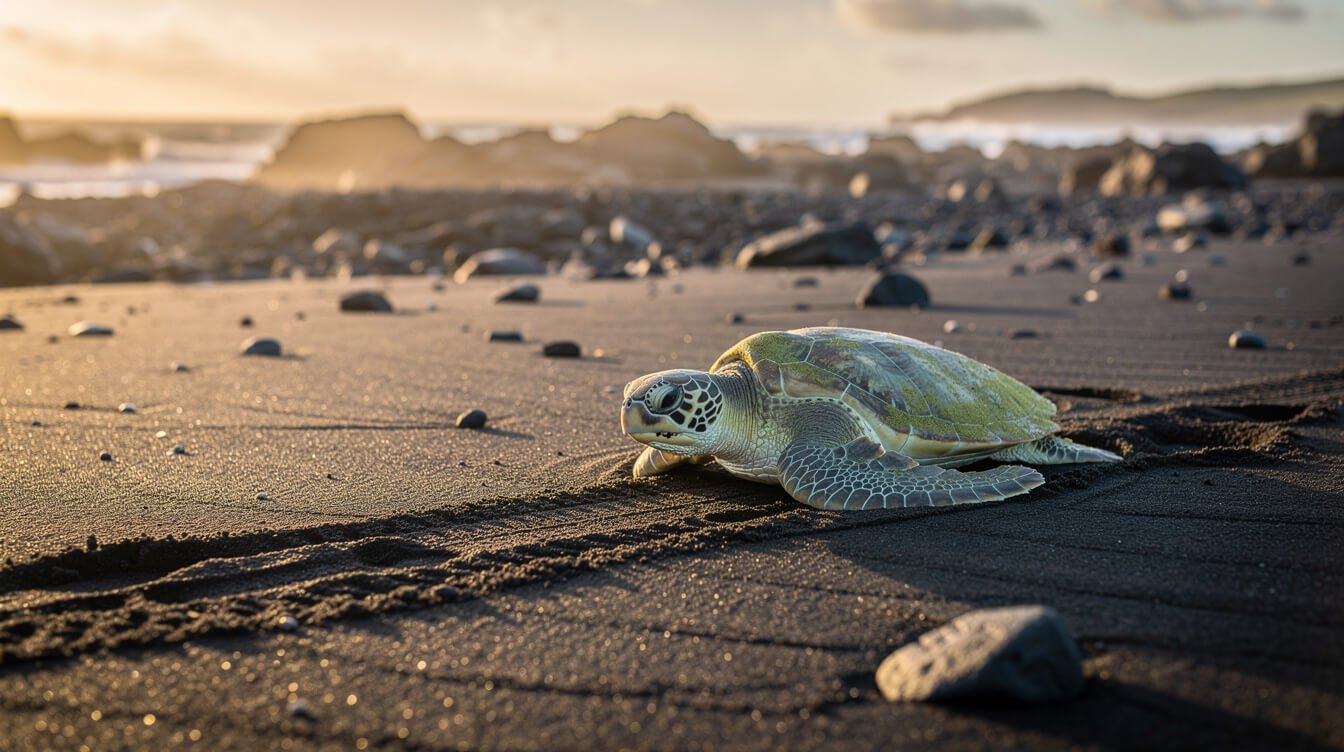
This is the part every tourist-brochure list treats as a footnote. We’re not doing that.
Honu are protected. Green sea turtles are protected under federal and state law — it’s illegal to touch, chase, or crowd one, full stop. The guidance is to stay back at least ten feet and let the turtle set the distance, not you. If a honu is hauled out resting on the sand, that’s normal turtle behavior, not a stranded animal — give it room and keep moving.
Reef-safe sunscreen is the law, not a suggestion. Hawaiʻi banned the sale of sunscreens containing oxybenzone and octinoxate because they damage coral even in small concentrations. Buy mineral (zinc oxide or titanium dioxide) sunscreen before you go, or better, wear a rash guard and skip sunscreen on the parts it covers.
Never stand on coral. Not to rest, not to take a photo, not “just for a second.” Coral is a living animal that takes decades to grow back from a single footstep. If you need to stand, find sand or bare rock — and if you can’t find either, tread water. Fins that stir up sand aren’t a big deal; fins that scrape coral leave a scar that outlasts your whole trip.
Skip the gloves and the “just a light touch.” Dive gloves are actually restricted in a lot of Hawaiʻi marine protected areas precisely because they make people more likely to grab onto reef. If you wouldn’t touch it bare-handed, don’t touch it gloved either. The same goes for standing on the sand to fix your mask right at the reef edge — walk a few feet further out first.
If you see a turtle that looks hurt, tangled, or genuinely stranded (not just resting on the sand, which is completely normal honu behavior), keep your distance and report it rather than approaching to help — well-meaning people getting close to “assist” an animal is one of the most common ways the ten-foot rule gets broken.
None of this is us being precious about it. This is the whole reason Honolua looks the way it does and other spots don’t — protection works, and it only works if everyone treats the reef like it’s alive, because it is.
If this is the kind of respect-the-ocean thinking that matches how you already move through the water, our honu-and-reef designs made by people who actually dive these spots are built around exactly this ethic — not a cartoon turtle on a tourist rack.
Turtle spots without the crowds (and the ones we skip now)
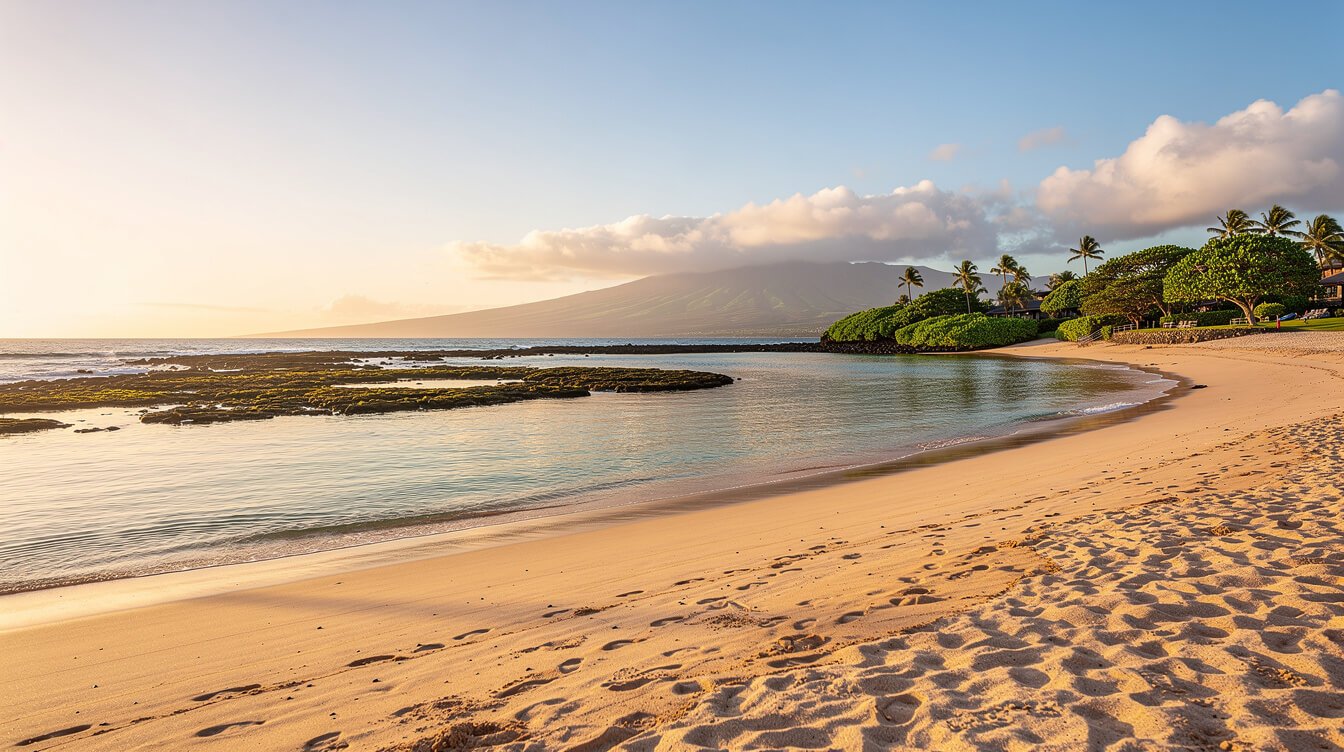
Maluaka gets the reputation, but it also gets the crowds by mid-morning. A few quieter alternatives that still deliver honu:
- Kahekili Beach Park (north of Kaʻanapali): Locals call the reef here “Turtle Reef” for the cleaning stations just offshore, where honu line up to get parasites picked off by tang fish. Easy sand entry, county lifeguard on duty, and noticeably fewer people than Kaʻanapali proper a quarter mile south.
- Poolenalena Beach: South Maui, past Wailea, quieter than Maluaka but close enough to share some of the same turtle traffic. Good sand entry and a shallow, forgiving reef shelf.
- Black Rock (Kaʻanapali): Convenient — it’s the beach in front of the Sheraton — and turtles do cruise the rocky point, but it earns a caution flag: cliff-jumpers, stand-up paddlers, and heavy snorkeler traffic all share the same tight patch of water. Go at sunrise or skip it on a busy day.
- Napili Bay: One bay south of Kapalua, similarly sheltered, similarly good for beginners. The reef starts shallow right off the sand, and it’s a favorite spot to watch honu surface from the rocks on either side of the bay without even getting in the water — good option if someone in your group isn’t up for swimming.
One we skip now, on purpose: the keiki pond at ʻĀhihi-Kīnau Natural Area Reserve. It’s been closed since 2008 to let the reef recover from decades of overuse, and it’s still closed. We’re not going to list it as a “hidden gem” — respecting a closure sign is the same mālama ʻāina point as everything else in this article, so we leave it alone and you should too.
Conditions by season and real ocean safety
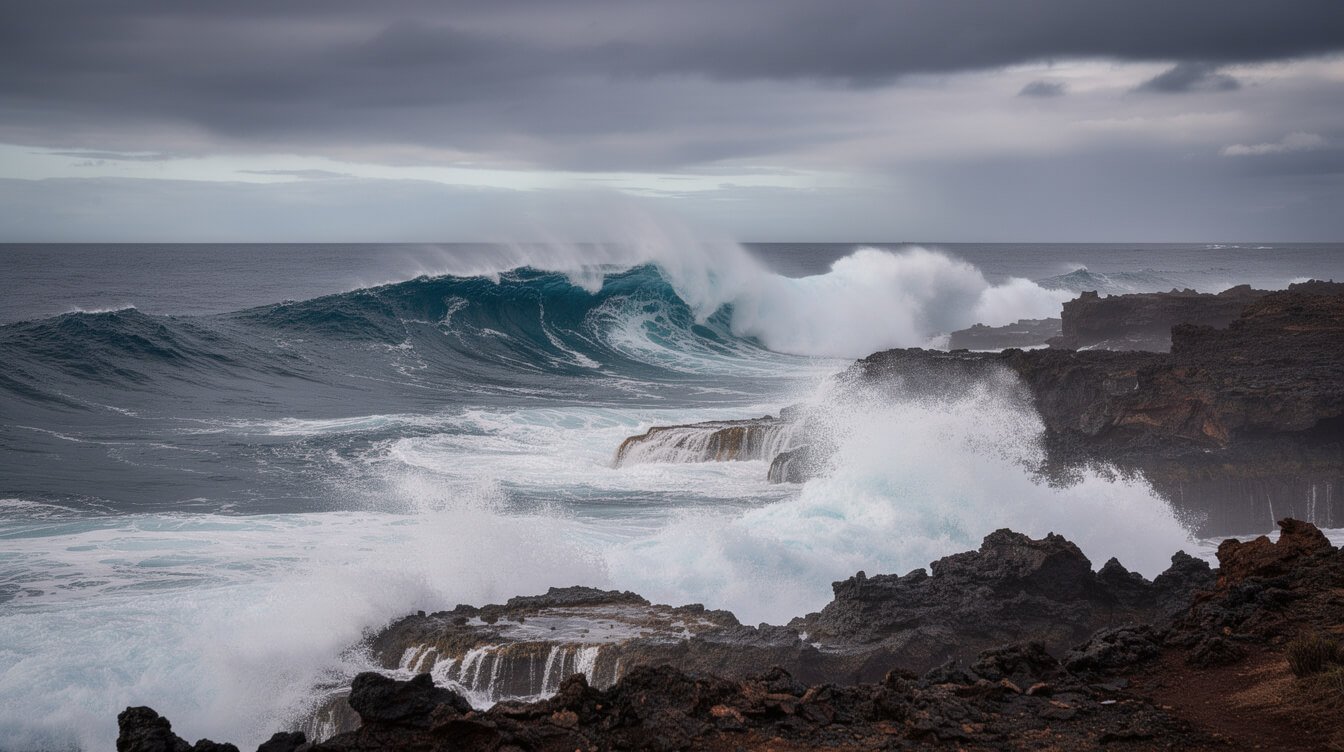
Summer (roughly May–September): Calmer south and west shores overall, more consistent trade winds. Prime window for most of the spots on this list, Honolua included.
Winter (roughly November–March): Big north swells hammer the north-facing coastline — Honolua and Napili can turn dangerous and murky with almost no notice when a north swell arrives, sometimes overnight. South-side spots like Maluaka and Poolenalena hold up better this time of year and become the default recommendation. If the sand looks churned up, the water’s brown at the shoreline, or you see whitewater breaking across the bay mouth, that’s not a snorkel day — go get shave ice instead and try again tomorrow.
Shoulder seasons (April and October): The most underrated window. Swells are transitioning, crowds are thinner than summer, and you can often get a Honolua or Napili morning with nobody else in the water.
One more seasonal note nobody puts in the brochures: Hawaiʻi does get box jellyfish, and they tend to show up along leeward shores roughly eight to ten days after a full moon, in bigger numbers than the rest of the month. It’s not something to build a whole trip around, but if you’re a sting-sensitive swimmer, checking the moon calendar before a big snorkel day is a real local habit, not superstition.
A few things that matter more than which beach you pick:
- Currents and rip currents: If you’re getting pulled sideways along the shore, swim across the current toward the beach, not straight against it. Fighting straight back against a rip is how strong swimmers get tired fast.
- Shorebreak: Waves that break directly on the sand cause more visits to Maui’s urgent cares than anything in the water. Watch a full set before you walk in, especially at Black Rock and Napili, and time your entry for the lull.
- Never stand on coral to catch your breath — see the section above. It bears repeating because it’s the single most common way well-meaning snorkelers hurt a reef.
- Snorkel with a buddy and know your own limits before the wind or current tests them for you, not after.
Gear, and getting in without wrecking the reef
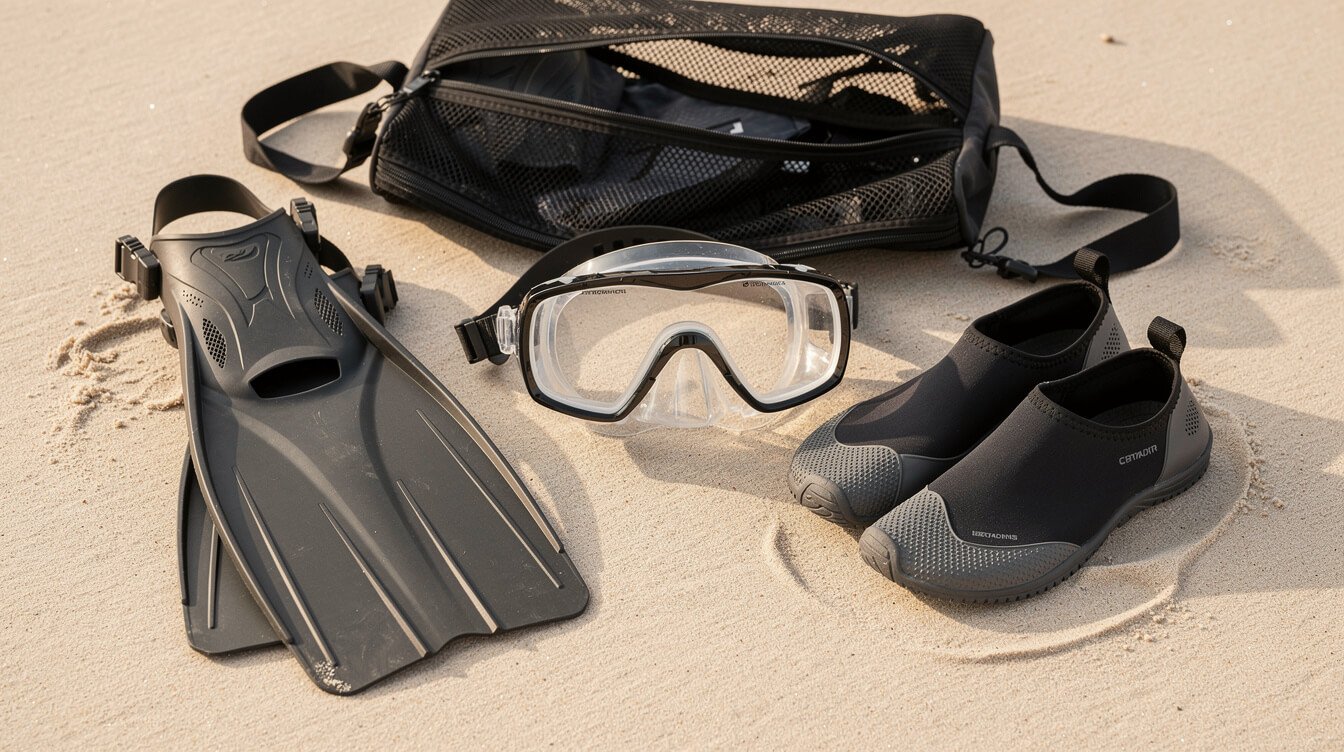
You don’t need much. Mask, snorkel, fins if you want them (not required at most of these gentle bays), reef-safe mineral sunscreen or a rash guard, and reef shoes for the rockier entries at Honolua and Black Rock. Renting for the week from a local shop — most towns on the west side have one — beats flying with your own gear stuffed in a suitcase, and it means you’re not tempted to grab a coral head to steady yourself with a fin you’re not used to.
A short packing list that covers every spot on this list: mask and snorkel, reef shoes, mineral sunscreen (zinc, not chemical), a rash guard if you burn easy, a mesh bag to keep sand out of your car, and a dry bag for your phone if you want photos. Skip the disposable underwater camera — the water clarity at most of these spots rewards a real housing or a waterproof phone case far more than it rewards a $20 drugstore camera.
On entry: walk in at sand, not reef. If the only way in looks like it’s over live coral, that’s the wrong entry point — walk down the beach until you find sand or bare rock, even if it takes an extra five minutes. A flotation belt is a smart call if you’re not a strong swimmer or you’re snorkeling alone, and it keeps you higher in the water, further from the coral below, which protects both you and the reef at the same time.
FAQ: best snorkeling on Maui, answered
What’s the single best beach for a first-time snorkeler?
Kapalua Bay. Sheltered, sandy, gentle reef, easy entry — it’s the spot we’d send a nervous first-timer or a family with keiki.
Where are you most likely to see a honu without a boat?
Maluaka Beach (Turtle Town) and Kahekili Beach Park both have consistently good odds. Neither is a guarantee — they’re wild animals, not a tank.
Do I need a tour, or can I snorkel from shore?
Every spot on this list is shore access, free, and doesn’t require a tour. Molokini is the one exception worth a boat trip, but it’s a different kind of day.
Is reef-safe sunscreen actually required?
Yes — Hawaiʻi law bans the sale of sunscreens containing oxybenzone and octinoxate specifically because of coral damage. Buy mineral sunscreen or wear a rash guard.
When’s the best time of year to go?
Summer for the most consistent conditions across the whole list. Winter still works, but lean south-side (Maluaka, Poolenalena) when a north swell is running. April and October are the sleeper picks if you want the calm water without the summer crowds.
Is Molokini worth the boat trip?
Yes, once — the visibility inside the crater is genuinely unlike anything reachable from shore. Just don’t expect a boat tour to replace the shore spots on this list; it’s a different kind of day, with its own crowds and its own cost.
What if I see a turtle that looks hurt or stranded?
Keep your distance — resting on the sand is normal honu behavior, not a sign of trouble. If something genuinely looks wrong (visible injury, entanglement, distress), don’t approach to help. Note the location and alert a lifeguard or local dive shop rather than getting closer yourself.
Final thoughts: go slow, look close
The best snorkeling on Maui isn’t the spot with the most Instagram tags — it’s the one where the reef’s still alive enough to be worth looking at in the first place. Start with Honolua on a calm morning, keep Kapalua in your back pocket for a windy day, give the honu their ten feet, and leave the reef exactly how you found it. That’s the whole list, really: go slow, look close, don’t touch anything.
Planning the rest of the trip? Our honest ranking of where locals actually eat in Honolulu covers the Oʻahu leg if you’re island-hopping. And if you want a shirt that says you actually know the difference between a tourist shirt and the real thing, the shop is right here — no pressure, just good design made by people who dive these same bays.