Secret Beaches on Oahu, Ranked (Not Kualoa’s Paid Tour)
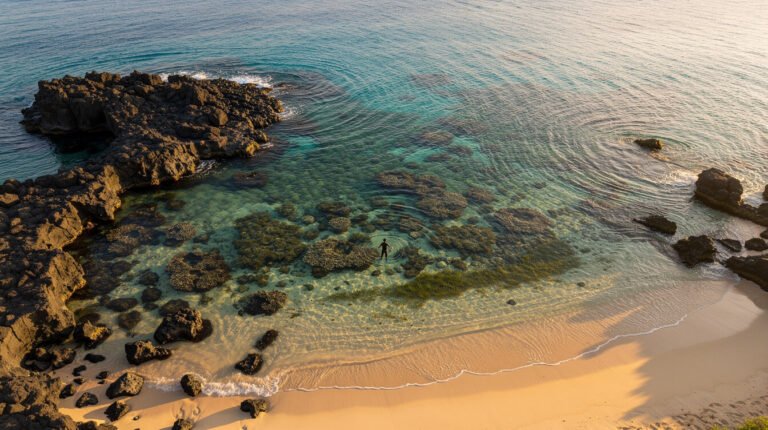
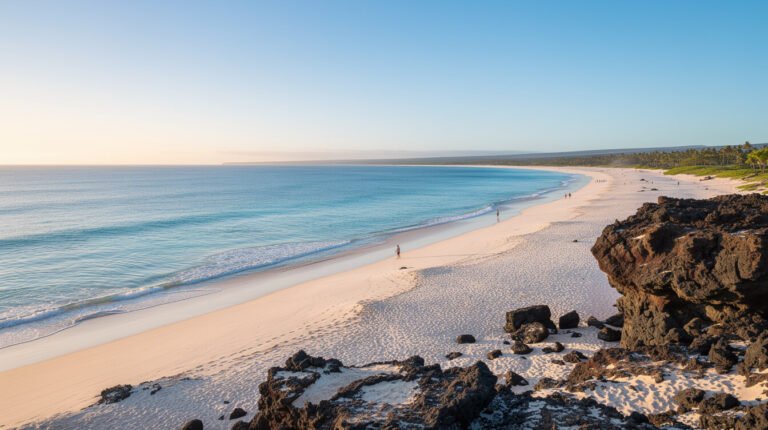
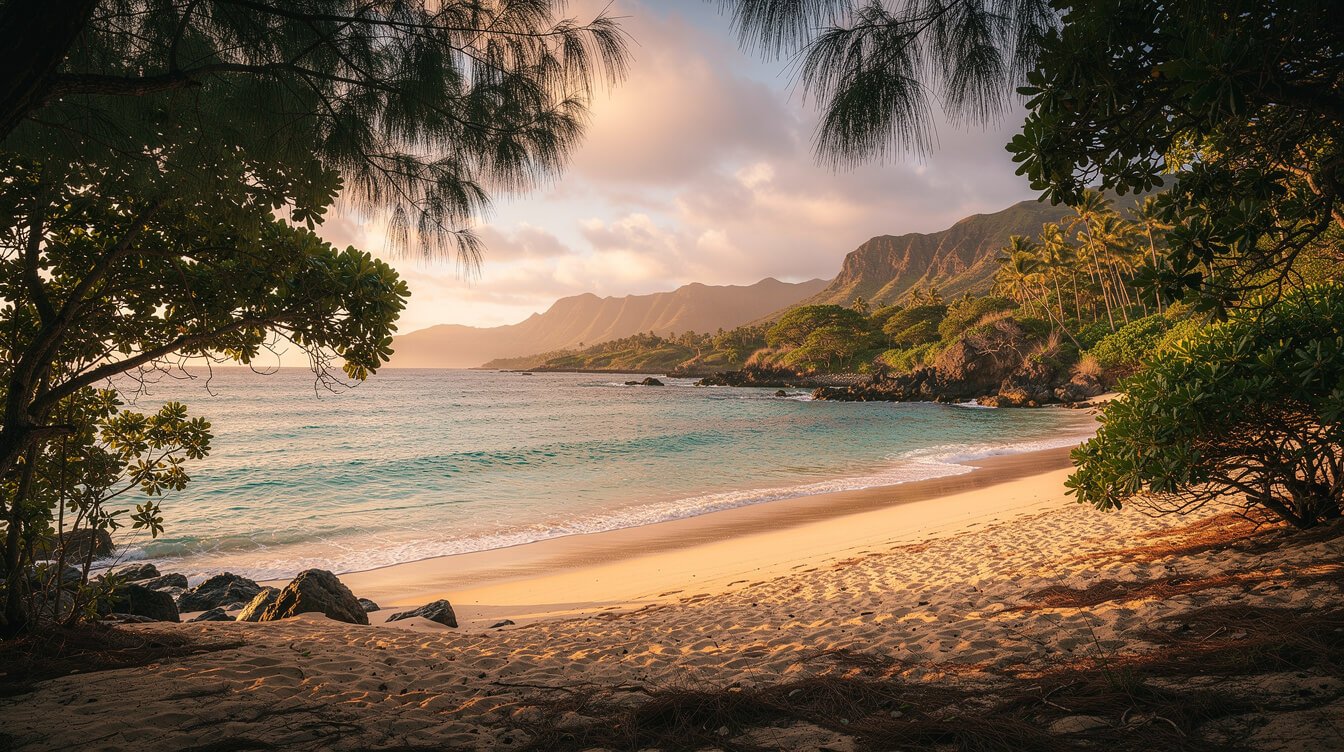
Type “secret beach oahu” into Google and every top result points you to the same place: a Kualoa Ranch tour bus ticket. That’s not a knock on Kualoa — it’s a real working ranch and the boat ride is fun — but calling a paid, scheduled attraction a “secret” is marketing, not geography. The actual secret beaches on Oahu are free, they don’t require a reservation, and most of them are a short walk from a public parking lot that half the island already knows about. This is the honest version: five real spots, ranked, with the access details, the “who it’s actually for,” and the safety notes the brochure won’t give you.
The truth about “secret beach” searches on Oahu
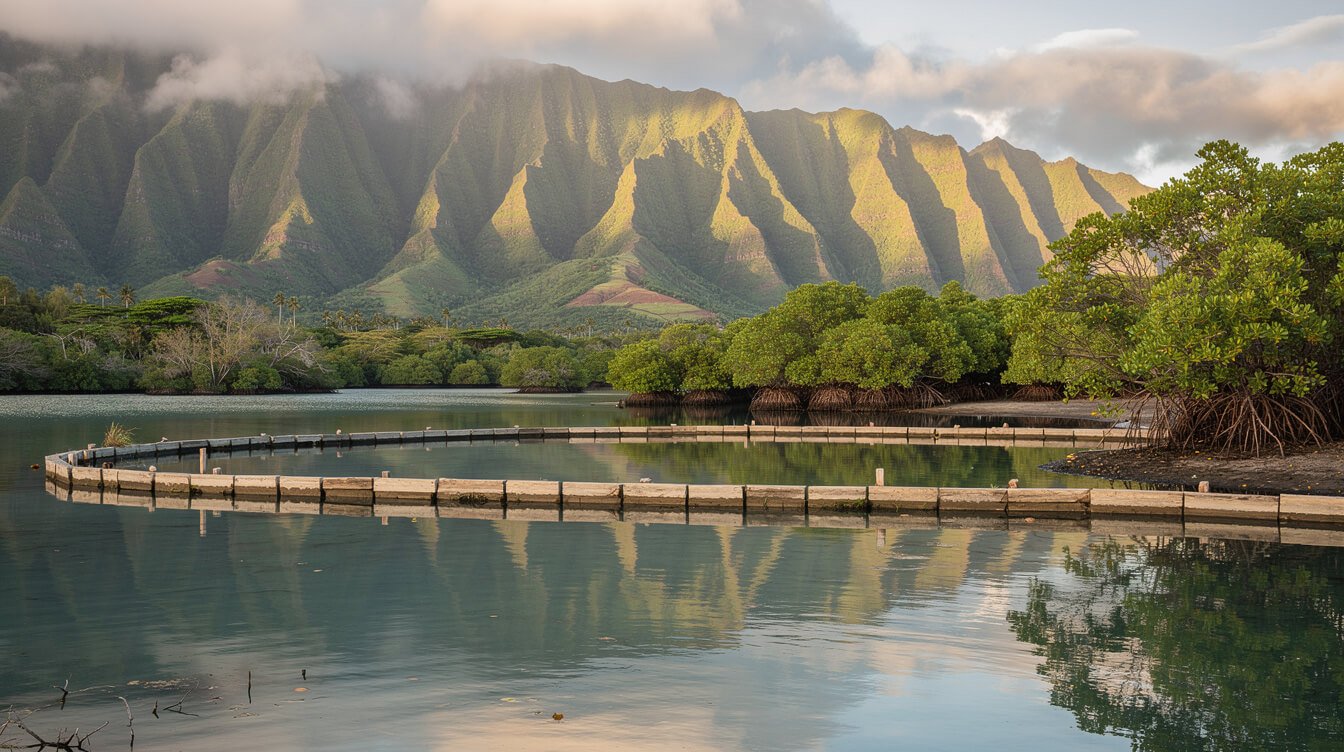
Here’s what’s actually on the other side of that Kualoa Ranch “Secret Island Beach Adventure”: a narrow spit of land in Kāneʻohe Bay, reached by boat across the ranch’s fishpond. It’s real, it’s pretty, and the mountain views are legit — Kualoa Ranch has been running movie shoots, ATV tours, and horseback rides across that valley for decades, and the beach add-on is a genuinely nice capstone to a day there. It is also a commercial tour product with a set schedule, a ticket price, and a crowd that thins out around 3pm when the last tour group heads back. None of that makes it a secret — it makes it an add-on to your Kualoa Ranch day, which is a fine thing to book, just not the thing to book if what you actually want is an empty beach.
Worth knowing too: Kualoa itself isn’t just a pretty backdrop. Long before it was a movie-tour ranch, this ahupuaʻa (land division) was one of the most storied places on Oʻahu — a seat of aliʻi (chiefs), and by tradition a place of such standing that passing canoes would lower their sails out of respect. That history is worth more than the zipline, honestly, and it’s part of why we’d rather point you toward a real, quiet corner of this same coastline than a ticketed add-on.
The beaches locals actually mean when they say “secret beach” are a different category entirely: public county and state parks, free to walk onto, open whenever the gate’s unlocked. They stay quiet not because anyone’s hiding them, but because they don’t have a name that trends on Instagram, they don’t show up on the first page of a rental car company’s “things to do” list, and in a couple of cases the access rules do the crowd control for you. That’s the whole difference, and it’s the one this list is built around.
How we’re ranking these
A beach earns a spot on this list for three reasons: it’s genuinely public and free, it’s genuinely quieter than the beaches everyone already knows (Waikīkī, Lanikai, Kailua), and there’s a real reason it stays that way — distance, a name that scares off casual searchers, limited access days, or just not being pretty enough for a postcard while still being plenty pretty enough for an afternoon. We’re not ranking by “most photogenic.” We’re ranking by what you actually get when you show up: space, quiet, a fair trade for the extra effort, and whether it’s actually the right pick for what you’re doing that day — a toddler’s first ocean trip is a different assignment than a solo sunset walk, and we’ve tried to be honest about which is which.
The top 3 — why #1 beats #2
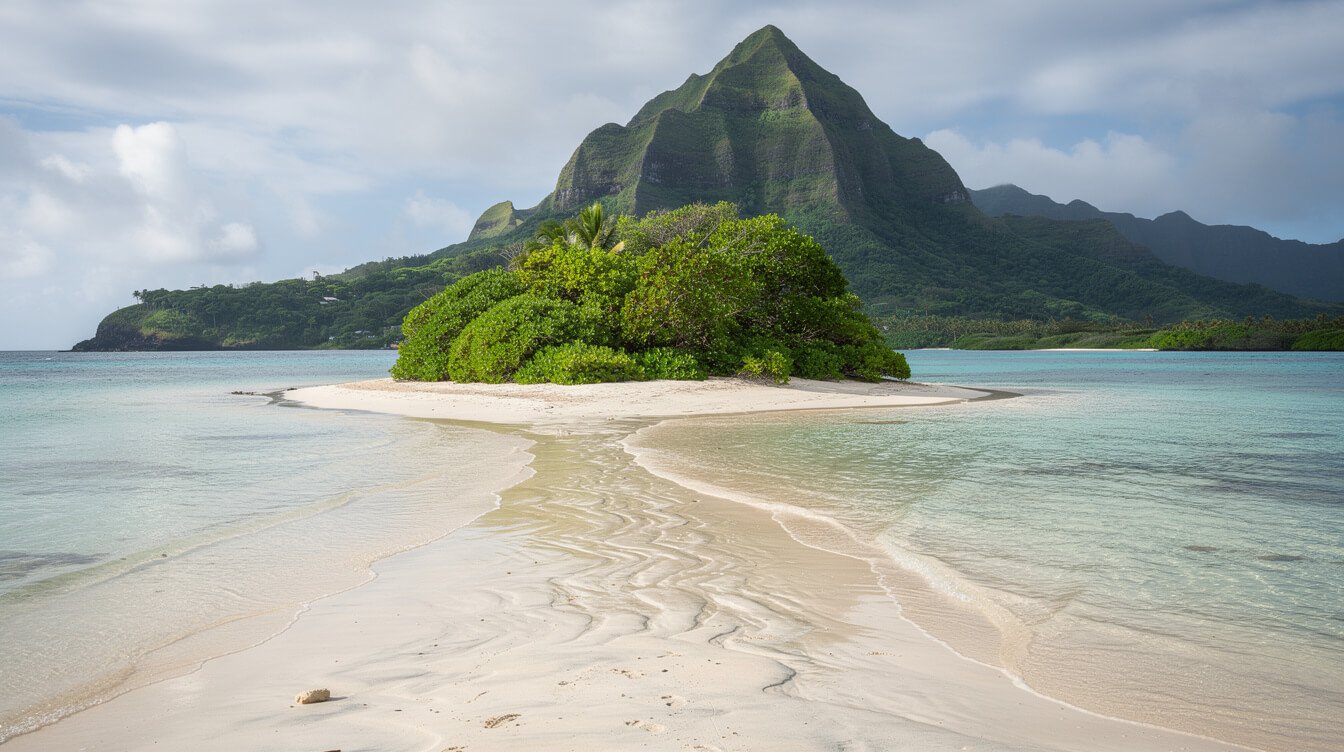
1. Mokoliʻi (the free version of that “secret island”)
This is the direct answer to Kualoa’s paid tour, and it’s a fifteen-minute walk from where that tour departs. Mokoliʻi is the small, forested islet you can see from Kualoa Regional Park — the public county park, not the private ranch next door — sitting just offshore in the bay. In legend it’s the tail of a moʻo (a lizard spirit) slain during the Hiʻiaka cycle of stories, which is where the shape and the name come from; you’ll still see it labeled with an older, less accurate nickname on some tourist maps, worth skipping in favor of the real name.
At low tide, a sandbar shallow enough to wade or swim connects the park’s shoreline to the islet — no boat, no ticket, no reservation. Locals have been doing this for generations. It beats every other spot on this list because it’s not just a quiet beach, it’s an actual destination: you earn the view from the top by timing the tide right, and the payoff (a 360-degree look at Kāneʻohe Bay and the Koʻolau ridge) is a real experience, not a consolation prize for skipping the paid tour. Bring water shoes — the crossing is coral rubble and sharp in spots — and go on a weekday morning if you want the islet close to yourself.
2. Kahana Bay Beach Park
Fifteen minutes up the coast from Kualoa, Kahana Bay is the calm, current-light bay locals bring their kids to when Kailua’s parking lot is full. Shade trees line the sand, the water stays gentle most of the year because the bay is naturally protected by its shape, and there’s a historic fishpond at the back worth a slow look — Huilua Fishpond, one of the old loko iʻa systems that dot this coastline, still visible as a low rock wall curving into the water. There’s covered picnic space and restrooms, which none of the spots ranked below it have. It loses the top spot only because it’s a “good, reliable afternoon” beach rather than a “worth planning your day around” beach — which is exactly why it never gets crowded even on a nice Saturday.
3. Kaiaka Bay Beach Park
Right next to Haleʻiwa, in the shadow of the much more famous Haleʻiwa Beach Park and Aliʻi Beach surf break, Kaiaka Bay gets skipped by almost everyone driving the North Shore loop. Shaded, calm, shallow near shore, and usually close to empty on weekdays — it’s the spot local families use for a picnic when they don’t want to fight for parking in town. There’s a boat ramp at one end and a quieter stretch of grass and sand at the other; aim for the far side if quiet is the whole point. Not dramatic. Just quiet, which on the North Shore is its own kind of rare, and it’s a five-minute drive to real food in Haleʻiwa town once you’ve had enough sand.
The next tier — #4 and #5
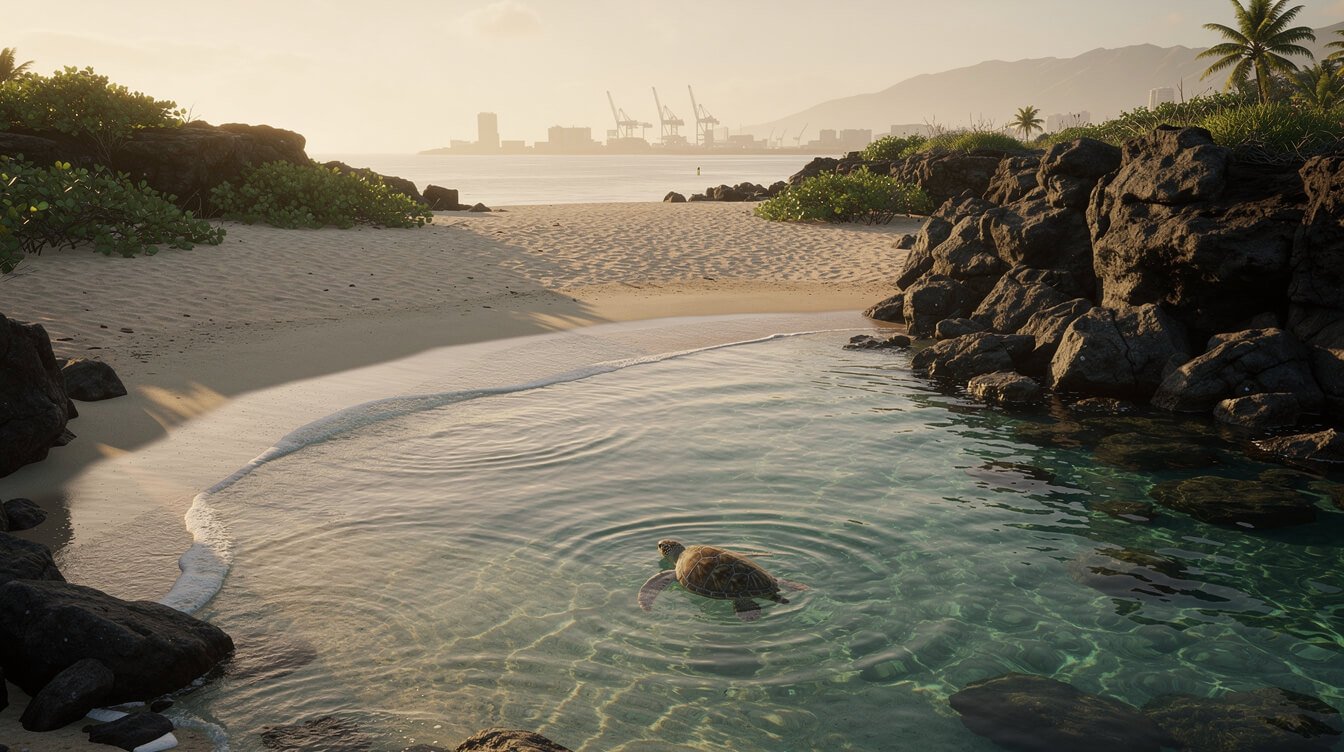
4. Kahe Point Beach Park (Electric Beach)
The nickname comes from the power plant next door, which is exactly why tourists drive past it — and exactly why it stays uncrowded. The plant’s warm-water outflow draws honu (green sea turtles) and reef fish close to shore, which makes this one of the better snorkel spots on the Leeward Coast, industrial backdrop and all. There’s no sand beach to speak of — it’s a rocky shoreline entry, so reef shoes aren’t optional — but the payoff underwater is real. Go on a calm morning; the swell here can turn unfriendly fast when it’s not, and the entry/exit over rocks gets genuinely dangerous with any size wave.
5. Bellows Field Beach Park
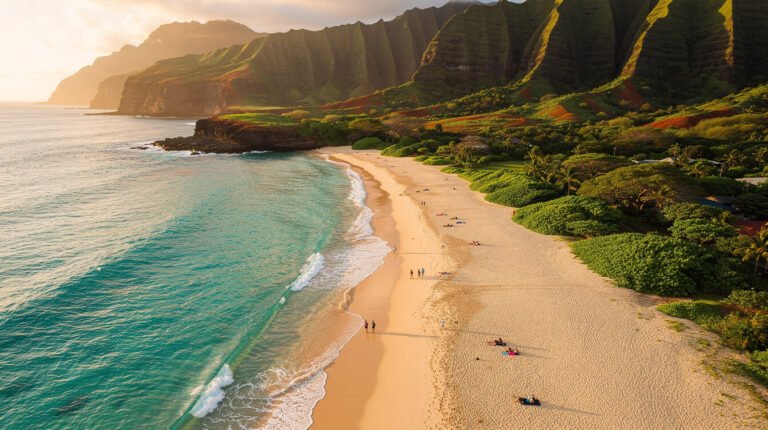
Bellows sits on military land in Waimānalo and is only open to the public on weekends and federal holidays — which is the entire reason its wide, soft-sand stretch stays this empty on the days it is open. Check the current gate schedule before you drive out; showing up on a random Tuesday gets you turned around at the checkpoint, and that access rule is doing all the work of keeping this beach a “secret.” When it’s open, it’s genuinely one of the widest, softest stretches of sand on the windward side, backed by ironwood trees that make for real shade — a trade worth planning your weekend around.
Which one’s actually worth your day
Short on time and want the quick verdict instead of reading all five write-ups? Here’s the honest breakdown by who you actually are that day:
- First-timer who wants the full “secret beach” experience: Mokoliʻi. Nothing else on this list gives you the same sense of having earned the view.
- Bringing small kids or grandparents: Kahana Bay. Shade, calm water, restrooms — the least amount of things that can go wrong.
- North Shore day trip, want a break from Haleʻiwa traffic: Kaiaka Bay. Five minutes from town, a fraction of the people.
- Snorkeling is the whole point: Kahe Point. Skip it entirely on a high-surf day — it’s not worth the rocky entry when the ocean’s up.
- Want the widest, emptiest stretch of sand and don’t mind planning around it: Bellows, on a weekend or federal holiday only.
What to actually bring
None of these five have a concession stand, and three of them don’t have a lifeguard tower. Water, reef-safe sunscreen, and your own shade are non-negotiable — Kahana Bay’s trees and Bellows’ ironwoods are the exceptions, not the rule. Water shoes matter more here than at Waikīkī: Mokoliʻi’s sandbar and Kahe Point’s shoreline are both rock and coral rubble, not soft sand, underfoot. Cash for parking isn’t usually needed at these five, but bring exact change anyway — machines at county lots are inconsistent at best. And pack out your own trash; that’s not a suggestion, it’s the reason some of these stay this quiet.
Access, parking, and leave-no-trace reality
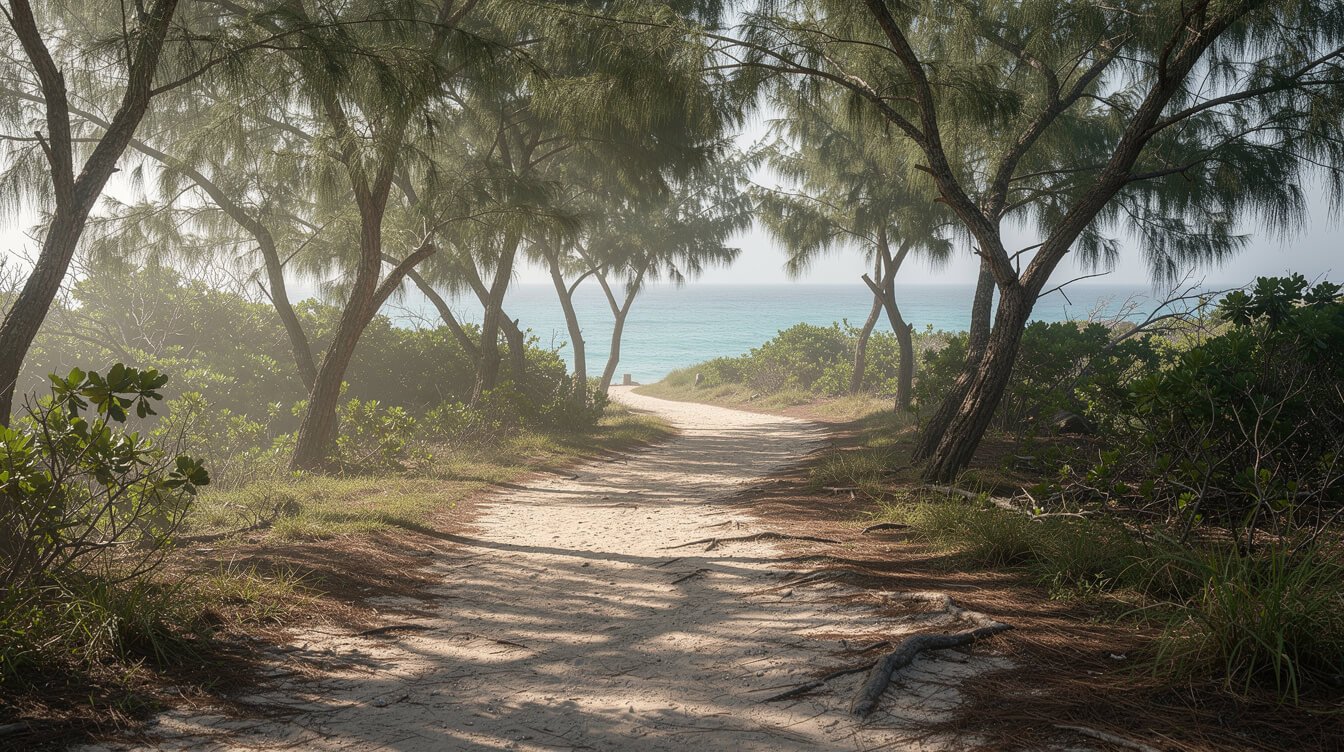
Every beach on this list is reached from a public parking area — none of it requires crossing private property, and Mokoliʻi specifically should only be approached from Kualoa Regional Park’s public shoreline, not through the neighboring ranch. Pack out what you bring in; most of these spots have minimal or no trash service precisely because they’re not built for large crowds. And think twice before dropping a precise geotagged pin on the ones that stay quiet because almost nobody’s posted the exact spot — tag the beach park by name if you want, but let people do the fifteen-minute walk themselves. A quiet beach that gets geotagged down to the rock you’re sitting on doesn’t stay quiet for long.
Parking is the other thing nobody warns you about. Kualoa Regional Park, Kahana Bay, and Kaiaka Bay all have small public lots that fill up by mid-morning on weekends — arrive before 9am or plan on street parking along the highway shoulder, which is legal but tight. Kahe Point’s lot is smaller still, which is part of why it stays uncrowded even when the snorkeling’s good. Bellows requires clearing a manned checkpoint during its open hours, so bring ID and expect a short wait behind other cars on a holiday morning.
Safety notes worth knowing before you go
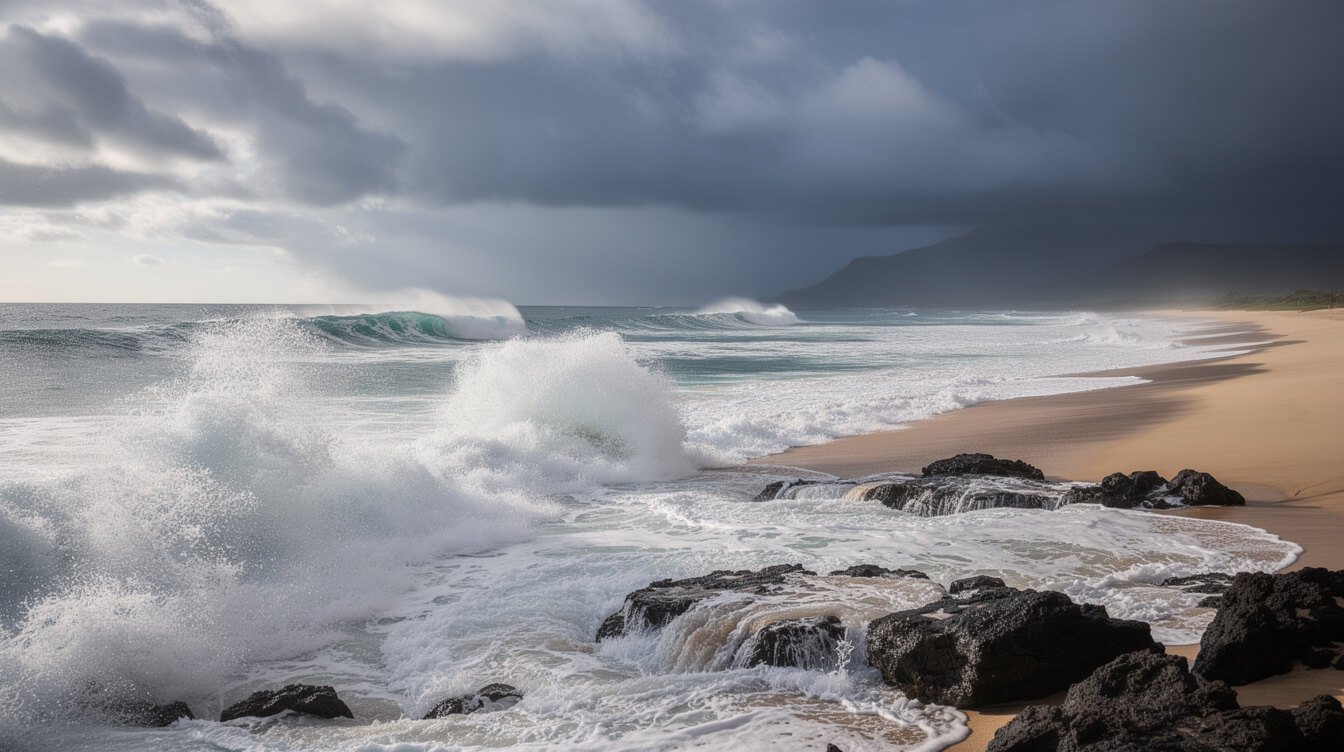
None of these beaches run a full-time lifeguard rotation the way Waikīkī or Ala Moana do, which is part of what keeps them quiet and part of why you need to actually check conditions before you go in. The Mokoliʻi sandbar crossing depends entirely on tide — go at the wrong time and you’re swimming, not wading, against a current that can move faster than it looks. Kahe Point’s outflow current can run strong when the swell’s up, and the rocky entry turns any decent-sized wave into a real hazard. Cell signal is spotty at Kaiaka Bay and thin-to-nothing on the Bellows shoreline past the tree line, so tell someone your plan before you go.
Check the surf and tide report before any of these, and treat honu and monk seals the way the law requires: stay at least 10 feet back from a honu and 50 feet from a monk seal resting on the sand — that’s normal behavior for them, not an emergency for you to fix. Both species are federally protected, and Hawaiʻi takes that seriously. If you’re not a confident ocean swimmer, all five of these beaches are still worth the trip for the walk, the view, and a shoreline picnic — you don’t have to get in the water to justify the drive.
Frequently asked questions about secret beach Oahu spots
Is Kualoa Ranch’s “Secret Island” worth the money?
If you’re already doing a Kualoa Ranch tour for the movie sites or the ATV rides, sure, it’s a nice add-on. Just don’t book it expecting an undiscovered spot — it’s a scheduled tour product, and you’ll have company.
What’s the least crowded beach on Oahu?
Of this list, Bellows Field Beach Park has the most physical space per person on the days it’s open, purely because the military access rule caps how many people can be there at once.
Are these beaches safe for kids?
Kahana Bay and Kaiaka Bay are the calmest, most family-friendly picks here. Save the Mokoliʻi sandbar crossing for kids who are strong, confident swimmers, and only attempt it near dead-low tide.
Do I need a permit for any of these?
No — all five are day-use public parks with no permit required to visit. Bellows just has the weekends-and-holidays access window, which functions like a permit even though it isn’t one.
What’s the best time of year to go?
Summer (May through September) brings the calmest water island-wide, which matters most for Mokoliʻi’s sandbar crossing and Kahe Point’s rocky entry. Winter swell on the North Shore can also affect Kaiaka Bay, so check conditions if you’re going between November and February.
Can I bring a drone to get photos?
Check current park rules before you fly — several county beach parks restrict drone launches, and Kualoa Regional Park specifically has had posted restrictions in the past. When in doubt, ask before you take off rather than finding out after.
Final thoughts
The real secret about “secret beach oahu” isn’t a location — it’s that the quiet spots on this island were never actually hidden, they just require fifteen more minutes of driving and zero dollars more than the ones with a ticket booth. Start with Mokoliʻi if you want the full experience, or Kahana Bay if you just want an easy, calm afternoon with the kids. Either way, you’ll have more sand to yourself than any paid tour can promise.
If you know the sound of the ice cream truck rolling through a beach park parking lot, you already get why we’d rather rank the real spots than sell you a “secret” one. Come check the shop for something that says you actually know this island — and if you’re mapping out more of Oʻahu, we also ranked the best beaches on Oahu overall, the best snorkeling spots, and Kauai’s own hidden beaches the same honest way.