Best Beaches in Hawaii: A Local’s Honest Ranking
Ask five locals for the best beaches in Hawaii and you’ll get five different answers, and none of them will be Waikīkī. Every “best beaches in Hawaii” list on the internet is written by someone who flew in for a week, hit the beaches closest to their resort, and ranked them by the photo. We’re ranking by what actually matters once you’re standing there with your slippahs in your hand — parking that isn’t a two-hour fight, water that’s actually good for your skill level, crowds you can live with, and whether the place still feels like Hawaiʻi or like a postcard rack.
This is the honest version, island by island. Where to actually park, when to actually go, and the etiquette tourist guides skip because it’s not as fun to write about as “crystal clear waters.” If you only read one section, read the one on turtles.
We’re not ranking every beach in the state — that’s a job for a phone book, not a guide. This is the shortlist a kamaʻāina would actually send a friend who’s flying in: enough spread across all four main islands to cover a swim day, a sunset, a family trip, and the one you drive an hour for because it’s worth it.
The best beaches in Hawaii: Oʻahu edition
Oʻahu gets flattened into “Waikīkī” by every tourist brochure, which is a shame, because the island’s best sand isn’t anywhere near a high-rise. Windward, leeward, and North Shore all play a different game, and the honest ranking depends on which game you’re here for.
1. Lanikai Beach
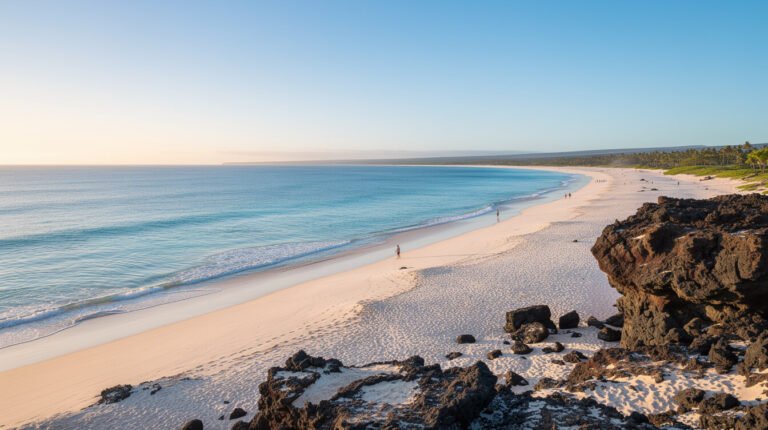
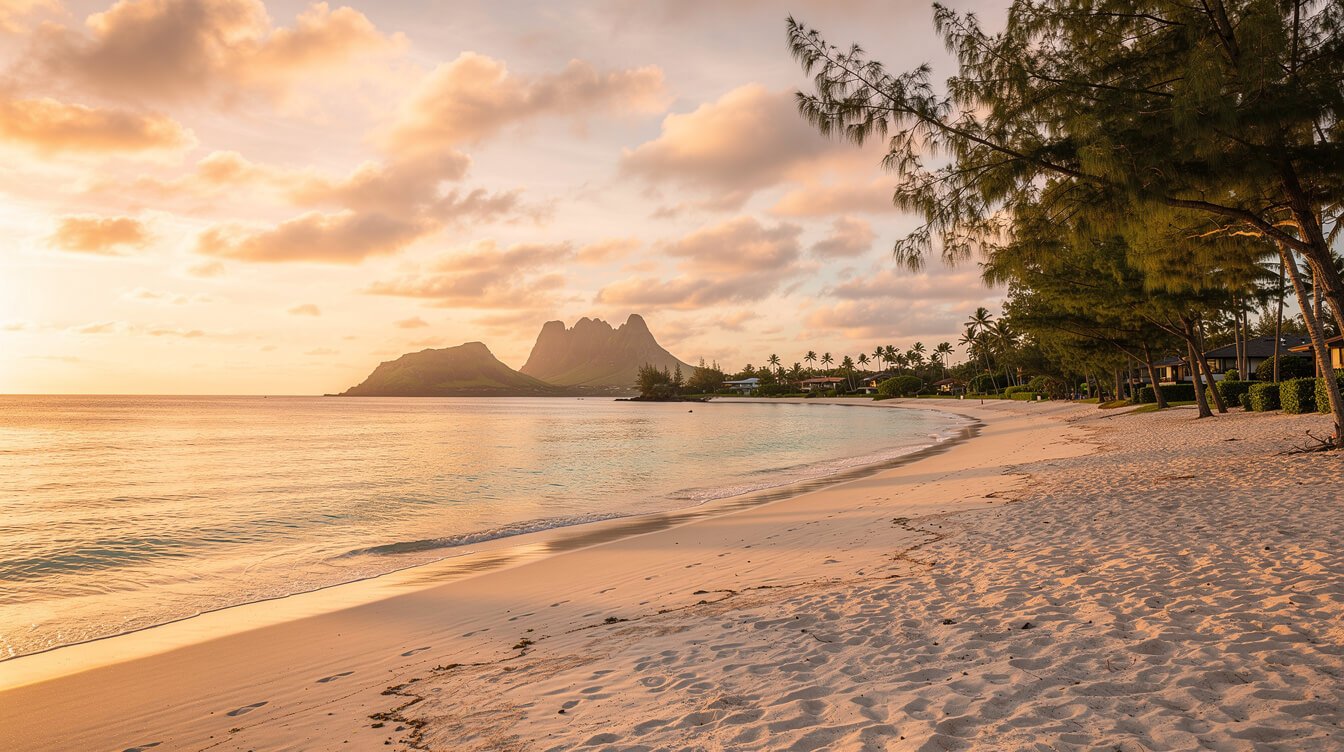
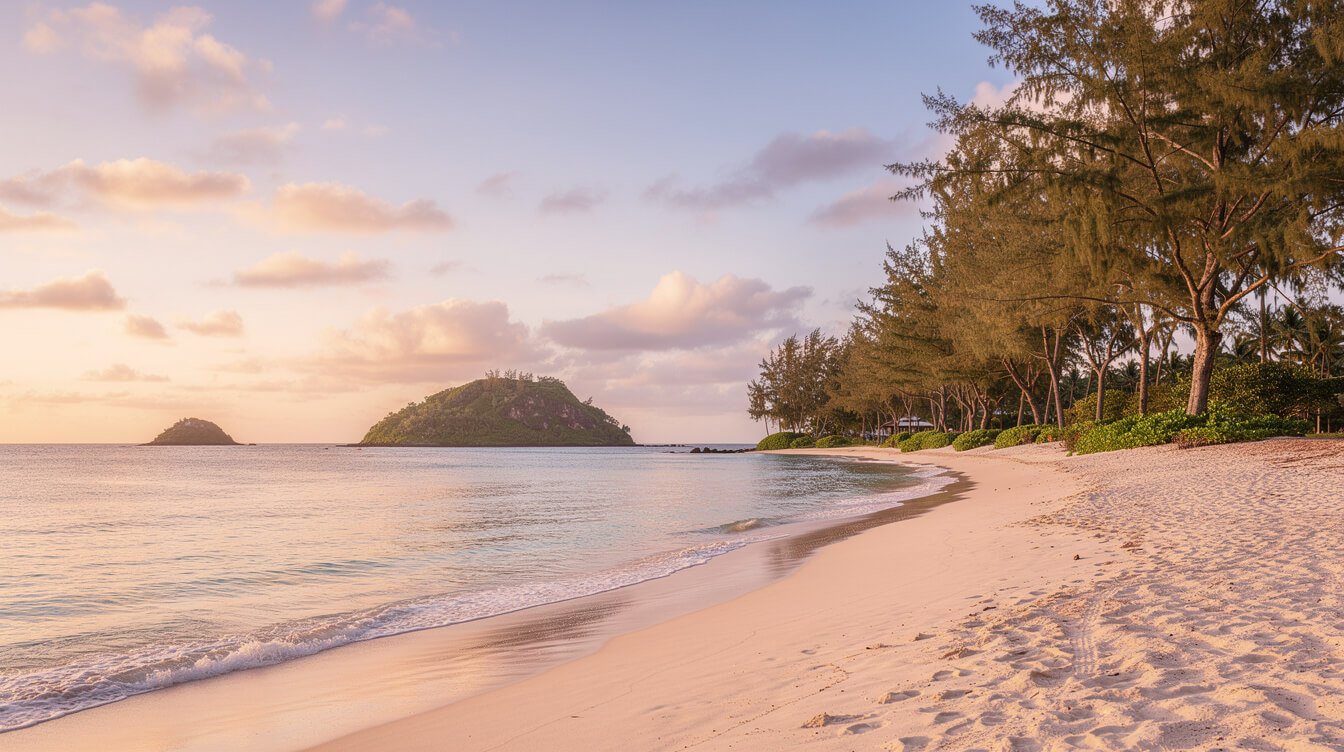
Yes, it’s the postcard. The sand really is that soft, the water really is that shade of turquoise, and the Mokulua islands really do look painted on offshore. The catch: Lanikai is a residential street with zero public parking lot, so you’re circling the neighborhood at 6 a.m. looking for a legal spot, or you’re not getting one. Go at sunrise, park respectfully — read the signs, the neighbors have been towing cars for years and they’re not bluffing — and be out before the tour vans show up around nine.
2. Kailua Beach
The beach locals actually go to when they want the Lanikai water without the Lanikai parking fight. Kailua Beach Park has an actual lot, actual bathrooms, and two miles of sand wide enough that it never feels as packed as it is. Good swimming, good bodyboarding close to shore, and on a windy afternoon you’ll see the kitesurfers working the bay like it’s their office. Rent a kayak here and paddle out to the Mokulua islets if the water’s calm — that’s the Lanikai view without the parking headache.
3. Waimānalo Bay
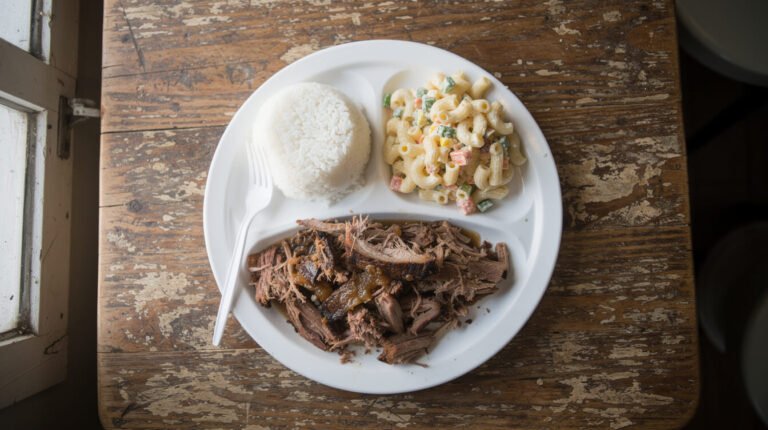
The one tourist lists barely mention, which is exactly why it’s on ours. Longer and emptier than Kailua, backed by the Koʻolau ridgeline instead of houses, and this is where windward-side families actually spend their Sunday — coolers out, kids in the shallows, someone’s uncle running the grill. Current can pick up past the shorebreak, so respect the flags. Pair it with a stop for plate lunch on the way back into town and you’ve got the actual local Sunday, not the brochure version.
4. Kailua’s quieter cousin: Ko Olina Lagoons
Four manmade, reef-sheltered lagoons on the leeward side, built calm on purpose. Not a natural beach, and we’ll say that plainly — but if you’ve got a toddler and zero interest in shorebreak, this is where local parents actually bring the keiki. Skip lagoon one (it’s the resort’s front yard and treated like it); two and four have the most public access and the least attitude. Public parking is limited and fills fast, so treat this like Lanikai — early or not at all.
Between these four, you’ve covered every version of an Oʻahu beach day: the photo, the easy swim, the local Sunday, and the safe bet for little ones. Most first-time visitors only ever see one of them.
The best beaches in Hawaii: Maui edition
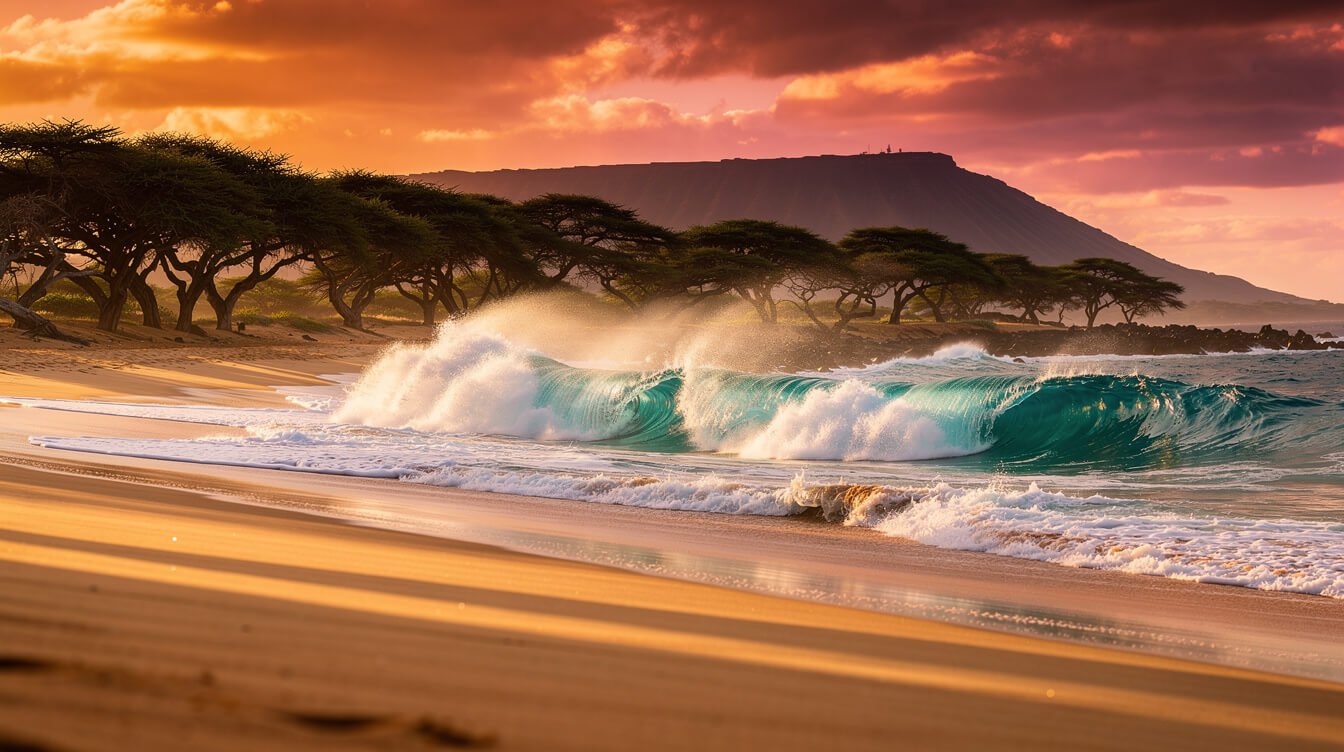
Maui’s beaches split into three camps: the resort-corridor sand everyone photographs, the working-coast spots locals actually use, and the quieter bays in between. All three belong on this list.
1. Mākena (Oneloa / “Big Beach”)
All of Kaʻanapali’s beauty, none of the resort towers. Mākena — most people just call it Big Beach — is wide, wild, and backed by nothing but kiawe trees and the old lava fields of Puʻu Olaʻi. The shorebreak is genuinely powerful, not a “sign says so” kind of powerful, so this isn’t the spot to learn to bodysurf. It is the spot for a sunset that makes you forget you have a flight in the morning. Climb the cinder cone at the north end (locals call it Pu’u Ola’i, or just “the mountain”) for the view down the whole bay.
2. Hoʻokipa Beach Park
Skip the sand time here and come for the show instead. Hoʻokipa is a working windsurf and kitesurf beach on the North Shore — the wind that ruins a regular beach day is the entire point — and by late afternoon the honu haul out on the sand in numbers that make it one of the most reliable turtle-viewing spots on the island, no boat required. Stay back the legal ten feet and let them nap.
3. Napili Bay
The bay tourists overlook because Kaʻanapali has the name recognition. Napili is smaller, crescent-shaped, and reef-protected enough that the water stays calm most of the year — a genuinely good spot to float and watch the sunset without fighting a current. Parking is street-side and limited, so this is a morning or early-evening trip, not a midday one. It’s also one of the few West Maui beaches where you can still find a patch of sand to yourself on a weekday, which on this coastline is worth more than it sounds.
The best beaches in Hawaii: Kauaʻi edition
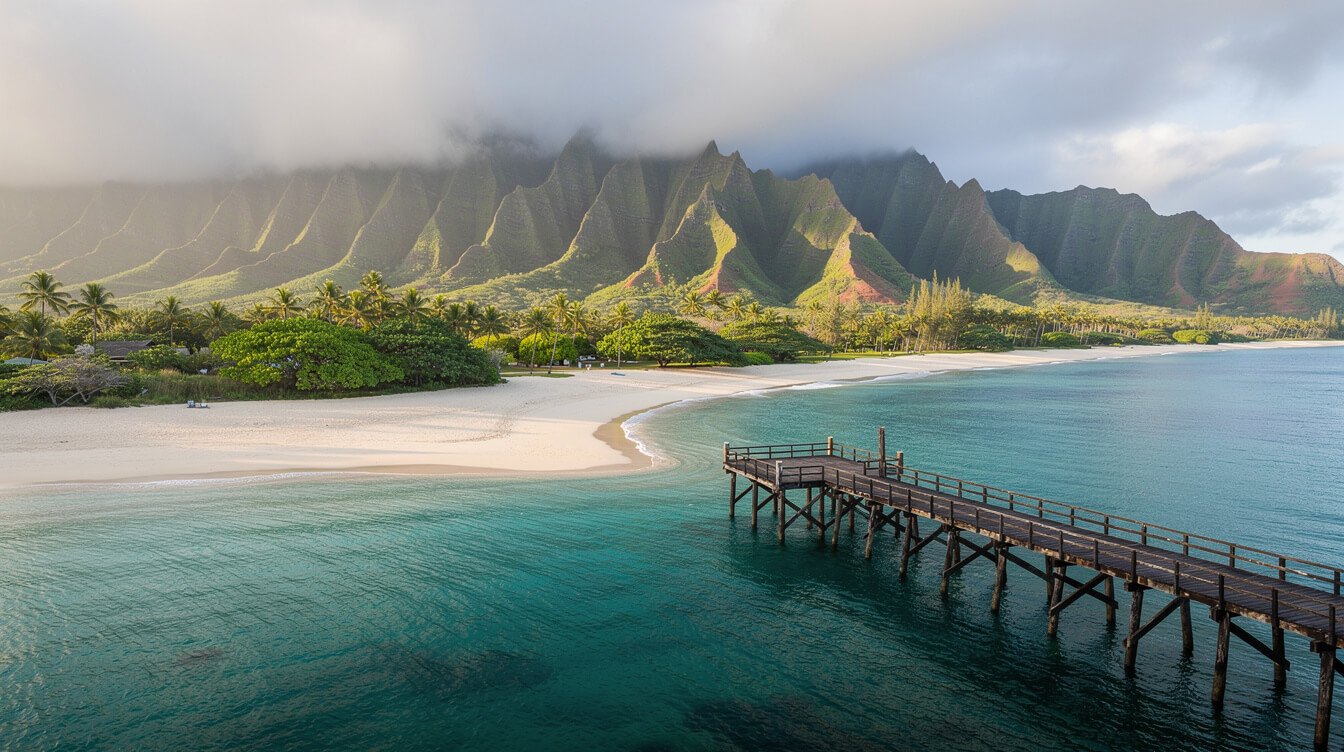
Kauaʻi’s beaches don’t need much marketing — the Nā Pali coastline does the work for them. The honest ranking comes down to which ones are worth the drive, and which ones are safe for what you actually want to do in the water.
1. Hanalei Bay
Two miles of sand curling under mountains that look CGI’d in, plus a real town behind it with real food, not a resort strip. Summer water is calm enough for beginners; winter brings a north swell that turns the same bay into a serious surf break, so check the forecast before you assume it’s the mellow version. Walk the old pier at the east end for the postcard shot without fighting anyone for space.
2. Anini Beach
The one to bring keiki to. Anini sits behind one of the longest fringing reefs on Kauaʻi, which keeps the water inside it flat and shallow almost year-round — the anti-Polihale, in the best way. Locals treat it as the family beach; you’ll see more coolers and pop-up tents than surfboards.
3. Polihale State Park
The end of the road, literally — Polihale sits at the far west edge of Kauaʻi, past a rutted dirt access road that eats sedans for breakfast. No lifeguard, strong currents, and one of the most isolated stretches of sand in the state, which is exactly why locals still make the trip. Go for sunset, bring a truck or a car you don’t love, and treat the ocean here with more respect than you would anywhere else on this list.
The best beaches in Hawaii: Hawaiʻi Island edition
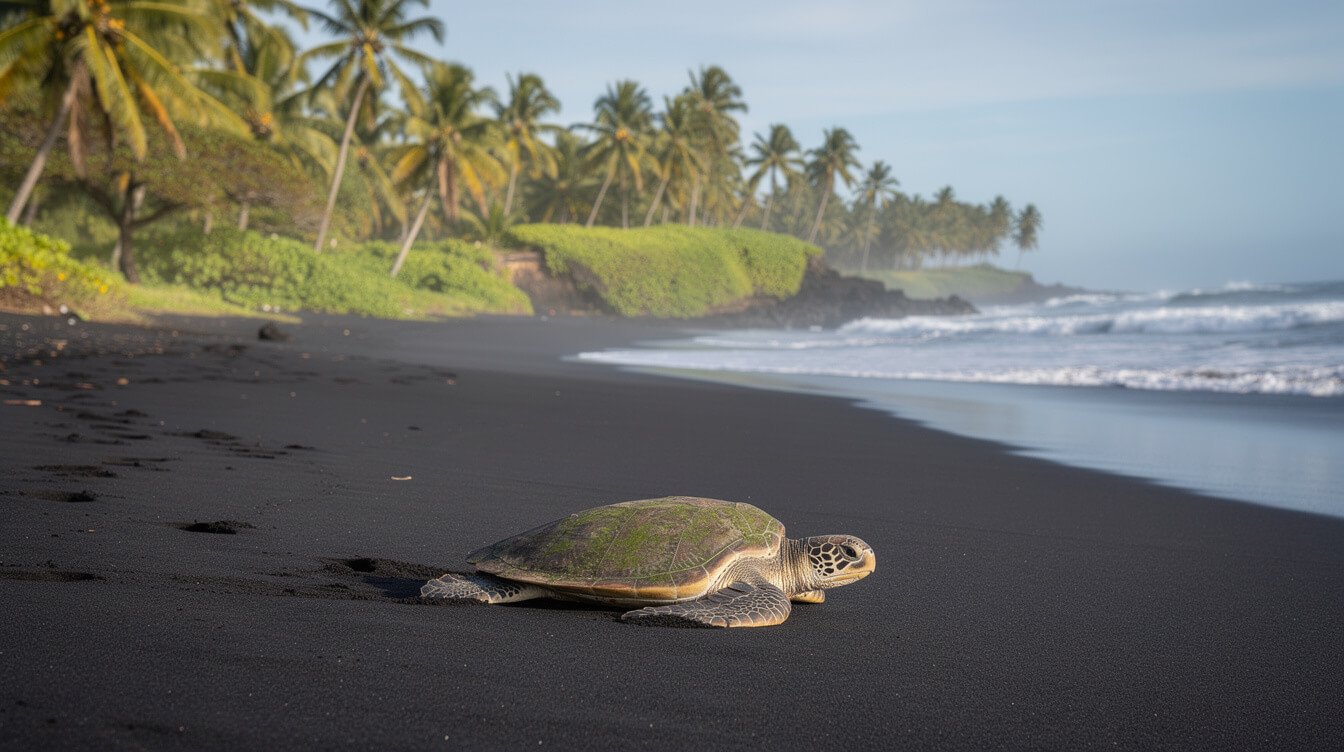
The Big Island’s beaches are the youngest in the chain, geologically speaking, and it shows — this is the only island where you’ll see white, black, and green sand within an hour’s drive of each other.
1. Hapuna Beach
The widest stretch of white sand on the island and still the best all-around swim beach — calm in summer, with enough of a shorebreak in winter to keep bodyboarders happy. Get there before 9 a.m. on weekends; the state park lot fills and then it’s a long walk from the overflow.
2. Punaluʻu Black Sand Beach
Volcanic black sand that’s genuinely striking in person, and one of the most consistent spots in the islands to see honu hauled out to bask. Federal law requires you stay at least ten feet back — no exceptions for a better photo. Swimming here is secondary to the sand and the turtles; the water can be rough and there’s no lifeguard.
3. Papakōlea (Green Sand Beach)
One of only four green sand beaches on Earth, formed from olivine crystals eroding out of an old cinder cone, and it’s a 2.5-mile hike each way across exposed, windy terrain to get there — or a rougher-than-it-looks truck ride from a local for a fee. Go early, bring water, and don’t expect shade. It’s not a casual beach day, and that’s the appeal.
If you’re building out a Hawaiʻi Island trip and want the water-clarity version of this ranking for Maui, that guide covers reef health and honu odds the same honest way we’re covering sand here.
What the tourist guides get wrong
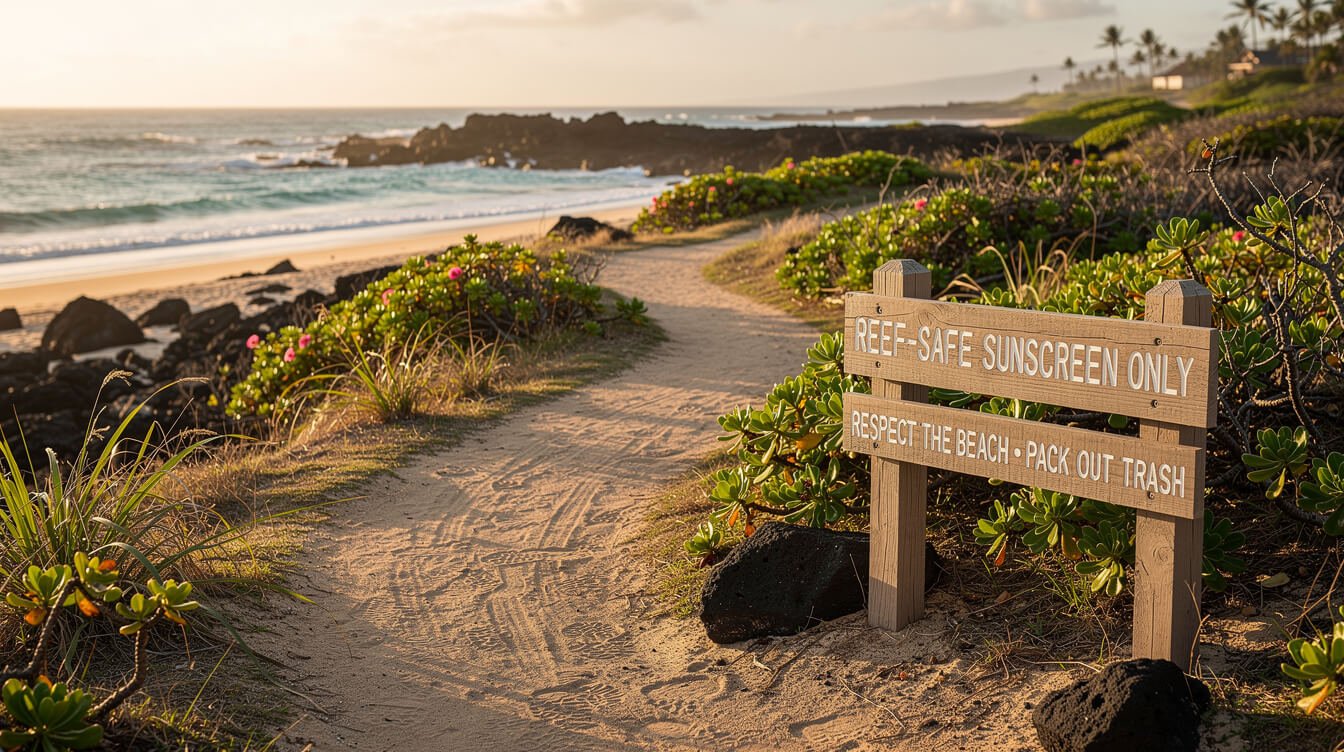
Most “best beaches in Hawaii” content is written to the postcard, not the person standing on the sand. It’s the difference between a list built from a rental car and a list built from actually living here — the practical stuff below is what separates a good beach day from a wasted morning circling for parking or getting turned around at a gate you didn’t know existed.
A few things every one of those lists either skips or gets backwards:
- Parking is the actual gatekeeper. Half the beaches on every tourist list have functionally zero public parking. Lanikai is the classic example — gorgeous in every photo, and photographers never mention the 6 a.m. alarm required to actually park near it.
- Hanauma Bay isn’t a drop-in anymore. It’s a nature preserve now, closed Mondays and Tuesdays for reef recovery, and requires a timed reservation you book online in advance. Show up without one and you’re turned around at the gate.
- Honu don’t need your help. A turtle resting on the sand is normal behavior, not a stranding. Federal law says ten feet minimum, no touching, no herding it back to the water “to be nice.” Leave it alone.
- Black and green sand beaches are not swim beaches first. Punaluʻu and Papakōlea get photographed like Waikīkī, but the water at both is secondary to the sand itself — often rougher, often lifeguard-free. Go for the sand and the story, respect the ocean like it’s a different animal there.
- “Calm” is a season, not a guarantee. Hanalei Bay and Waikīkī both flip from beginner-friendly to serious surf depending on the swell direction and time of year. Check HIOceanSafety.com before you assume yesterday’s conditions are today’s.
- Leave the sand and rocks where you found them. It’s illegal to remove sand, coral, or rocks from state beaches and parks — take the photo, leave the rock.
- Reef-safe sunscreen isn’t a suggestion. Hawaiʻi law bans the sale of sunscreens containing oxybenzone and octinoxate because of coral damage. Bring mineral sunscreen from home or grab reef-safe on arrival — most beach-town shops stock it now.
Frequently asked questions
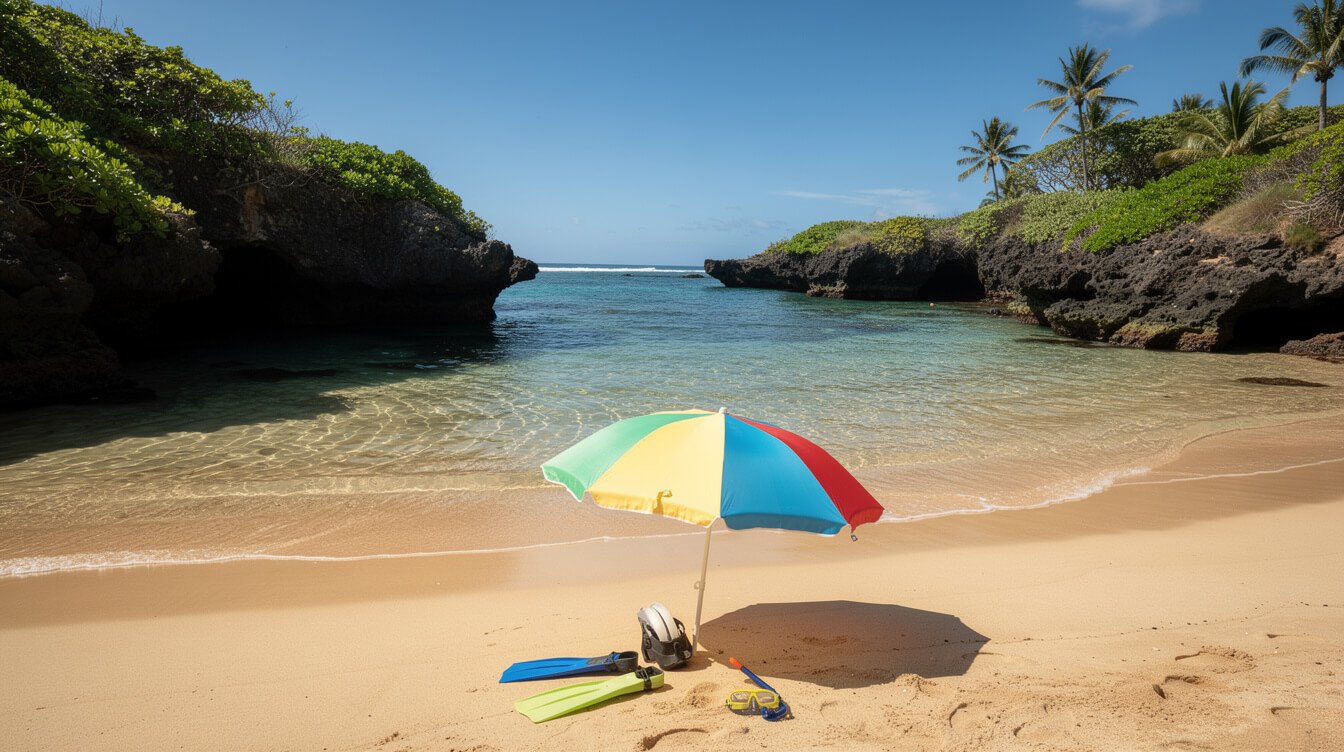
What is the single best beach in Hawaii?
There isn’t one — it depends what you’re ranking for. For the classic postcard swim, Lanikai. For the easiest actual day at the beach, Kailua. For a sunset you won’t forget, Mākena. Anyone who gives you one universal answer hasn’t been to enough of them.
Which island has the best beaches overall?
Oʻahu has the most variety in the smallest driving radius. Kauaʻi has the most dramatic scenery. The Big Island has the most geological range — white, black, and green sand within an hour of each other. Maui splits the difference. Pick based on what you want the beach to do for you, not which island “wins.”
Is it safe to swim at Hawaii’s beaches?
Most days, at most beaches, yes — but Hawaiʻi’s ocean is not a hotel pool. Rip currents, shorebreak, and seasonal swells cause real injuries every year, mostly to visitors who didn’t check conditions. Look for lifeguards, read the posted flags, and when in doubt, ask a local rather than guess.
What’s the best beach for families with young keiki?
Anini on Kauaʻi and Ko Olina on Oʻahu both sit behind reef or a manmade barrier that keeps the water calm and shallow — the two easiest beach days on this whole list if you’ve got little ones in tow.
Do I need a reservation for Hanauma Bay?
Yes. Book your timed entry online in advance — it sells out, especially in summer — and note the bay is closed Mondays and Tuesdays for reef rest.
What’s the etiquette around sea turtles on the beach?
Stay at least ten feet back, no photos with your foot in frame for scale, no touching, and definitely don’t wake one up for content. It’s the law and it’s just decent manners toward an animal that was here before any of us.
What’s the best time of year to hit the beaches?
Summer (May through September) gives the calmest water almost everywhere, which is why it’s the safest bet if swimming is the whole point of the trip. Winter swings the North Shores of Oʻahu and Kauaʻi toward serious surf and stunning-but-rougher water, while the leeward and south-facing beaches — Kailua, Mākena, Hapuna — stay relatively mellow year-round. Shoulder months like April and October split the difference: smaller crowds, still-decent water.
Final thoughts: pick the beach for the day you want
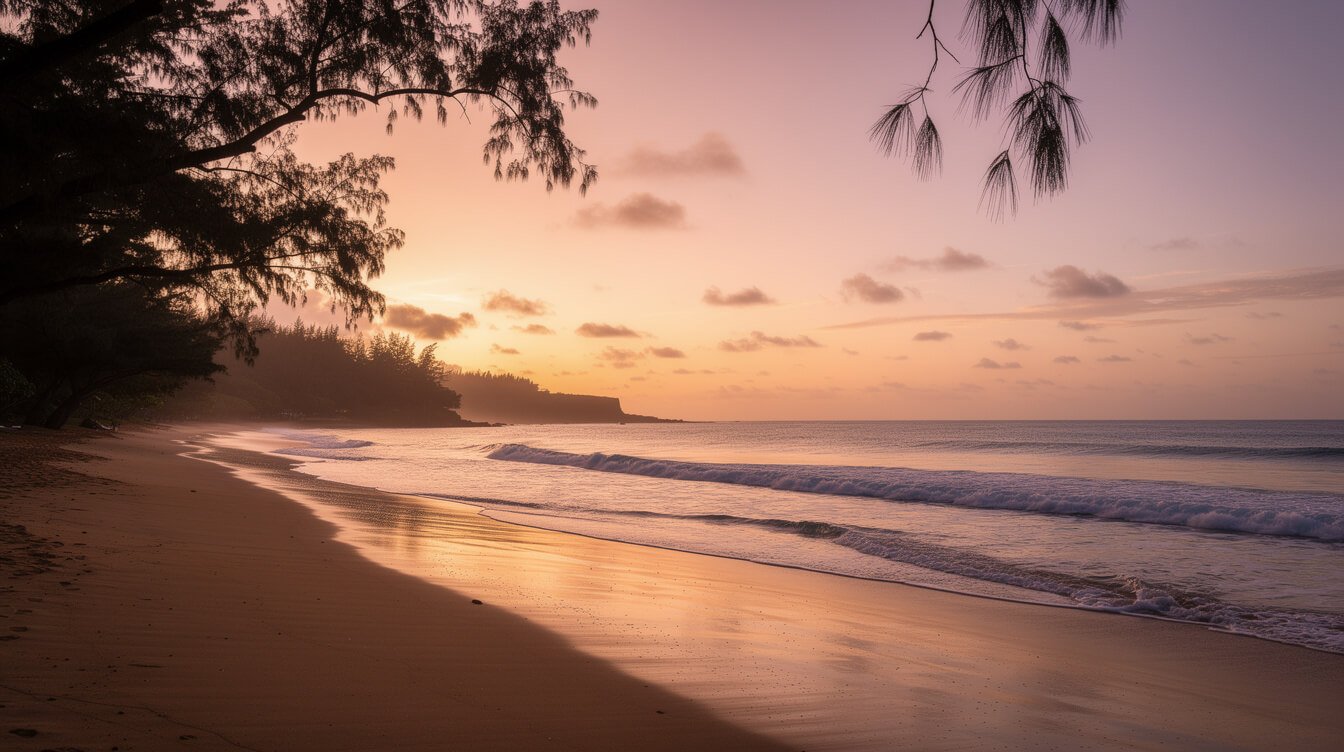
The best beaches in Hawaii aren’t a ranked top ten so much as a ranked top ten for something specific — the easiest swim, the best sunset, the least crowded stretch, the one with the turtles. Start with whichever one matches the day you’re actually trying to have, park early, respect the honu, and check the ocean conditions before you trust yesterday’s Instagram post. That’s the whole list.
None of this is secret information — locals just don’t usually bother writing it down, because everyone already knows to skip Lanikai after 9 a.m. or to check the buoy report before Hanalei in the winter. Consider this the version that got written down for once.
Want a shirt that shows you know the difference between Waimānalo and Waikīkī? The shop is right here — same honest, no-tiki-font standard as this list. And if you’re still building out the trip, our guide to spotting a real Hawaii shirt covers the merch side of things.