Best Restaurants in Honolulu: Where Locals Actually Eat (Ranked)
Ask ten people online for the best restaurants in Honolulu and you’ll get the same answer ten times: a Waikīkī steakhouse, a hotel omakase counter, and whatever spot went viral last week. All fine. None of it is where we actually eat. This is the local ranking — the best restaurants in Honolulu from a kamaʻāina point of view, built on the plate lunches, saimin counters, and neighborhood spots you drive to on a Tuesday because you’re hungry and you know better. No footnotes. If you know, you know.
We ranked these the way you’d actually decide where to take somebody: taste first, honesty about value, and whether a local would send their own ʻohana there. Not stars. Not sponsored. Just the real ones — and a straight answer on why number one beats number two.
How a local ranks the best restaurants in Honolulu (not by Yelp stars)
Here’s the honest criteria, because it’s not the same list a travel site uses. A local ranks food by a handful of things a rating average will never catch.
Consistency over hype. The spot that has tasted exactly the same for twenty years beats the new place that’s amazing one week and forgettable the next. We rank the sure thing.
Value that respects you. A perfect plate lunch for twelve bucks that fills you for the whole afternoon outranks a small plate that costs four times as much and leaves you hungry. Value isn’t cheap — it’s fair.
Would I bring my ʻohana here? The real test. Not “would this impress a tourist,” but would I take my auntie, my kids, my friend flying home from the mainland who’s been dreaming about this exact food for a year. That’s the bar.
No cultural cosplay. We rank down anywhere that dresses up island food as a costume — the fake-luau energy, the tiki-font menu, the “exotic” framing. Real over touristy, every time. The best food in this town has zero interest in performing for anybody.
Run a place through those four and the ranking almost writes itself. Notice what’s missing: ambiance scores, celebrity chefs, and whether it’s Instagrammable. Nobody local has ever picked dinner that way.
The best restaurants in Honolulu we’d take you to first (and why #1 beats #2)
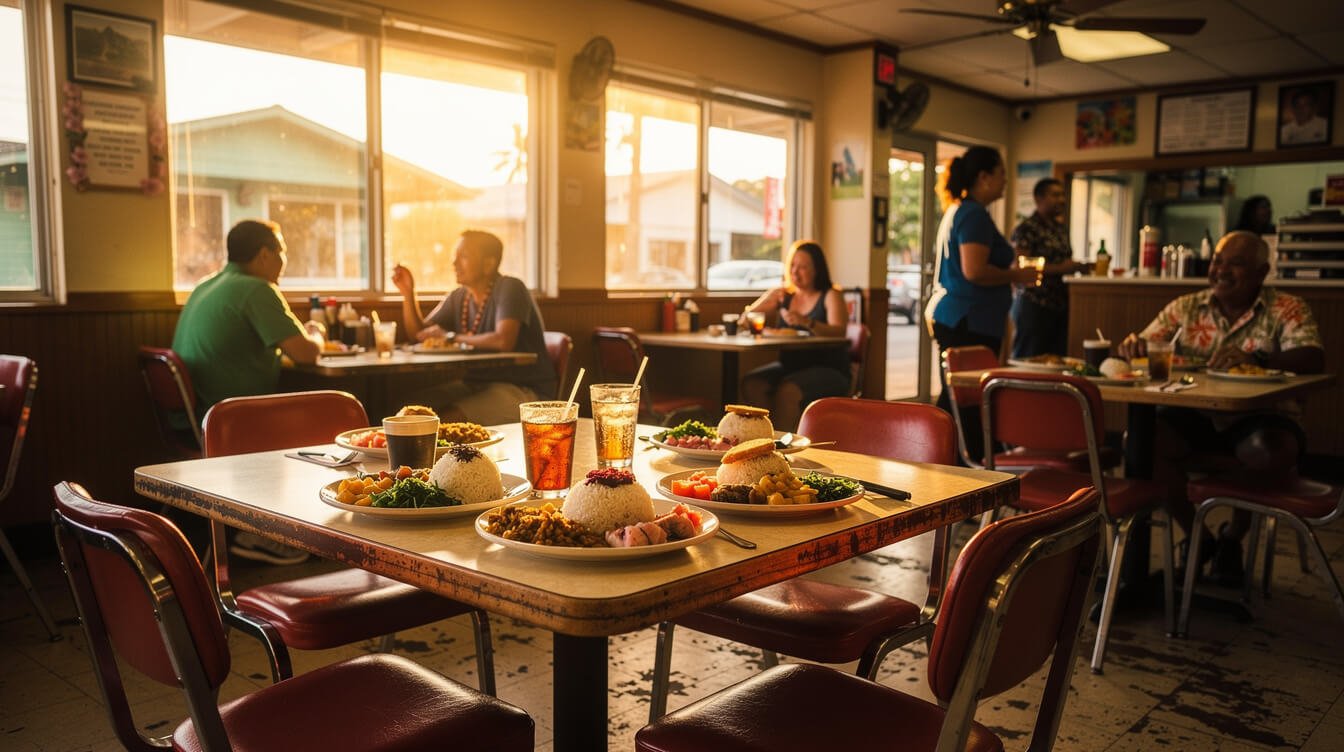
If you flew in tonight and said “take me where you actually go,” this is the short list — ranked, with the honest reasoning for the order.
#1 — Helena’s Hawaiian Food (Kalihi). Hawaiian food done the way it should be, in the same little Kalihi spot for generations. The pipikaula short ribs, the kālua pig, the squid lūʻau, the pipikaula hanging to dry in the back — this is the real thing, cooked with respect and served without a single gimmick. It’s number one because it never wavers and it never performs. You leave feeling like you were fed by family.
#2 — Highway Inn (Kakaʻako / Waipahu). Also serious, generations-deep Hawaiian food — kālua, laulau, poi, pipikaula. So why second? Highway Inn is a little more polished and a little easier for a first-timer, which is a strength, not a knock. Helena’s edges it only because Helena’s feels like stepping into someone’s home kitchen, and that raw, unpolished honesty is the whole point of this ranking. Both are excellent. If Helena’s line is long, you go here and you’re happy.
#3 — The Pig and the Lady (Chinatown). Modern Vietnamese out of a local family, and proof that “new and inventive” can still be deeply of this place. The phở, the banh mi at lunch, the way it pulls island ingredients into a family’s Vietnamese cooking — it earns its spot. It’s third only because one and two are carrying Hawaiian food itself; this is the best of the new guard, and it’s not close.
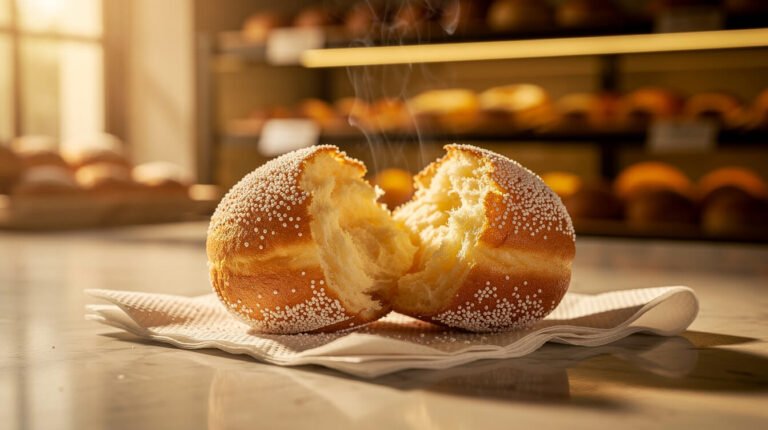
Right behind them, a few more we’d send anybody to without hesitation. Side Street Inn (Kapiʻolani) is where local chefs go to eat after their own kitchens close — the fried pork chops and kim chee fried rice are legend, and it’s built for a big group talking story over pūpū. Nico’s at Pier 38 puts real technique on fresh-off-the-boat fish at plate-lunch prices, right by the auction where the fish actually lands. And Liliha Bakery is a proper old-school diner — the coco puffs get the headlines, but the griddle plates and the counter service are the real reason locals have kept the stools warm for decades.
Notice all three of the top spots sit outside the resort strip. That’s not an accident. The best restaurants in Honolulu almost never share a zip code with the hotels — the rent’s too high, the pace is wrong, and the crowd isn’t the one these kitchens are cooking for.
Best plate lunch and local grindz in town
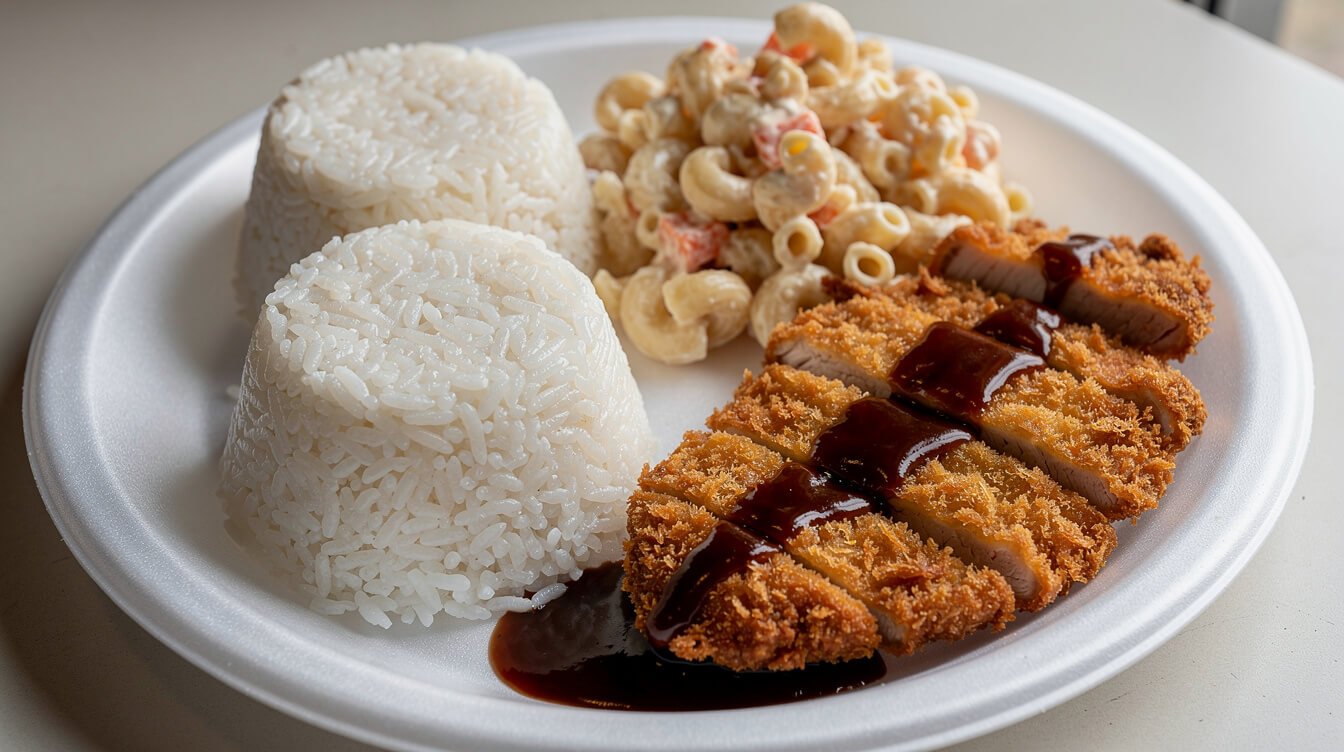
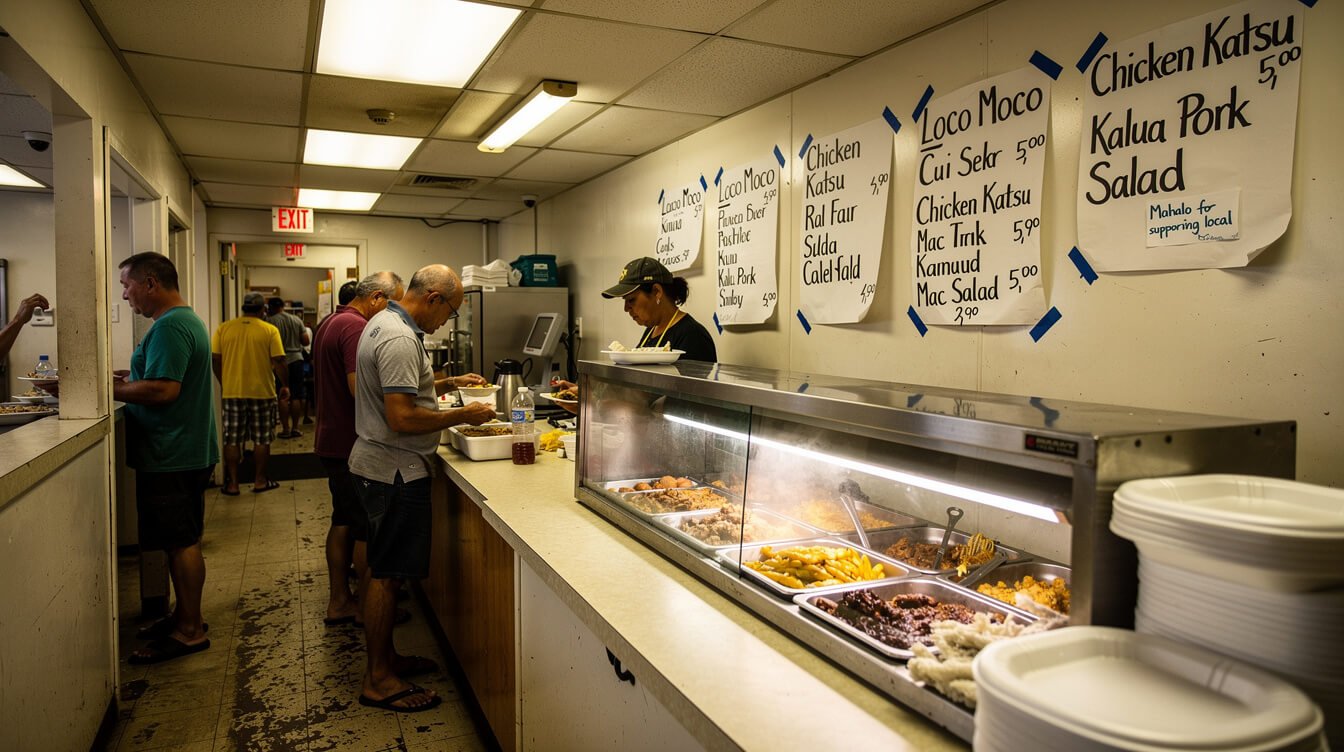
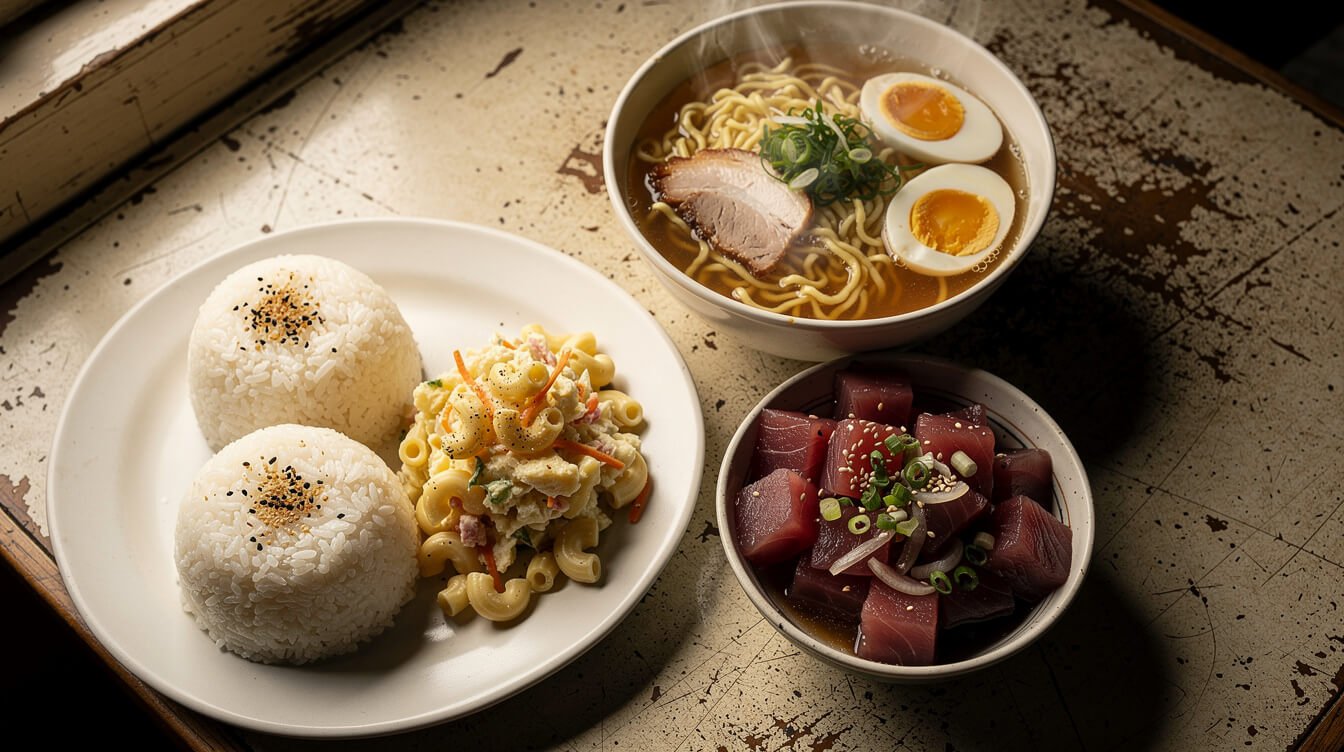
Plate lunch is the heartbeat of how Honolulu eats: two scoop rice, one scoop mac salad, and a protein that came out of a hot kitchen, all on one plate for one fair price. This is the food that raised us. Here’s where it’s done right.
- Rainbow Drive-In (Kapahulu). The icon. Loco moco, the mix plate, gravy on everything you want gravy on. Been feeding locals since 1961 and it hasn’t lost a step. If you eat one plate lunch in this town, it’s here.
- Mitsu-Ken (Kalihi). Garlic chicken that people drive across the island for and line up before dawn to get. Sweet, garlicky, glazed — a small plate for cheap and worth every minute of the wait. Cash, early, gone by lunch.
- Zippy’s (everywhere). Yes, the local chain. Don’t let anybody talk you out of it. The chili, the saimin, the Zip Pac, the fried chicken — it’s the reliable 2 a.m., after-the-game, “no can decide” answer, and every local has an order they’d defend to the death.
- Fukuya Delicatessen (Mōʻiliʻili). Old-school okazuya — the grab-and-go counter of local Japanese small plates: nishime, cone sushi, fried chicken, mochi. This is how tūtū packed a lunch. Get there early or the good stuff is pau.
A quick word on the mac salad, because tourists always ask. It’s not supposed to be fancy — soft elbow macaroni, mayo, a little grated carrot, maybe potato in the mix. That’s it. It’s there to soak up gravy and round out the plate, and anybody who tries to gourmet it up has missed the point entirely. Same with the two scoop rice: white, sticky, generous, non-negotiable. The plate lunch is a whole philosophy of eating — enough food, fair price, no fuss — and once it clicks, half the “upscale island dining” out there starts to feel like it’s charging you extra to give you less.
The through-line: none of these are trying to be fancy. Plate lunch is generous, unpretentious, and honest — the exact opposite of the tasting-menu treatment, and a lot of us would take it over one any day of the week.
Beyond Waikīkī: the neighborhood spots tourists never find
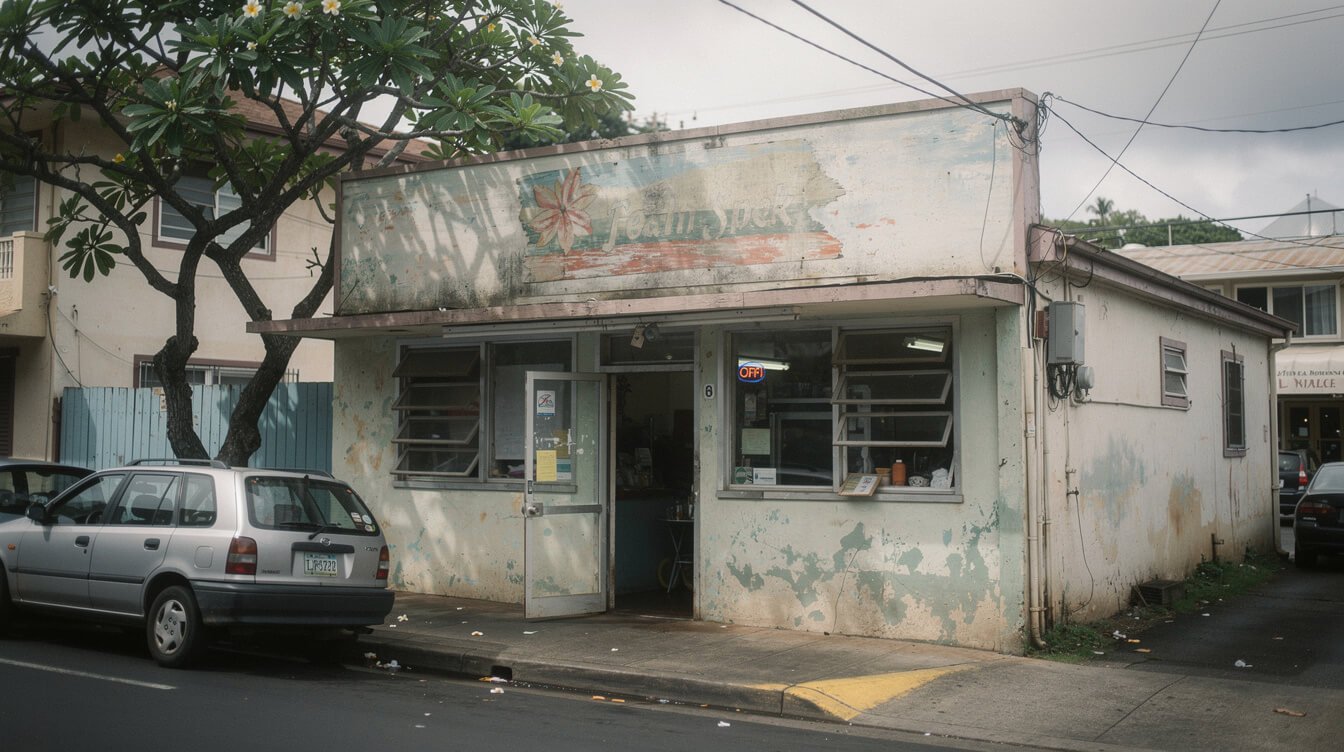
Waikīkī is a fraction of this city, and honestly the least interesting fraction for food. The good stuff is in the neighborhoods — Kaimukī, Kalihi, Chinatown, Mōʻiliʻili, Kakaʻako — where rent is lower, the regulars are locals, and the cooking doesn’t have to impress anybody but the auntie at table three.
Kaimukī is the town’s quiet food heart. Koko Head Café does island-style brunch that’s genuinely inventive without being precious. Mud Hen Water cooks modern Hawaiian with real intention. Up and down Waiʻalae Avenue you’ll find more good, unshowy food per block than anywhere near a hotel.
Chinatown rewards wandering. Maguro Brothers for some of the best poke and sashimi in town out of a tiny stall, The Pig and the Lady for the sit-down meal, and a dozen noodle and dim sum spots that have been there longer than any of us.
Kalihi and Mōʻiliʻili are where the plate lunch and okazuya live — Helena’s, Mitsu-Ken, Fukuya — the everyday spots that never make a tourist list because they were never trying to.
None of these need a footnote. They just need you to show up hungry, order what the person in front of you ordered, and pay attention. That’s the whole move.
And if a plate of garlic chicken in Kalihi feels more like home to you than any resort buffet ever did — that’s exactly who we make our designs for. We put the real island on a good blank, so you can rep the food and the neighborhoods that raised you. Have a look through the shop when you’re done eating.
Where the tourists get sent vs where we actually go
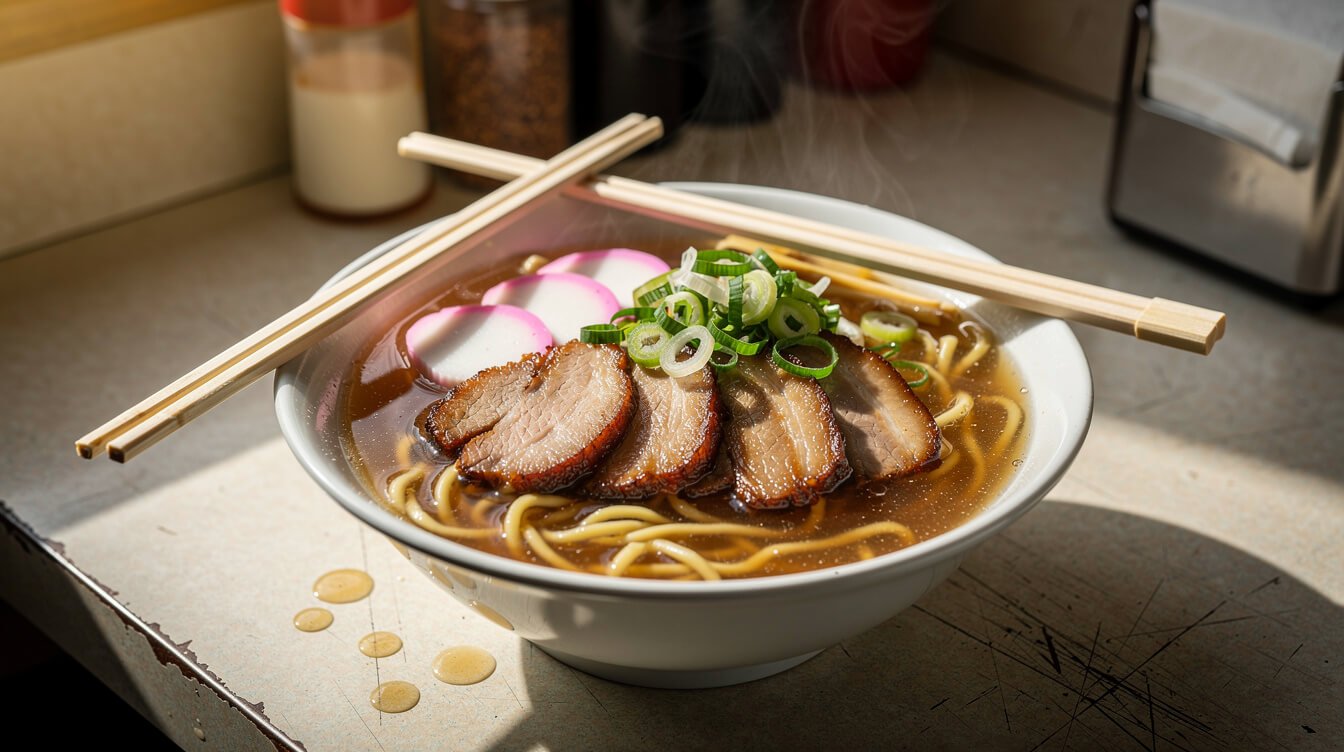
No shade to anybody visiting — but there’s a real gap between where the guides point you and where a local turns the car. Here’s the honest swap.
- Instead of a Waikīkī chain-brand “Hawaiian” restaurant → go to Helena’s or Highway Inn for the actual thing.
- Instead of a resort loco moco for twenty-something dollars → Rainbow Drive-In, where it’s a fraction of the price and better.
- Instead of a hotel “island poke bowl” → Maguro Brothers, Ono Seafood, or Alicia’s Market, where poke is a local staple, not a trend.
- Instead of a fusion small-plate spot chasing a look → a bowl of saimin at an old counter, which is the original island fusion and costs about the size of a tip at the other place.
It’s not that the tourist spots are all bad — some are genuinely good, and a Waikīkī splurge has its place. It’s that they’re the obvious answer, priced for people on vacation, and they rarely tell you anything true about how this city actually eats. The gap isn’t quality for quality; it’s that a hotel version of island food is a performance, and the neighborhood version is just dinner. One is dressed up for a photo. The other is what somebody’s grandma actually cooks.
The pattern is simple. Tourists get sent toward the version of Hawaiʻi that photographs well. Locals go toward the version that tastes like home and treats you fair. Follow the second one and you’ll eat better, cheaper, and a whole lot more honestly.
Why Honolulu eats the way it does (the plantation-era mix, done right)
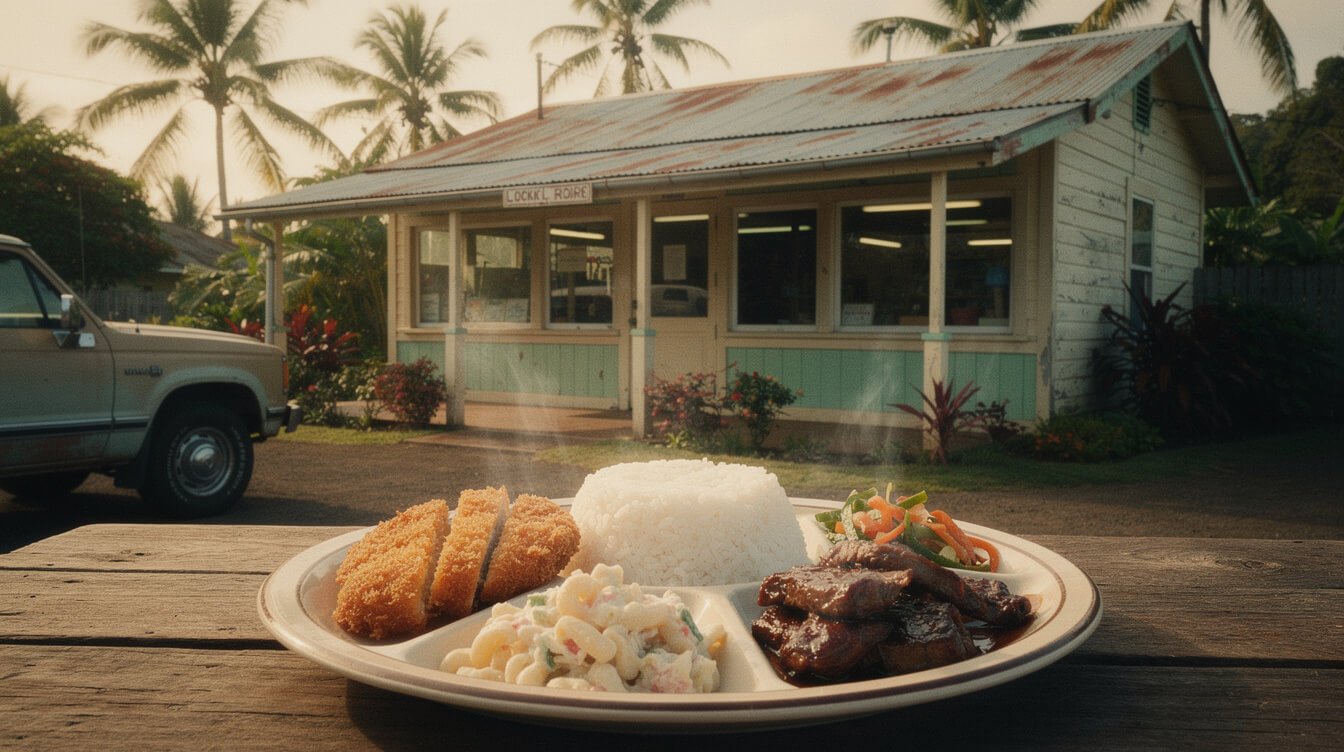
You can’t understand Honolulu food without understanding where it comes from, and it deserves to be told straight. The foundation is Native Hawaiian — kālua, poi, laulau, the food of these islands and the Kānaka Maoli who have cooked it here since long before anyone else arrived. That comes first, and it’s carried with respect.
On top of that foundation came the plantation era. Through the late 1800s and early 1900s, sugar and pineapple plantations brought workers from Japan, China, the Philippines, Portugal, Korea, and Puerto Rico. Out in the camps, everyone shared from the same lunch tin — a little rice from one family, some kimchi from another, Portuguese sausage, Chinese char siu, Japanese teriyaki, Filipino adobo. Nobody planned “fusion.” People were just hungry and generous, and generations later that shared tin became plate lunch, saimin, the okazuya counter, and the whole mixed-plate way this city eats.
That’s why the best restaurants in Honolulu don’t fit into one national cuisine. Saimin is Japanese and Chinese and Filipino all at once, born right here and nowhere else. A plate lunch can carry Korean kalbi next to mac salad next to two scoop rice without blinking. It’s not a marketing idea. It’s the honest record of who came here, who worked hard, and who fed each other — the Native Hawaiian ground it all grew from, and the immigrant families who added to it. Eat it with a little respect for that story and it tastes even better.
Know before you go: parking, cash-only, and the no-reservations reality
A few honest heads-ups so you eat smooth and don’t get caught out. The best local spots run on their own rules, and that’s part of the charm.
- Cash is king. Plenty of the old-school okazuya, plate lunch, and Hawaiian food spots are cash-only or cash-preferred. Hit the ATM before you go so you’re not the one holding up the line.
- Go early, or go hungry. A lot of these places cook a set amount and close when it’s pau. Garlic chicken, okazuya, popular plate lunch — the good stuff sells out by early afternoon. Lunch means lunch, not 3 p.m.
- Reservations aren’t really a thing. Most local spots are walk-up or walk-in. There’ll be a line at the icons. The line is a good sign — get in it and talk story.
- Parking is tight. Kalihi, Chinatown, and Kaimukī parking can be a hunt. Give yourself a few extra minutes, be patient, and don’t block anybody’s driveway.
- Hours change. Small family spots adjust hours, close for vacations, and sometimes shut on the days you’d least expect. A quick check before you drive across town saves you a sad U-turn.
None of this is a hassle once you know it. It’s just island style — the food gets there when it gets there, and it’s worth the wait.
Quick questions locals get asked
What is the one restaurant in Honolulu a first-timer should try? If you eat one meal, make it Hawaiian food at Helena’s in Kalihi — the pipikaula and kālua pig are the real foundation of island eating. If the line’s too long, Highway Inn will treat you right.
What is a plate lunch, exactly? Two scoops of white rice, a scoop of macaroni salad, and a hot protein — teriyaki, katsu, kalbi, whatever — all on one plate for one fair price. It’s the everyday working meal of Hawaiʻi, born in the plantation camps.
Where do locals eat that tourists miss? The neighborhoods — Kalihi, Kaimukī, Chinatown, and Mōʻiliʻili — where the plate lunch counters, okazuya, and family kitchens are. Skip the resort strip and drive a few minutes inland.
Rep the food that raised you. If plate lunch, saimin, and a Kalihi hole-in-the-wall feel more like home than any resort ever could, that’s the whole reason we exist. We make Hawaiʻi designs a local would actually wear — real island, done right, never touristy. Browse the shop, or if you’re still deciding what’s real and what’s tourist junk, read our take on Hawaii T-shirts a local would actually wear.
Final thoughts: eat like you belong here
The best restaurants in Honolulu were never a secret — they’re just quiet, unglamorous, and pointed at feeding locals instead of impressing anybody. Start with Helena’s, keep a plate lunch spot in your back pocket, wander Kaimukī and Chinatown when you’ve got time, and remember the story in every bite: Native Hawaiian roots and plantation-era ʻohana, all on one plate. Do that and you’re not eating like a tourist anymore. You’re eating like you belong here — because good food, shared honestly, is aloha you can taste.
Get the real island guides
One good island thing at a time — honest local food, beaches, and hikes, straight to your inbox. No tourist cheese. Come, stay a while.